
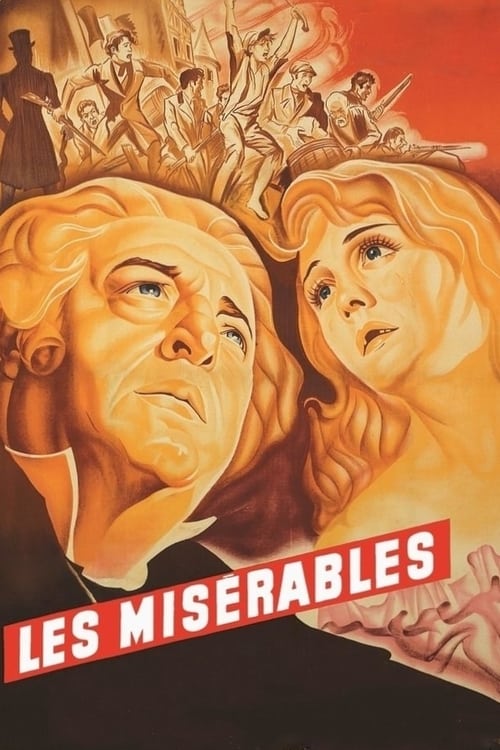
Les Misérables
1935
No user ratings available yet
Representation score: 4.0 out of 10
Representation Score
Limited
1934
Director
Raymond Bernard
Runtime
281 minutes
Average Rating
No ratings yetNew Showbiz Analysis
Raymond Bernard’s 1934 adaptation is a historically accurate drama that emphasizes thematic depth over modern diversity. The film critiques institutional authority and highlights the plight of underrepresented individuals against a strict legal system. Despite this, the production remains rooted in the social hierarchies of its time. The cast is predominantly French, and the narrative is driven by male characters, marginalizing female and minority perspectives. The film's progressive value lies in its critique of state-sanctioned capitalism and law, though it falls short in representing contemporary gender and racial diversity.
Category Breakdown
The film centers on traditional family structures and social bonds, excluding queer identities and non-traditional gender roles.
Male characters dominate the story, reinforcing traditional gender roles. Female characters like Fantine react to male-driven events, lacking proactive influence.
The cast is uniformly French, depicting a localized social hierarchy without diverse ethnic viewpoints.
The film critically examines Western institutions and state authority, highlighting the working class's struggle against oppressive laws.
Suffering is shown through economic hardship rather than specific disabilities. There is no emphasis on neurodiversity or physical impairments.
Present on Screen
Limited or Absent
Official Synopsis
In 19th century France, Jean Valjean, a man imprisoned for stealing bread, must flee a relentless policeman named Javert. The pursuit consumes both men's lives, and soon Valjean finds himself in the midst of the student revolutions in France.
1935
1971
1982
1928
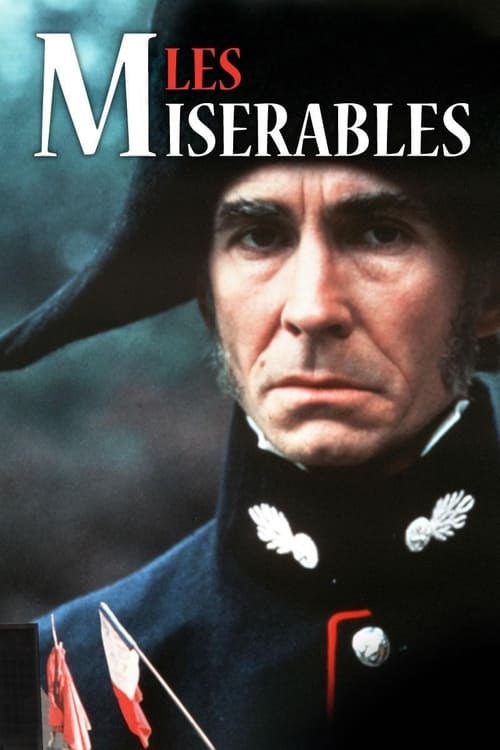
1978
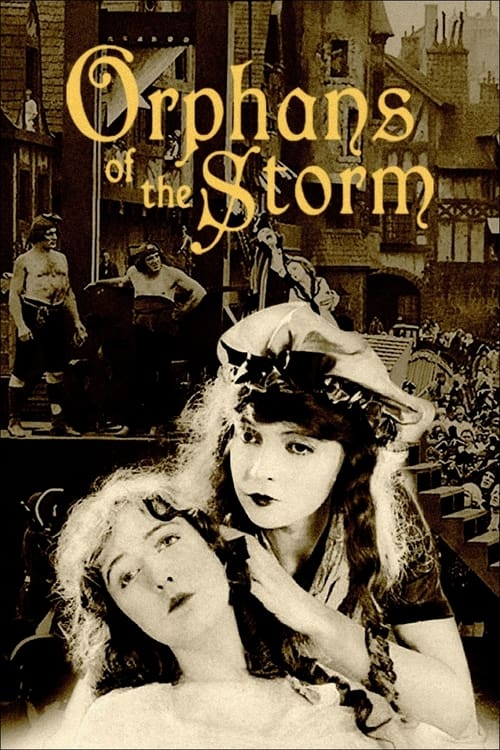
1921
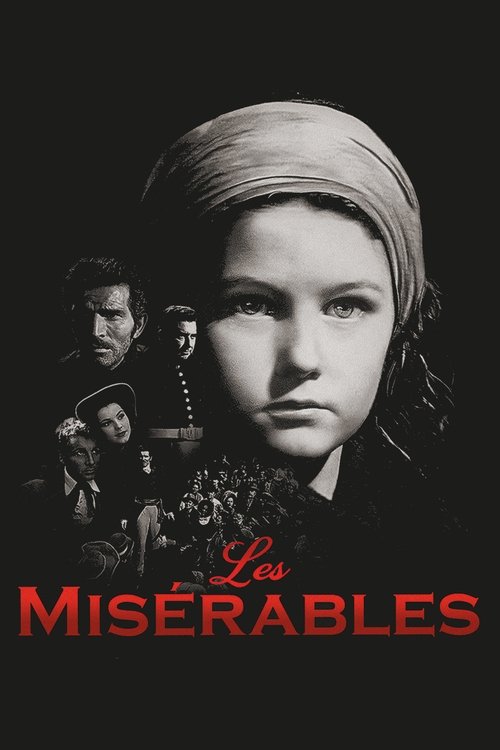
1952
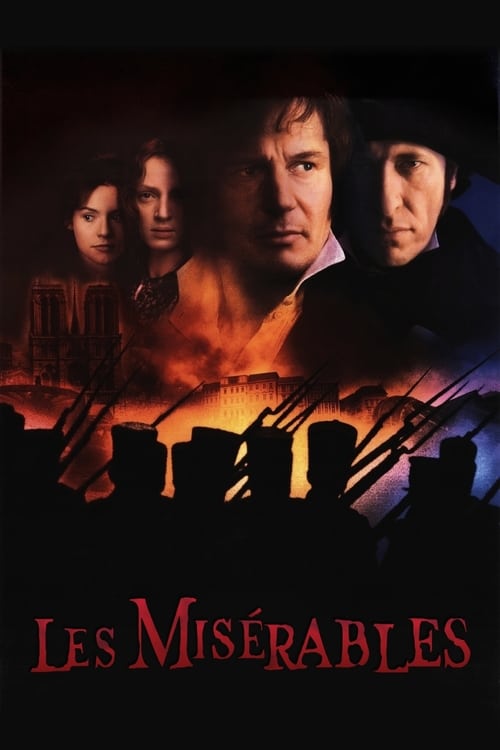
1998
No reviews yet. Be the first to share your thoughts on this movie!
Use the rating form above to leave a star rating and optional review.