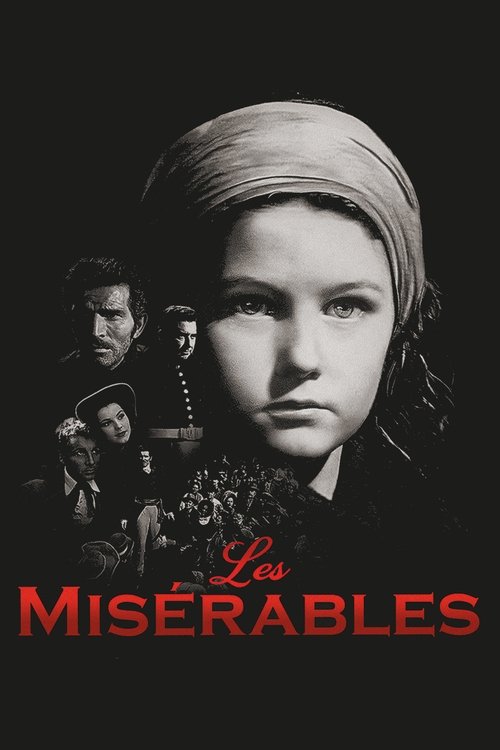
Les Miserables
1952
No user ratings available yet
Representation score: 2.3 out of 10

Representation Score
Limited
1982
UnratedDirector
Robert Hossein
Runtime
220 minutes
Average Rating
No ratings yetNew Showbiz Analysis
This adaptation of Victor Hugo’s classic prioritizes historical realism and socioeconomic critique over demographic diversity. The narrative is heavily male-centric, focusing on the moral tension between Valjean and Javert within a rigid patriarchal society. While the film lacks representation for LGBTQ+ identities, race, or disability, it excels in its cultural interrogation. It effectively challenges the infallibility of the state and church, framing the struggles of the poor as systemic injustices. Ultimately, the production trades demographic breadth for a deep, sophisticated deconstruction of 19th-century institutional power and class struggle.
Category Breakdown
The film does not include any LGBTQ+ characters or explore non-straight relationships. The interpersonal dynamics are confined to traditional family and romantic structures.
Male characters like Valjean and Javert dominate the narrative. Women are often shown as victims of systemic forces, highlighting their vulnerability within a patriarchal society.
The cast reflects the homogeneous demographics of 19th-century France. The production focuses on class distinctions rather than diverse ethnic representation or casting actors from different backgrounds.
The film offers a sophisticated critique of Western legal and religious institutions. It deconstructs these systems as inflexible structures that fail to consider human compassion and morality.
Physical hardship and the impact of poverty are present but serve as markers of socioeconomic status. There is no detailed exploration of neurodivergence or physical disabilities as central themes.
Present on Screen
Limited or Absent
Official Synopsis
In 19th century France, Jean Valjean, a man imprisoned for stealing bread, must flee a relentless policeman named Javert. The pursuit consumes both men's lives, and soon Valjean finds himself in the midst of the student revolutions in France.
1952
1971
1934

1963
1978
1998

1995
1997
No reviews yet. Be the first to share your thoughts on this movie!
Use the rating form above to leave a star rating and optional review.