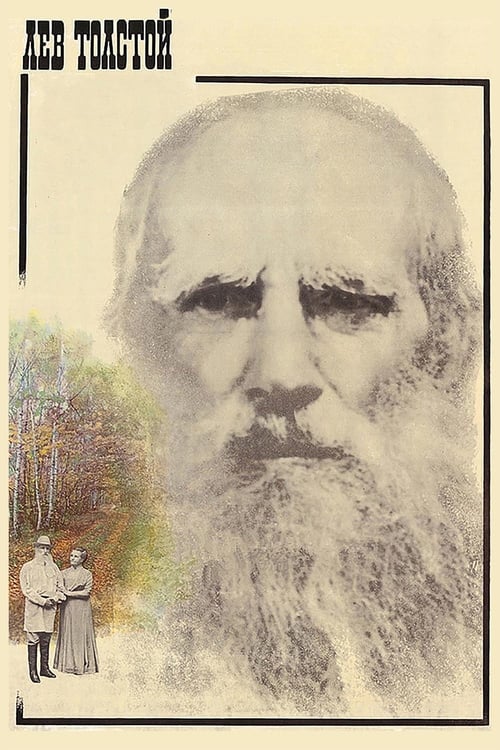
Lev Tolstoy
1984
No user ratings available yet
Diversity score: 5.3 out of 10
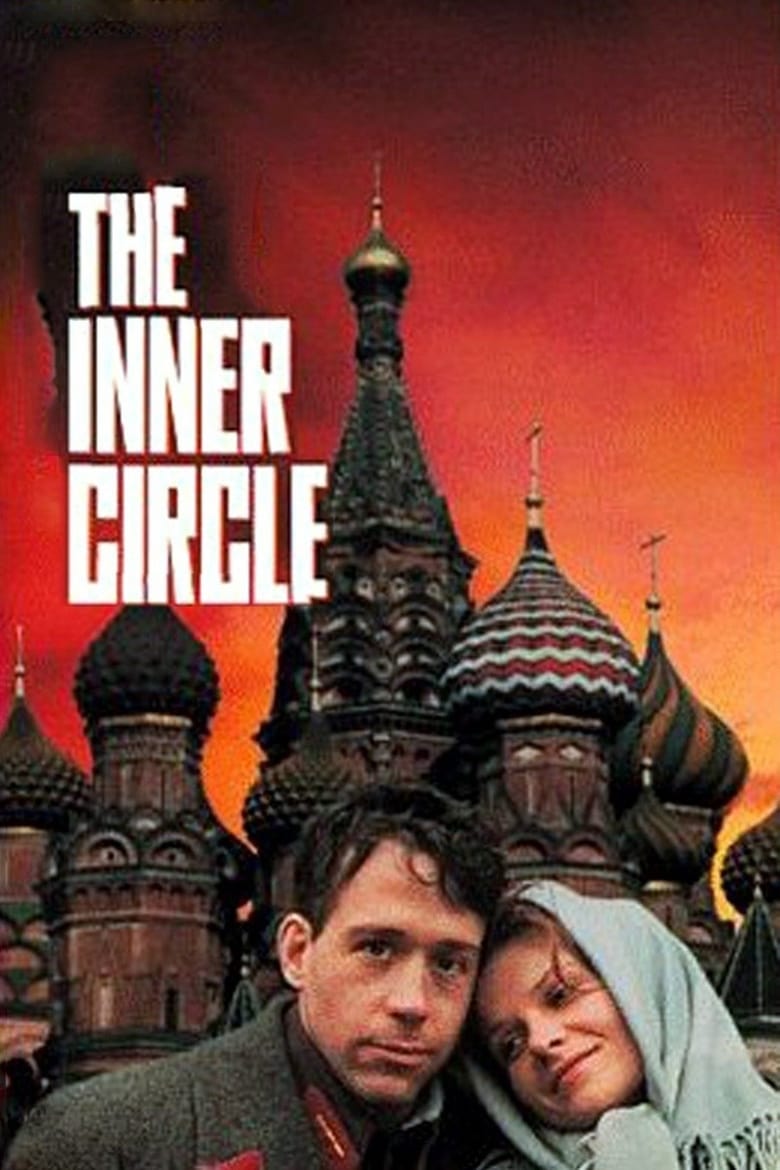
1992
PG-13Director
Andrei Konchalovsky
Runtime
137 minutes
Average Rating
No ratings yetSynopsis
Life changes for a Moscow worker when he's made Stalin's personal film projectionist but cannot tell his bride.
Overall Score
Fair
Category Breakdown
LGBTQ+ Representation
The film contains no depictions of non-heteronormative identities or queer narratives. This absence reflects the historical social constraints of the 1930s and 40s setting.
Gender Representation
Women in the 'Red Orchestra' resistance group possess significant agency as intelligence facilitators. While avoiding passive tropes, the film operates within the era's traditional gender hierarchies.
Racial & Ethnic Diversity
The cast is predominantly white and European to maintain historical fidelity. The film avoids color-blind casting to align with the specific demographic of the German resistance movement.
Religious & Cultural Diversity
The narrative excels by critiquing authoritarian institutions and questioning state loyalty. It frames illegal acts of espionage as necessary moral imperatives against a corrupt, totalitarian regime.
Disability Representation
There are no prominent depictions of physical or neurodivergent disabilities. No such traits are used as central plot devices or character elements.
Strengths
Areas for Improvement
AI Analysis
The film is a disciplined historical drama that prioritizes biographical accuracy and political ethics over modern demographic representation. It focuses heavily on the tension between individual morality and state power during the Third Reich. While the film scores low in traditional metrics like LGBTQ+ and racial diversity, this is a byproduct of its commitment to a specific historical milieu. It does not attempt to subvert the era's social realities through modern casting. Ultimately, the work finds its depth in cultural critique. It deconstructs the state as a moral authority, elevating the agency of individuals who resist systemic evil through necessary, albeit illegal, actions.
1984
1975

1957
1958
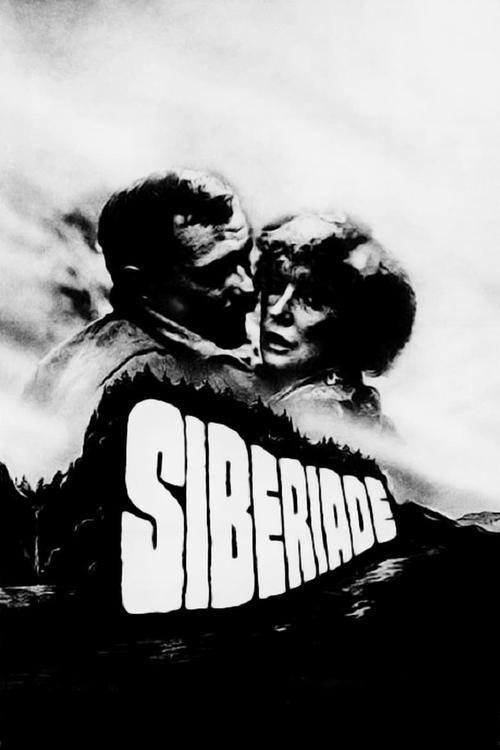
1979
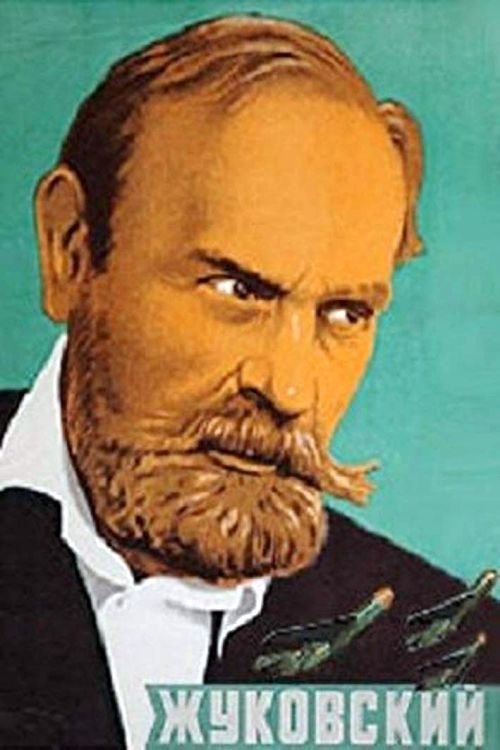
1950
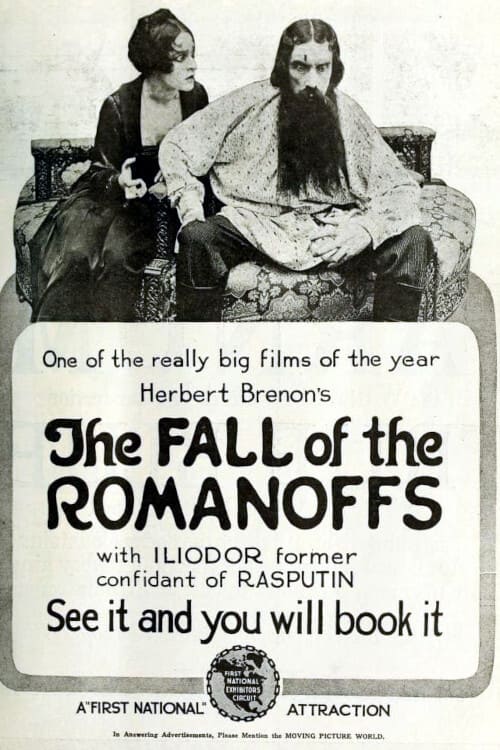
1918

2015
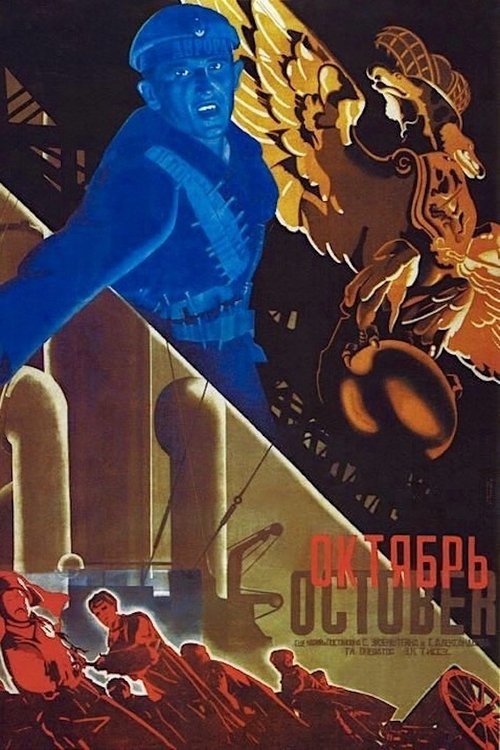
1928
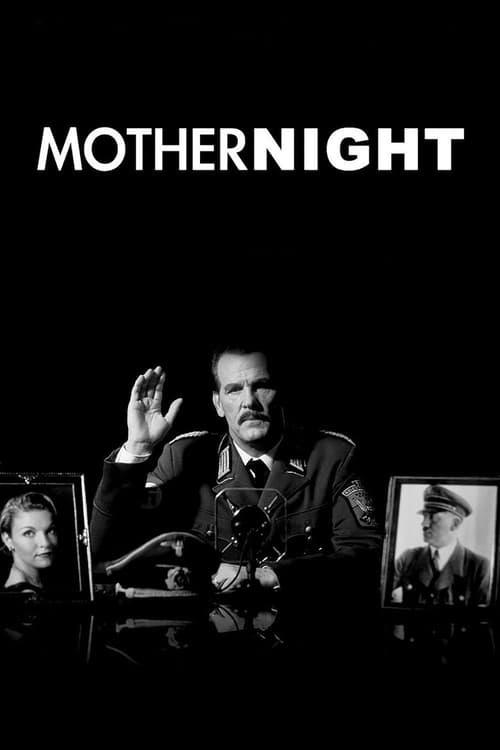
1996

1981
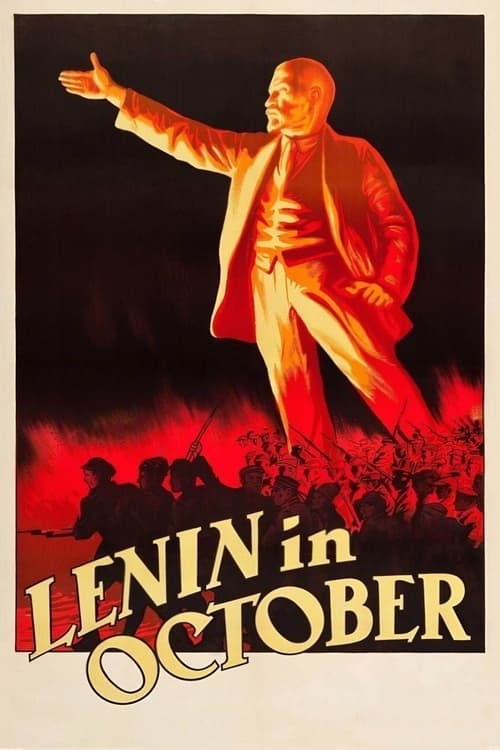
1937
No reviews yet. Be the first to share your thoughts on this movie!
Use the rating form above to leave a star rating and optional review.