
Ivan the Terrible, Part II: The Boyars' Plot
1958
No user ratings available yet
Representation score: 2.2 out of 10

Representation Score
Minimal
1944
NRDirector
Sergei Eisenstein
Runtime
95 minutes
Average Rating
No ratings yetNew Showbiz Analysis
Sergei Eisenstein’s film is a study of power and systemic corruption rather than a platform for modern identity politics. It adheres to the strict historical context of 16th-century Russia, leading to low scores for gender, racial, and LGBTQ+ representation. However, the film excels in its ideological depth. By dismantling the landed aristocracy and depicting their influence as an obstacle to progress, the narrative offers a sophisticated critique of entrenched, hierarchical institutions. Ultimately, the film prioritizes a deep exploration of political philosophy and the moral complexities of state-building over broad demographic representation.
Category Breakdown
The film focuses solely on the socio-political structures of 16th-century Muscovy and does not include any non-straight relationships or queer undertones.
The story centers around male political and military figures, while female characters are limited to domestic or symbolic roles, reinforcing traditional gender roles.
The cast is ethnically uniform, reflecting the specific ethnic makeup of 16th-century Muscovy. It portrays a particular ethnic identity as the core of the state.
The film critiques feudalism by portraying the aristocracy as corrupt and highlighting the importance of a unified state over individual feudal ties.
There is no representation of physical or neurodivergent disabilities in the film. Characters with disabilities are not used as narrative devices.
Present on Screen
Limited or Absent
Official Synopsis
Set during the early part of his reign, Ivan faces betrayal from the aristocracy and even his closest friends as he seeks to unite the Russian people. Sergei Eisenstein's final film, this is the first part of a three-part biopic of Tsar Ivan IV of Russia, which was never completed due to the producer's dissatisfaction with Eisenstein's attempts to use forbidden experimental filming techniques and excessive cost overruns. The second part was completed but not released for a decade after Eisenstein's death and a change of heart in the USSR government toward his work; the third part was only in its earliest stage of filming when shooting was stopped altogether.
1958
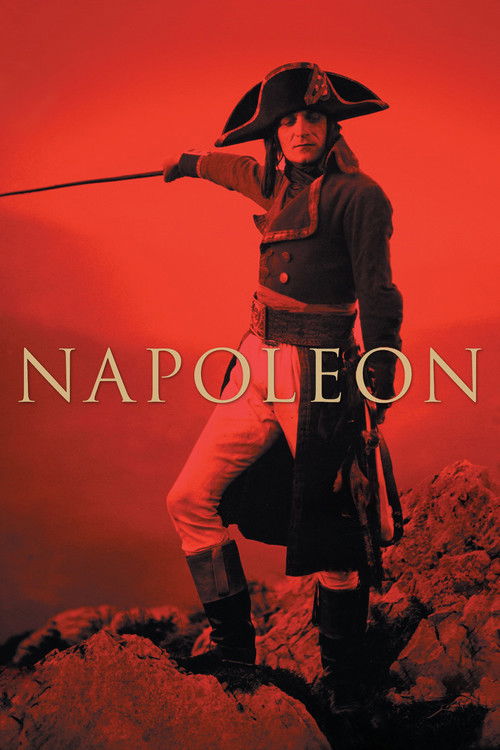
1927

1957
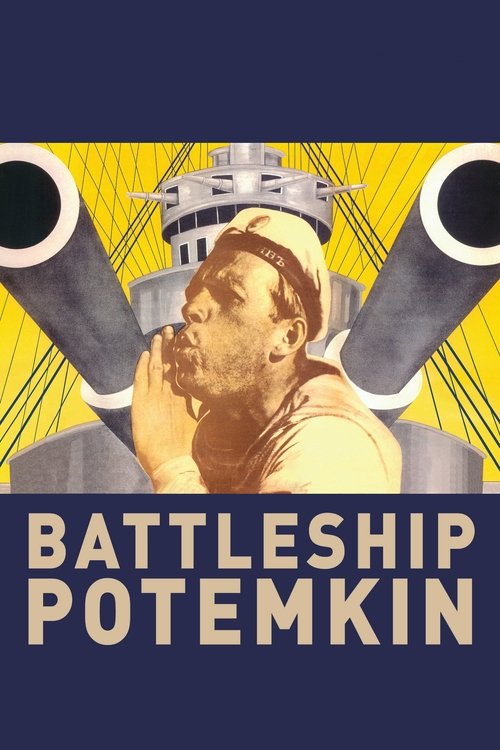
1925
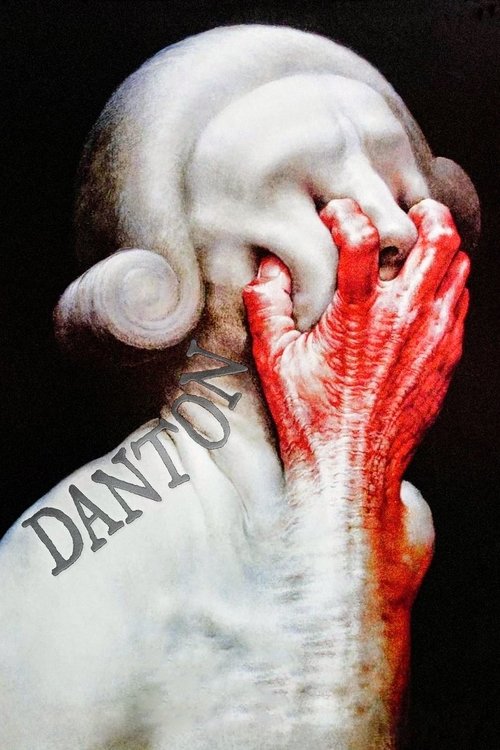
1983
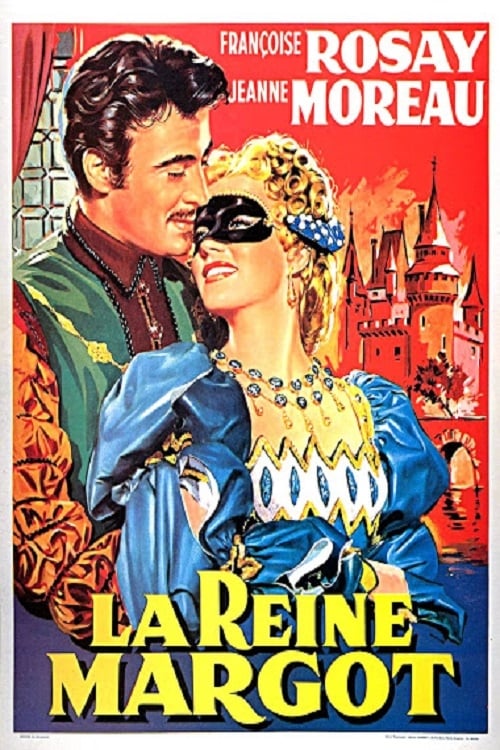
1954
1928
1909
No reviews yet. Be the first to share your thoughts on this movie!
Use the rating form above to leave a star rating and optional review.