
Summer Crisis
2013
No user ratings available yet
Representation score: 5.6 out of 10
Representation Score
Good
1974
Director
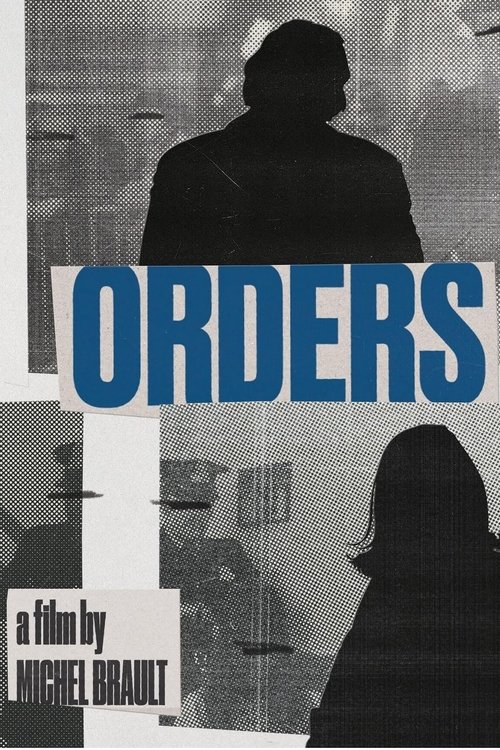
Michel Brault
Runtime
109 minutes
Average Rating
No ratings yetNew Showbiz Analysis
Michel Brault’s work uses a social realist lens to examine the tension between individuals and state authority. The film excels in its cultural critique, deconstructing the legitimacy of the legal apparatus during the October Crisis. However, the film lacks depth in representing LGBTQ+, disability, and gender-diverse perspectives. It primarily focuses on the socio-political friction of the era. Ultimately, the film is a specialized historical drama. Its value lies in its anti-establishment sentiment rather than its breadth of identity representation.
Category Breakdown
The film focuses on the dynamics of political prisoners and conflicts between citizens and the state. It does not include any non-straight or non-cisgender identities or explicit queer narratives.
The movie centers on the collective political struggles of ordinary citizens. Women are part of the social fabric, but the film does not challenge traditional gender roles or highlight female leadership.
The setting reflects the demographic reality of 1970s Quebec, exploring the linguistic and ethnic tensions between French-speaking and English-speaking groups during the October Crisis.
The film offers a strong critique of Western institutions and state authority, presenting government enforcement mechanisms as oppressive tools against individual rights.
The story focuses on the psychological and social impacts of incarceration. It does not depict neurodivergence or physical disabilities.
Present on Screen
Limited or Absent
Official Synopsis
A fact-based account of ordinary citizens who found themselves arrested and imprisoned without charge for weeks during the October Crisis in 1970 Quebec.
2013

1971

2008

1989

2015

2008

1984
2017
No reviews yet. Be the first to share your thoughts on this movie!
Use the rating form above to leave a star rating and optional review.