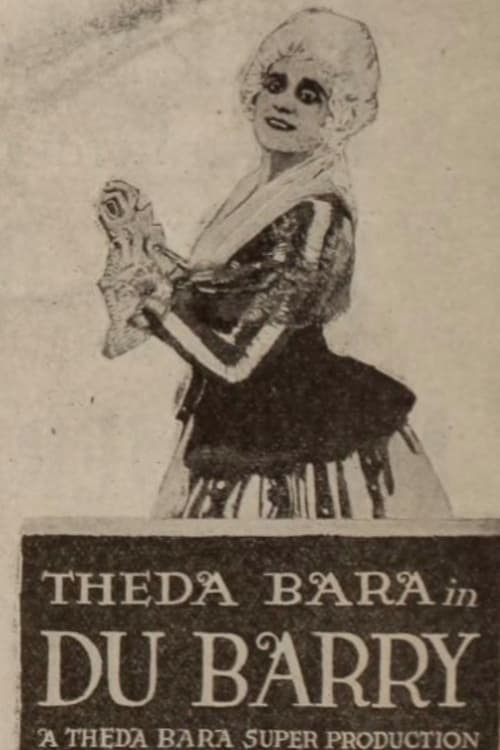
Madame du Barry
1917
No user ratings available yet
Representation score: 2.1 out of 10

Representation Score
Limited
1919
Not RatedDirector
Ernst Lubitsch
Runtime
114 minutes
Average Rating
No ratings yetNew Showbiz Analysis
Madame DuBarry presents a compelling look at class mobility and the dismantling of institutional authority. The protagonist's rise from commoner to influential figure disrupts the era's established patriarchal and aristocratic structures. However, the film's scope is narrow. It lacks modern demographic diversity, focusing almost entirely on the internal class dynamics of the French aristocracy through a homogeneous European lens. While the critique of the monarchy provides a foundational look at power hierarchies, these themes are confined to socioeconomic status rather than identity-based frameworks.
Category Breakdown
The film adheres to a traditional framework that assumes everyone is straight and cisgender. It does not include non-assuming gender matches what was assigned at birth gender identities or same-sex relationships.
The story challenges traditional hierarchies through the protagonist's actions. Madame DuBarry exercises significant influence through romantic and political strategies, defying conventional roles.
The film features a homogeneous European cast typical of its 1919 production era. It does not include racial diversity or non-Anglo-Saxon perspectives.
The story critiques the French monarchy and the Ancien Régime. It depicts the court as a place of decadence, moral decay, and systemic corruption.
There are no visible or invisible disabilities shown in the main character arcs. Disability is not used as a narrative device.
Present on Screen
Limited or Absent
Official Synopsis
The story of Madame DuBarry, the mistress of Louis XV of France, and her loves in the time of the French revolution.
1917

1957
1925
1934
1912
1921
1954
1936
No reviews yet. Be the first to share your thoughts on this movie!
Use the rating form above to leave a star rating and optional review.