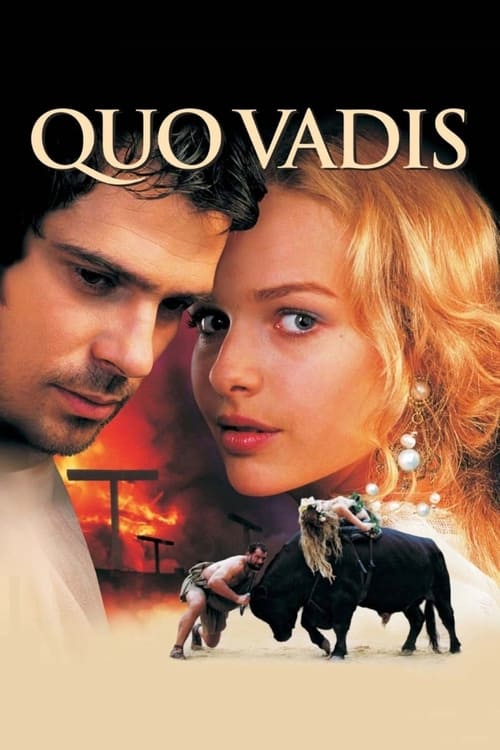
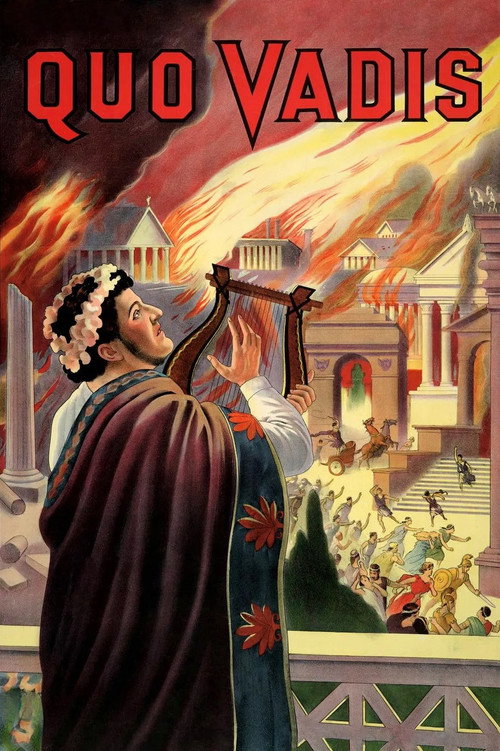
Quo Vadis
2001
No user ratings available yet
Representation score: 3.9 out of 10
Representation Score
Limited
1913
Director
Enrico Guazzoni
Runtime
120 minutes
Average Rating
No ratings yetNew Showbiz Analysis
Enrico Guazzoni’s epic focuses primarily on institutional conflicts rather than modern diversity issues. It lacks contemporary diversity in race and LGBTQ+ representation, concentrating instead on the tension between imperial authority and religious outsiders. The film explores themes by portraying the Roman state as a decadent, oppressive force. This creates a dynamic where the underrepresented Christian community serves as the moral center against a corrupt establishment. Ultimately, while the film is a technical masterpiece of scale, its social representation remains rooted in the traditional and homogeneous cinematic standards of its time.
Category Breakdown
The film sticks to the conventions of 1913 cinema, showing no characters with non-binary or LGBTQ+ identities. The main conflict revolves around a heterosexual relationship between Vinicius and Lygia.
Operating within a patriarchal framework, Lygia stands out due to her spiritual strength. However, the film relies heavily on the 'purity' cliché to define its female characters.
The casting is mostly uniform, reflecting the production standards of early Italian cinema. The visual style is Eurocentric, emphasizing the binary conflict between Romans and early Christians.
The narrative criticizes institutional power by depicting the Roman state as a corrupt oppressor. It highlights the underrepresented Christian community against the decadent imperial structure.
There is no discernible focus on visible or invisible disabilities. Characters function within standard physical capacities typical of epic melodrama.
Present on Screen
Limited or Absent
Official Synopsis
During the latter years of the reign of the tyrannical Roman emperor Nero, Marcus Vinicius, one of Nero's officers, falls in love with a young Christian named Lygia, attempting to enslave her. Lygia's protector, the noble and burly Ursus, works to save her from Vinicius' clutches. Pursuing Lygia, Vinicius finds himself at a catacomb prayer meeting led by the apostle Peter and finds his conscience stirring-- just as Nero orders Rome burned. A landmark in epic film, Enrico Guazzoni’s grand-scale masterpiece laid the foundations for what colossal Italian spectacles would become. The film had tremendous influence on Giovanni Pastrone’s Cabiria (1914) and D.W. Griffith’s Intolerance (1916).
2001
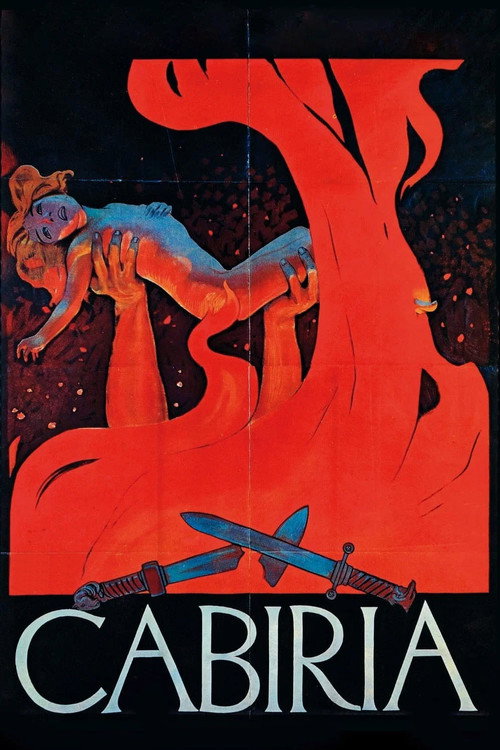
1914
1932

1951
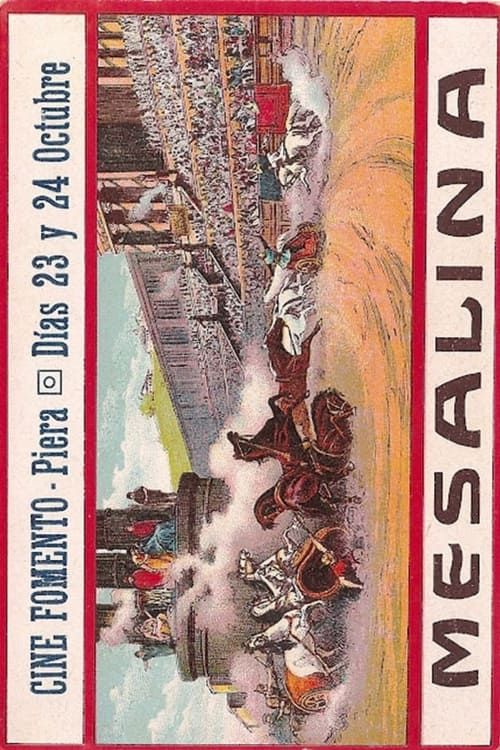
1924
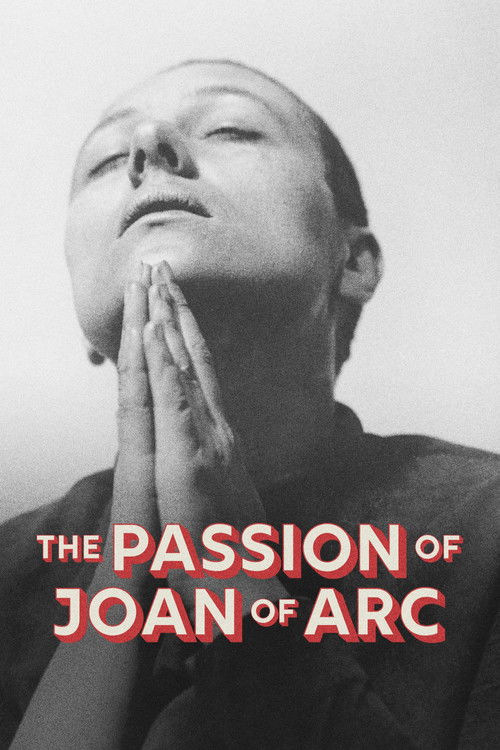
1928
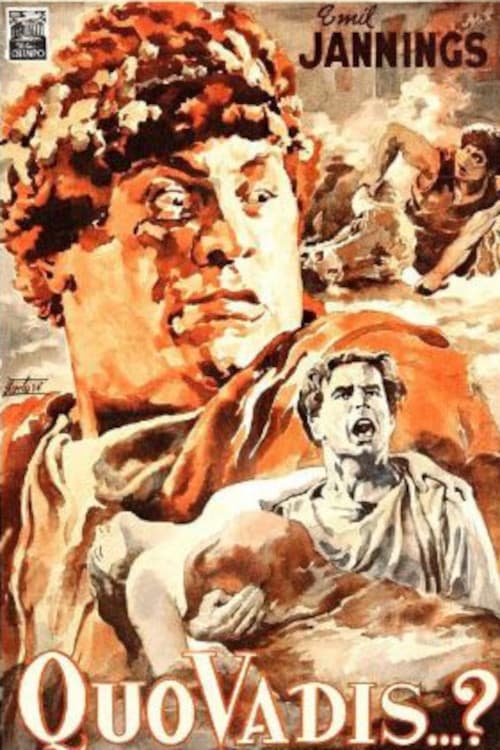
1924
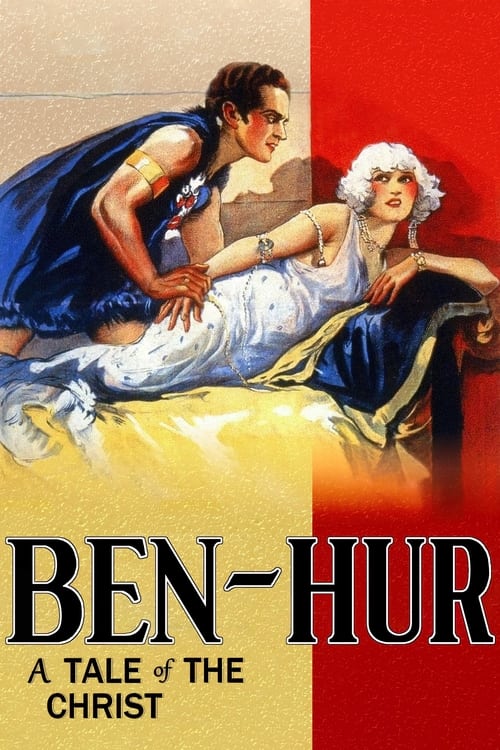
1925
No reviews yet. Be the first to share your thoughts on this movie!
Use the rating form above to leave a star rating and optional review.