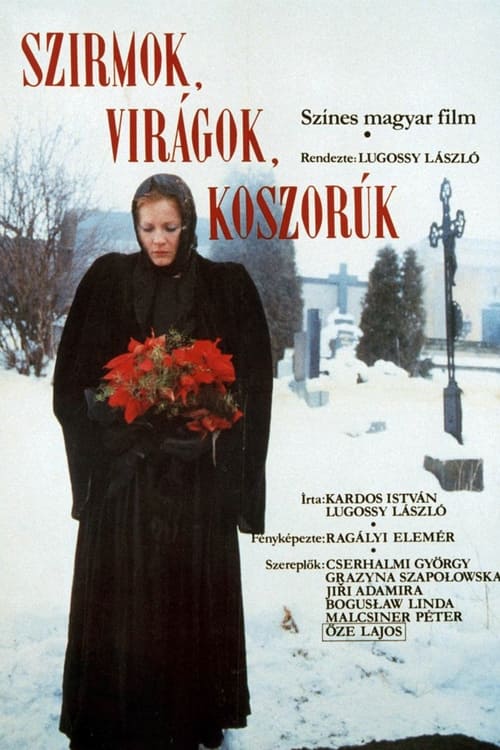
Záchvěv strachu
1984
No user ratings available yet
Representation score: 4.4 out of 10
Representation Score
Good
1985
Director
László Lugossy
Runtime
102 minutes
Average Rating
No ratings yetNew Showbiz Analysis
Flowers of Reverie is a sophisticated historical drama that prioritizes the dismantling of imperial authority. It excels in critiquing state-sponsored oppression and subverting traditional power hierarchies. However, the film lacks contemporary markers of diversity. The narrative focus remains heavily centered on male-driven political and military conflicts, leaving little room for varied gender or LGBTQ+ perspectives. Ultimately, the film's strength lies in its portrayal of systemic victimhood and its refusal to validate the morality of the 19th-century dominant political institutions.
Category Breakdown
The film does not include any explicit LGBTQ+ characters or narratives. The story centers around the domestic relationship between Ferenc and his wife and the larger political conflict.
The narrative adheres to traditional 19th-century social structures. Women play key roles in the protagonist's personal life, while the political and military plots are driven by a male-centric perspective.
The cast is ethnically uniform, emphasizing Magyar identity. The film delves into ethnic sovereignty and the struggle of a specific cultural group against the Austrian Empire's dominance.
The film strongly critiques systemic authority. It depicts state institutions, such as the Secret Police and asylums, as corrupt tools used to suppress individual independence and autonomy.
An insane asylum serves as a mechanism for political imprisonment. It is unclear whether the film offers nuanced portrayals of mental health or merely uses the institution as a plot device.
Present on Screen
Limited or Absent
Official Synopsis
The seeming hopelessness of combatting an all-powerful government that will not tolerate political dissension is the focus of this excellent historical drama set in the mid-19th century in Hungary. In the opening scenes, Hungary has just lost its bid for independence from Austria and a Magyar officer, unable to bear the tragedy of defeat and what it means, says an affectionate good-bye to his beloved horse and then shoots the animal and himself. Two years later, Ferenc (Gyorgy Cserhalmi) is trying to eke out a living for his wife and her family -- and at the same time avoid any hint of sympathy for Hungarian independence because the Secret Police are everywhere. Just as life seems to be going well, Ferenc's former commanding officer (Lajos Oze) arrives and begins discussing revolution again -- a futile pursuit at this point in time. The next day, Ferenc is thrown into an insane asylum and everyone else is arrested as well.
1984
1989
1982
2018

1985
1966
1979

2004
No reviews yet. Be the first to share your thoughts on this movie!
Use the rating form above to leave a star rating and optional review.