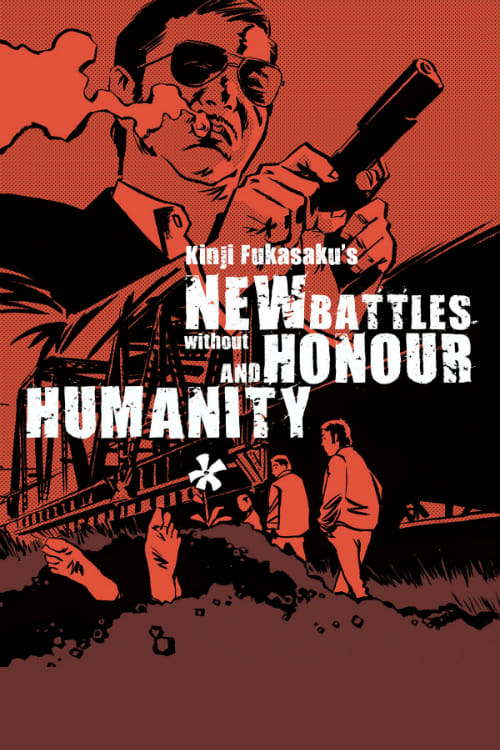
New Battles Without Honor and Humanity 1
1974
No user ratings available yet
Representation score: 1.9 out of 10
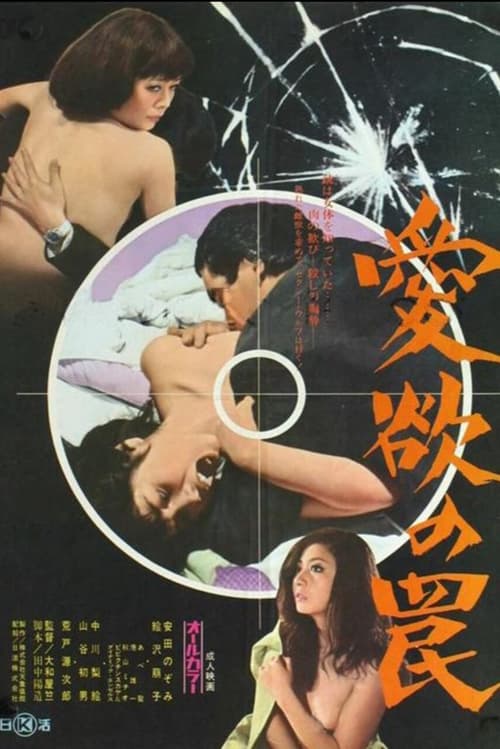
Representation Score
Limited
1973
Director
Atsushi Yamatoya
Runtime
77 minutes
Average Rating
No ratings yetNew Showbiz Analysis
Trapped in Lust operates as a traditional crime drama, following the established social and narrative structures of 1973. The plot centers on a hitman's conflict with his own organization, emphasizing genre-driven action over social complexity. The film does not provide evidence of storytelling that reflects multiple aspects of identity or disrupts traditional hierarchies. It remains within the masculine, professional settings typical of the era's crime cinema. Without detailed character interactions, the film appears to be a standard genre piece rather than a work of progressive social commentary.
Category Breakdown
The film does not include any characters with non-straight sexual orientations or non-cisgender gender identities. It seems to follow traditional crime movie formulas from the 1970s.
The story revolves around a male hitman working in a male-dominated professional environment. Female characters do not have significant roles or challenge gender stereotypes.
As a Japanese production, the cast is likely to be mostly Japanese. This reflects the geographical context of the time rather than a deliberate effort towards multiculturalism.
The story follows traditional individualistic and survival-based archetypes. There is no clear indication of anti-institutional or secular themes.
There is no information available about the portrayal of characters with physical or cognitive disabilities.
Present on Screen
Limited or Absent
Official Synopsis
A hitman messes up an assassination and so becomes the next target of his organization.
1974
1967
1973
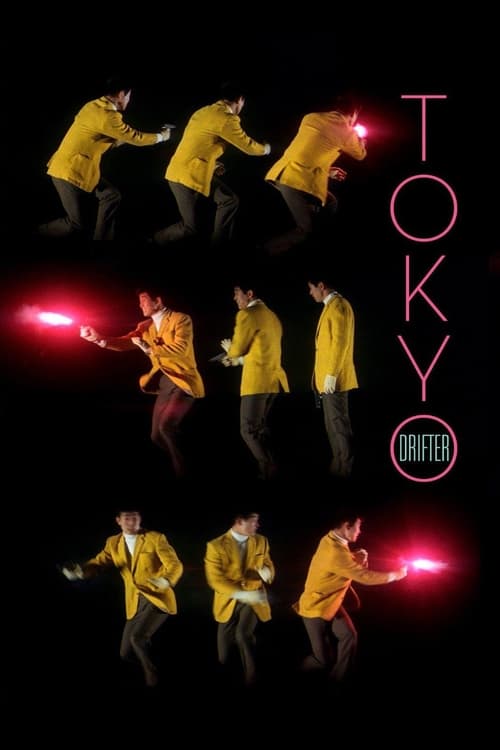
1966
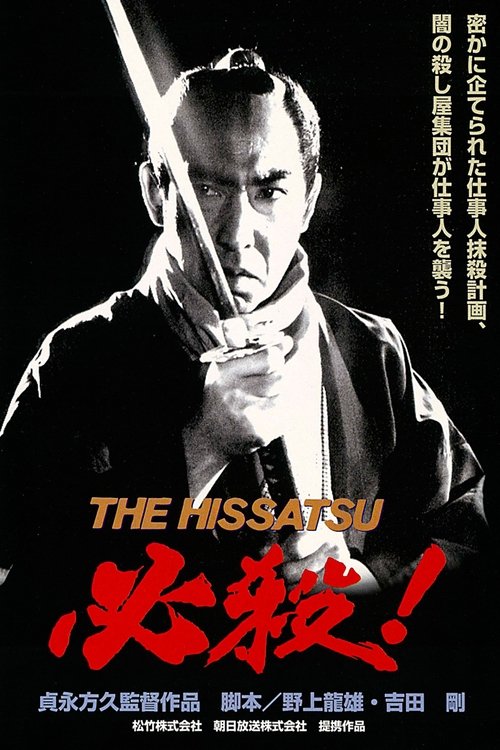
1984
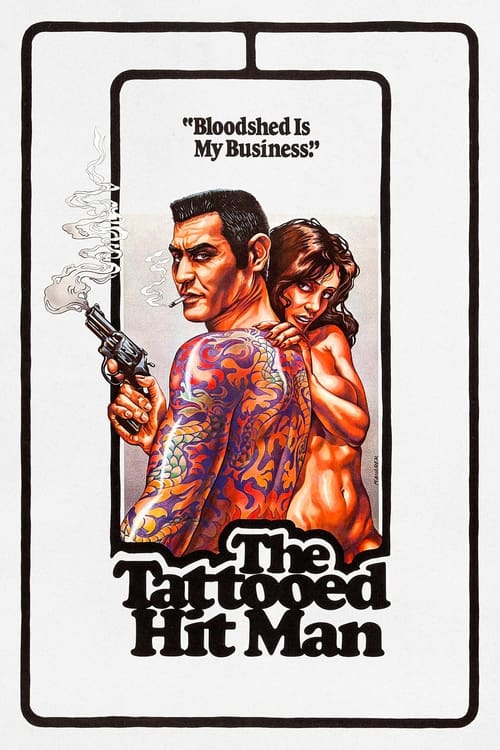
1974
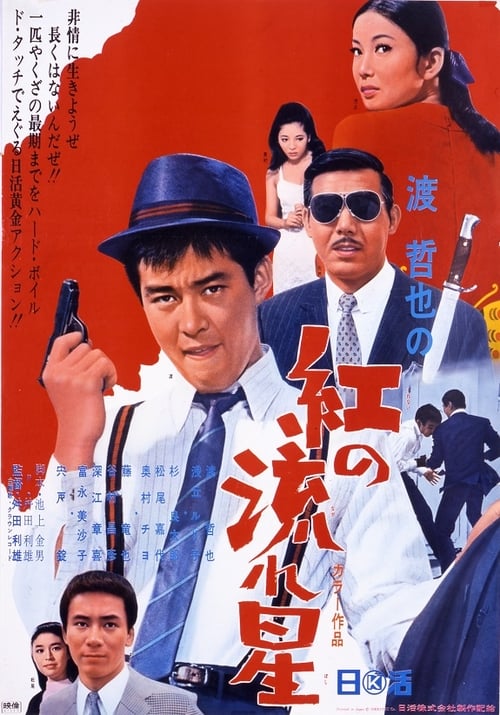
1967
1965
No reviews yet. Be the first to share your thoughts on this movie!
Use the rating form above to leave a star rating and optional review.