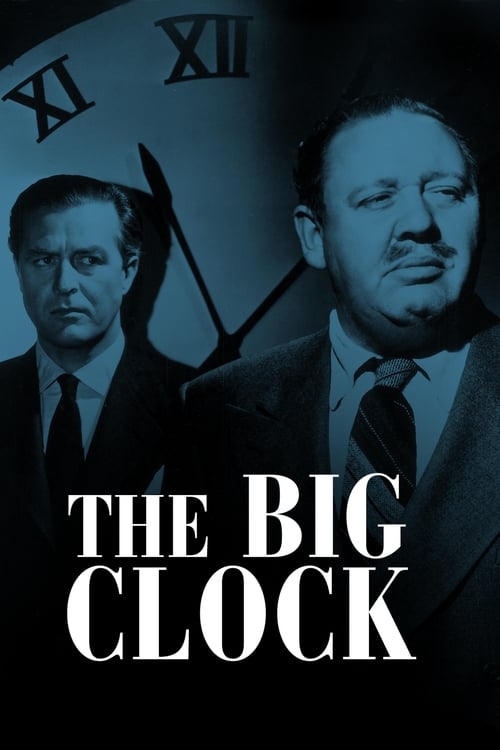
The Big Clock
1948
No user ratings available yet
Representation score: 1.1 out of 10

Representation Score
Minimal
1946
ApprovedDirector
Orson Welles
Runtime
95 minutes
Average Rating
No ratings yetNew Showbiz Analysis
The Stranger is a psychological thriller set in the 1940s, confined to the demographic limits of that era. While it avoids the passive female stereotypes of the time, it remains largely homogeneous. The film excels in its nuanced portrayal of characters, especially in highlighting female independence. However, it lacks depth in representing diverse identities and backgrounds. Overall, the narrative focuses on individual morality and justice, without exploring broader social or identity-based issues.
Category Breakdown
The film follows the traditional assumptions of the 1940s, where everyone is assumed to be straight or cisgender. There are no hints of LGBTQ+ identities or queer subtext among the characters.
Anne Edelman stands out as a strong, independent woman who challenges the typical mid-century stereotypes. However, the film still centers around masculine authority and traditional gender roles.
The cast is entirely white and homogeneous, lacking any racial diversity or perspectives outside Anglo-Saxon backgrounds.
The story delves into moral ambiguity and the conflict between institutional justice and social respectability. It looks at how social standing can hide the truth in a post-war society.
The film does not include any characters with visible or invisible disabilities as part of its main themes.
Present on Screen
Limited or Absent
Official Synopsis
An investigator from the War Crimes Commission travels to Connecticut to find an infamous Nazi, who may be hiding out in a small town in the guise of a distinguished professor engaged to the Supreme Court Justice’s daughter.
1948
1947
1943
1967
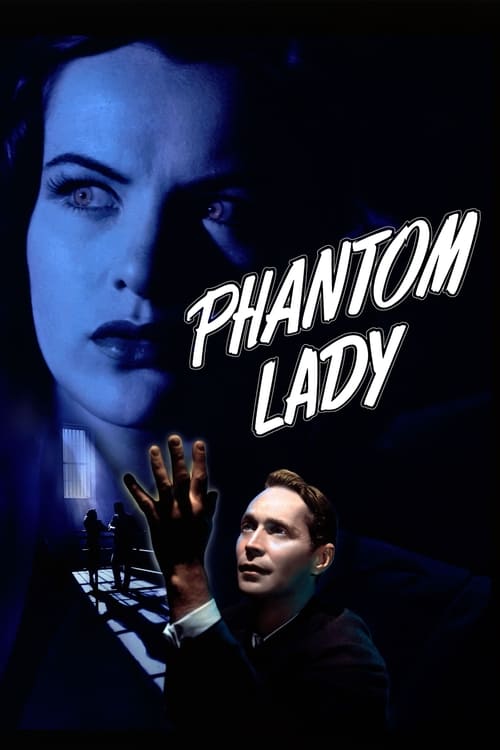
1944
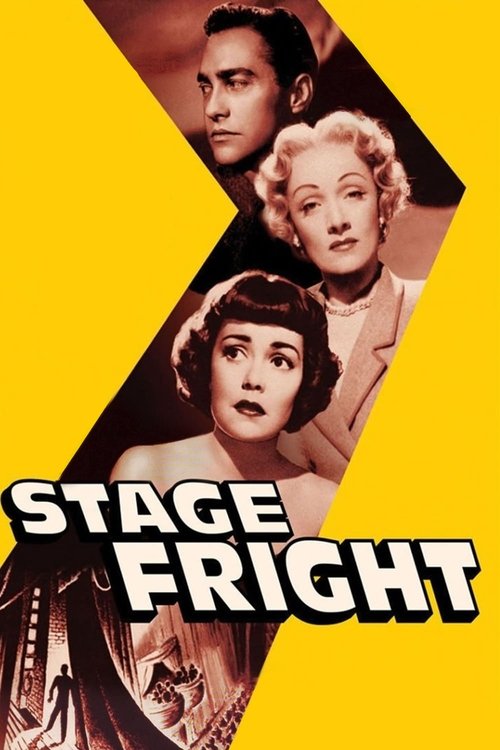
1950
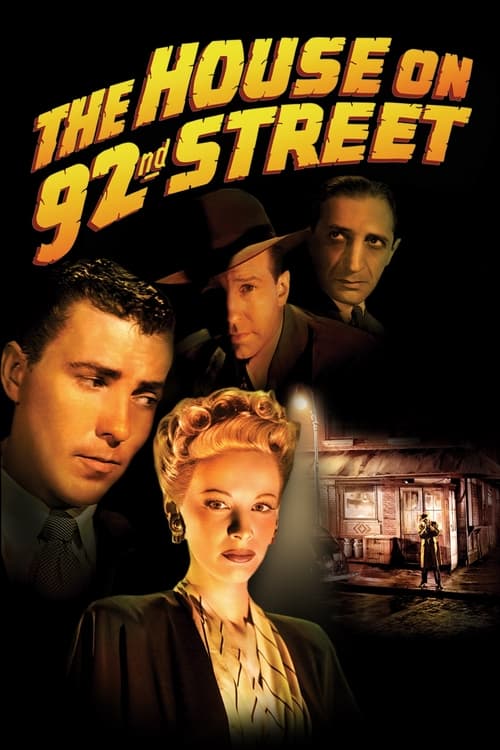
1945
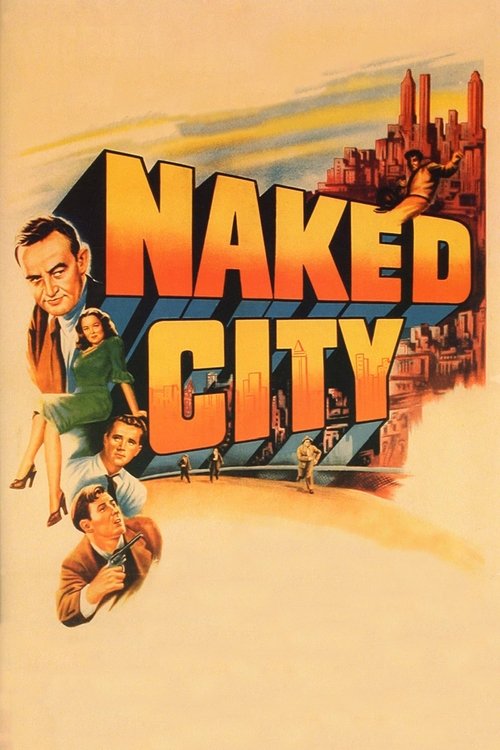
1948
No reviews yet. Be the first to share your thoughts on this movie!
Use the rating form above to leave a star rating and optional review.