The Paradine Case
1947
No user ratings available yet
Representation score: 2.8 out of 10
Representation Score
Limited
1949
NRDirector
Joseph L. Mankiewicz
Runtime
103 minutes
Average Rating
No ratings yetNew Showbiz Analysis
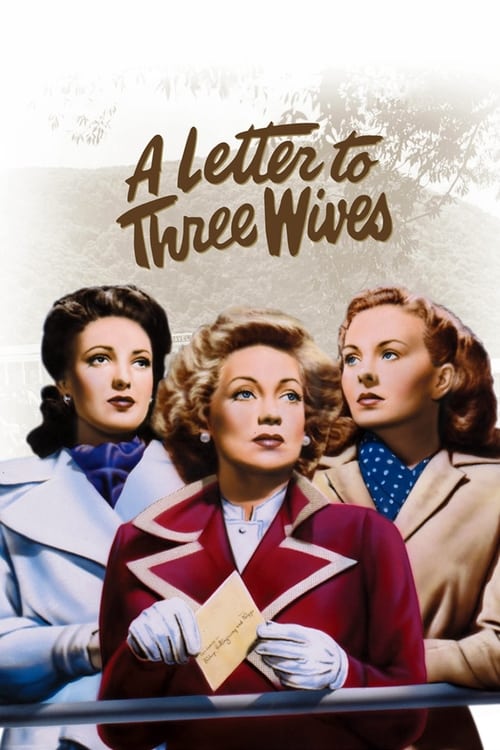
A Letter to Three Wives is set in a time when racial and LGBTQ+ diversity was not prominently featured. The cast is predominantly white and middle-class, reflecting the societal norms of the mid-20th century. However, the film gains depth by shifting the narrative focus to the internal lives of women. It explores their psychological responses to betrayal rather than portraying them as mere extensions of their husbands. Ultimately, the film critiques the idealized suburban family by breaking down traditional family structures.
Category Breakdown
The film focuses solely on heterosexual marriages and does not depict same-sex relationships or non-cisgender identities.
The story centers on the intellectual and emotional lives of three women, challenging the traditional roles of women. It portrays the husband as unstable rather than a stable patriarch.
The story focuses on a homogeneous, white, middle-class suburban demographic. There is no evidence of color-blind casting or non-Anglo-Saxon characters.
The film questions the idealized Western suburban family structure, viewing it skeptically and morally relativistically.
There are no characters with visible or invisible disabilities, nor are there narratives driven by physical or neurological differences.
Present on Screen
Limited or Absent
Official Synopsis
A letter is addressed to three wives from their 'best friend', announcing that she's running away with one of their husbands – but she doesn't specify which one.
1947
1947

1963
1947

1944
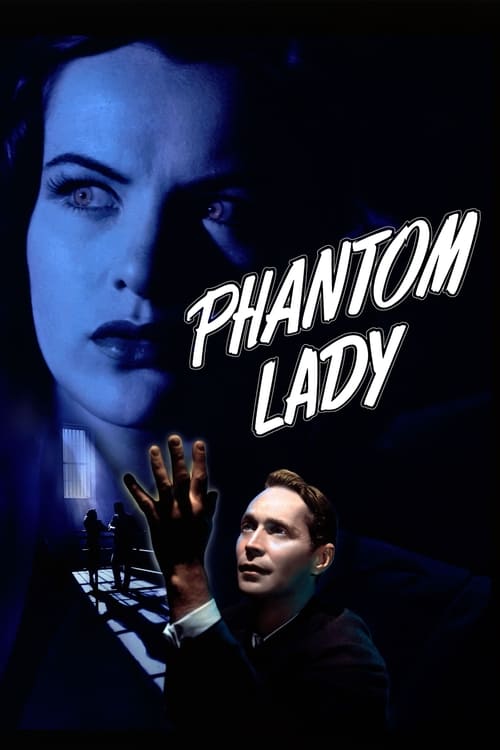
1944
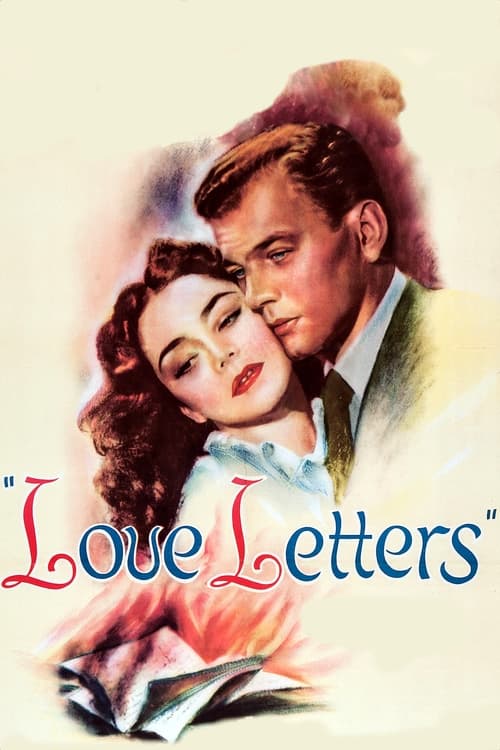
1945
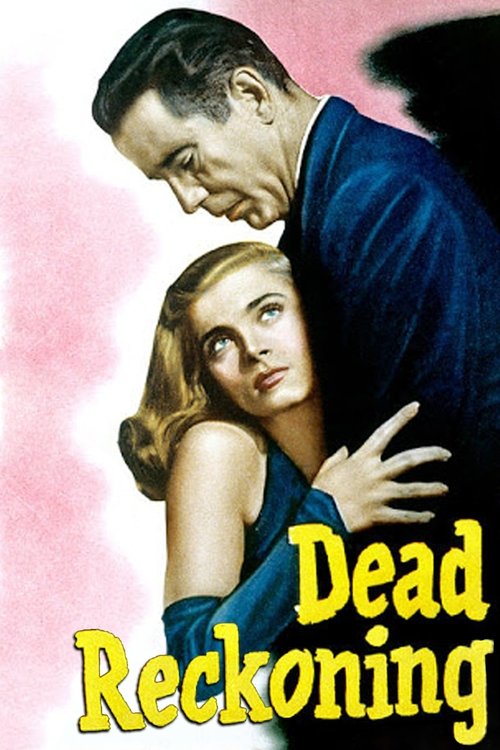
1946
No reviews yet. Be the first to share your thoughts on this movie!
Use the rating form above to leave a star rating and optional review.