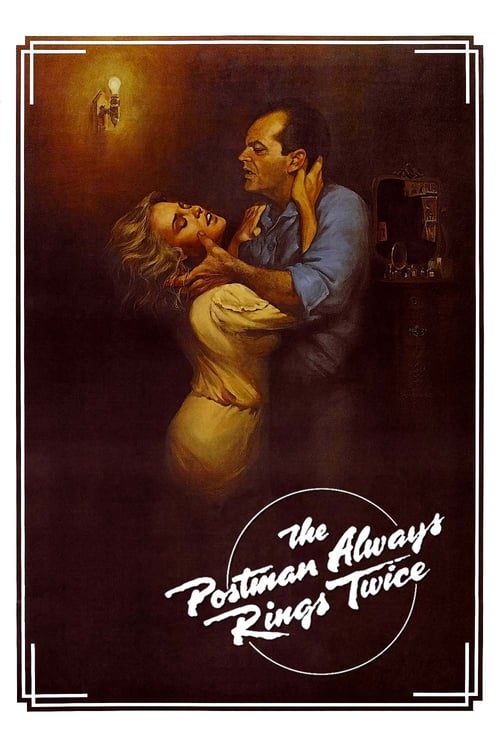
The Postman Always Rings Twice
1981
No user ratings available yet
Representation score: 2.9 out of 10
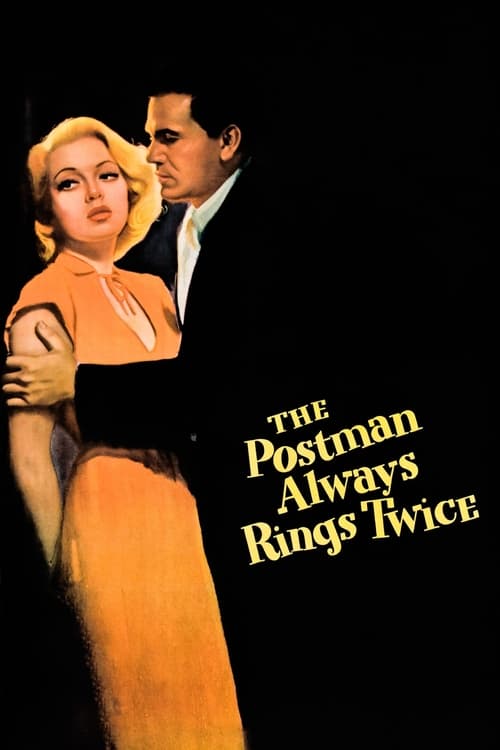
Representation Score
Limited
1946
NRDirector
Tay Garnett
Runtime
113 minutes
Average Rating
No ratings yetNew Showbiz Analysis
The film reflects the social constraints of its 1946 setting, resulting in limited demographic diversity. It offers minimal representation for LGBTQ+ individuals or people with disabilities, and the cast is predominantly white. However, the film finds complexity by challenging mid-century social norms. Instead of adhering to traditional domestic stability, it employs the femme fatale archetype to give the female protagonist significant power and influence. Ultimately, the film's value lies in its cynical deconstruction of Western institutions. It replaces idealized family structures with a fatalistic exploration of greed and individual desires.
Category Breakdown
The film does not include any LGBTQ+ characters or non-straight relationships. The interpersonal dynamics revolve around a heterosexual relationship and criminal activities.
Cora challenges mid-century gender roles by taking an active role rather than being passive. The power dynamic shifts from male dominance to a volatile partnership driven by female desire.
The cast is primarily composed of white actors, reflecting the social norms of 1946. The California setting does not offer much racial or ethnic diversity among the main characters.
The story questions the sanctity of marriage and the American Dream through moral relativism. It portrays the breakdown of the family unit as a catalyst for drama rather than a moral failing.
There are no visible or hidden disabilities represented in the film.
Present on Screen
Limited or Absent
Official Synopsis
A married woman and a drifter fall in love, then plot to murder her husband.
1981
1947
1981
1944

1994
1943

1946
1949
No reviews yet. Be the first to share your thoughts on this movie!
Use the rating form above to leave a star rating and optional review.