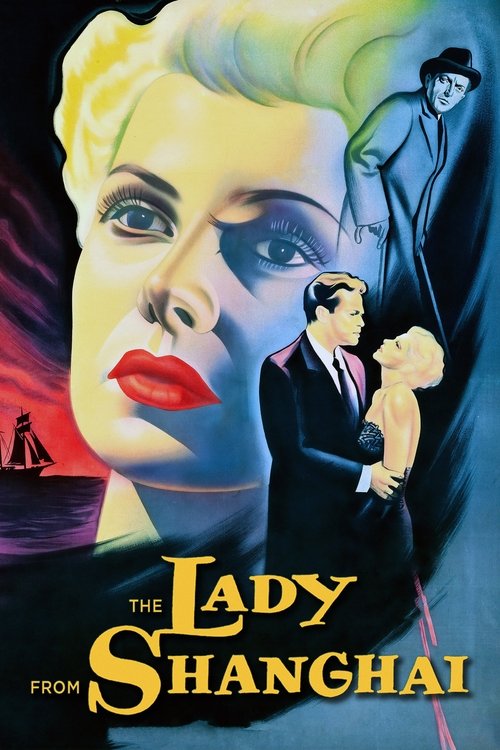
The Lady from Shanghai
1947
No user ratings available yet
Representation score: 1.4 out of 10
Representation Score
Minimal
1944
ApprovedDirector
Fritz Lang
Runtime
99 minutes
Average Rating
No ratings yetNew Showbiz Analysis
Fritz Lang’s noir classic prioritizes psychological tension and fatalism over social or demographic representation. The film is a product of its era, deeply rooted in the traditional hierarchies and cultural norms of mid-century Hollywood. While the narrative is driven by central female characters, they are largely confined to established clichés like the femme fatale. This limits the exploration of gender beyond sexualized danger or victimhood. The production lacks meaningful racial, cultural, or disability-related diversity, presenting a homogeneous metropolitan world that reflects the standard studio practices of 1944.
Category Breakdown
The film follows strict 1940s conventions that assume everyone is straight or cisgender. There are no depictions of non-traditional gender identities or narratives that challenge these norms.
Female characters drive the plot through the femme fatale archetype. However, their roles are often portrayed as predatory or disruptive to the male protagonist.
The cast is predominantly white and reflects the demographic homogeneity of mid-century Hollywood. The urban setting reinforces a traditional Western social structure.
The story operates within traditional Western legal and social institutions. It focuses on individual guilt and paranoia rather than broader social critiques.
There are no prominent depictions of physical or neurodivergent disabilities. No characters use disability to drive the narrative or provide depth.
Present on Screen
Limited or Absent
Official Synopsis
A seductive woman gets an innocent professor mixed up in murder.
1947
1944
1949
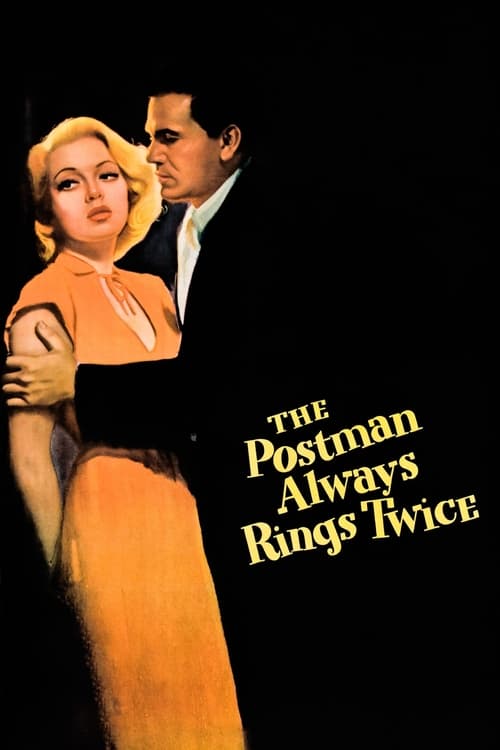
1946
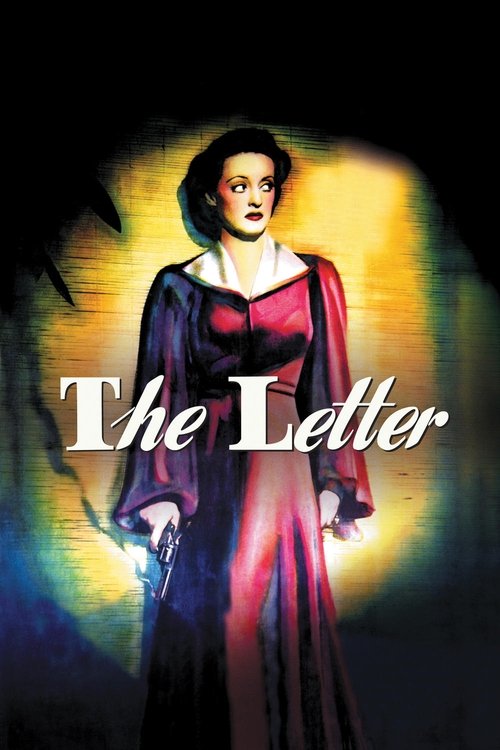
1940
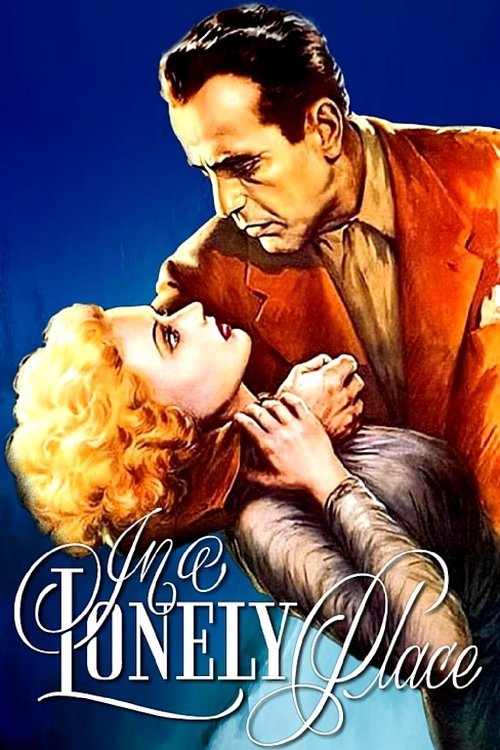
1950
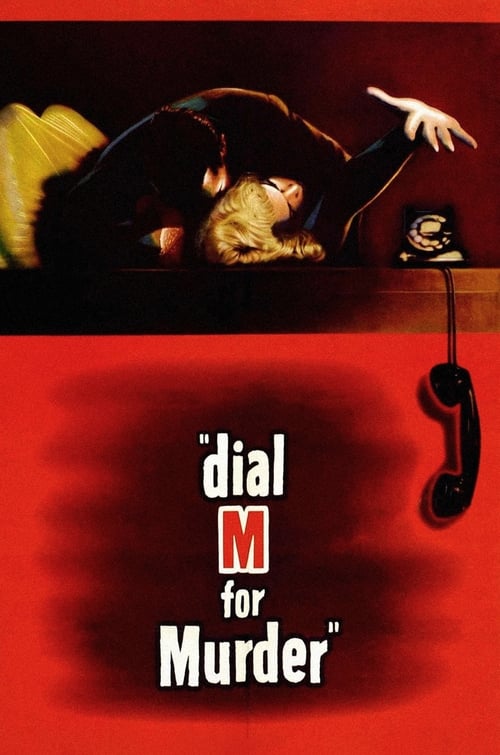
1954
1947
No reviews yet. Be the first to share your thoughts on this movie!
Use the rating form above to leave a star rating and optional review.