
Marnie
1964
No user ratings available yet
Representation score: 3.5 out of 10

Representation Score
Limited
1950
NRDirector
Nicholas Ray
Runtime
93 minutes
Average Rating
No ratings yetNew Showbiz Analysis
In a Lonely Place stands out through a sophisticated psychological study of a protagonist who lacks traditional masculine competence. By presenting a hero defined by emotional instability and alienation, the film disrupts the era's standard of the stoic, invincible male lead. However, the film is limited by the social constraints of 1950. It lacks meaningful racial or LGBTQ+ representation, presenting a largely homogeneous world that reflects the era's systemic lack of diversity. Ultimately, the film's strength lies in its cynical deconstruction of the Hollywood industry and its embrace of psychological realism. It trades conventional moral clarity for a nuanced look at individual disintegration.
Category Breakdown
The film focuses solely on heterosexual romantic tension and does not include any non-cisgender identities or same-sex intimacy.
Dixon Steele challenges the typical 1950s masculine clichés through his psychological fragility and emotional volatility. While Laurel plays a significant role, the story remains centered around the male protagonist's mental state.
The cast is predominantly white, reflecting the homogeneity of post-war Los Angeles. The narrative lacks diverse ethnic ensembles or intentional characters who reflect more than one aspect of diversity.
The film critiques the Hollywood studio system as a superficial, commodified environment. It favors moral relativism and psychological ambiguity over clear religious or moral frameworks.
The story centers on neurodivergent behaviors, particularly Dixon's explosive temper. These traits drive the plot but function more as character devices than explorations of disability.
Present on Screen
Limited or Absent
Official Synopsis
A violent screenwriter and a female neighbor fall in love after she clears him of murder, but she begins to have second thoughts.
1964
1944
1944

1947
1946
1944
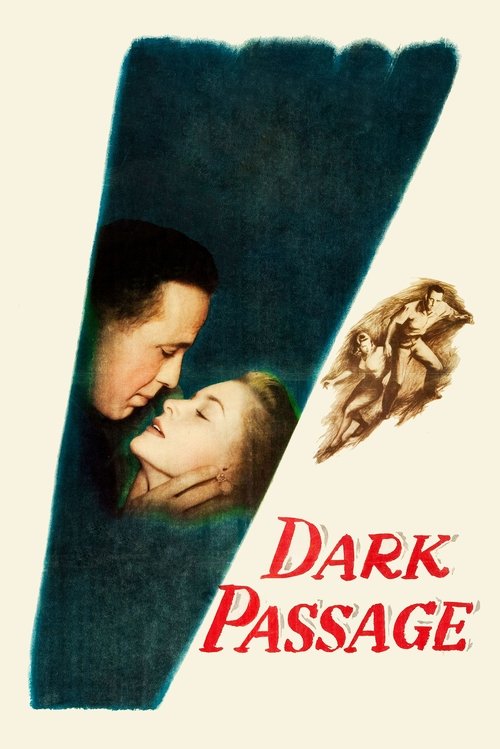
1947

1945
No reviews yet. Be the first to share your thoughts on this movie!
Use the rating form above to leave a star rating and optional review.