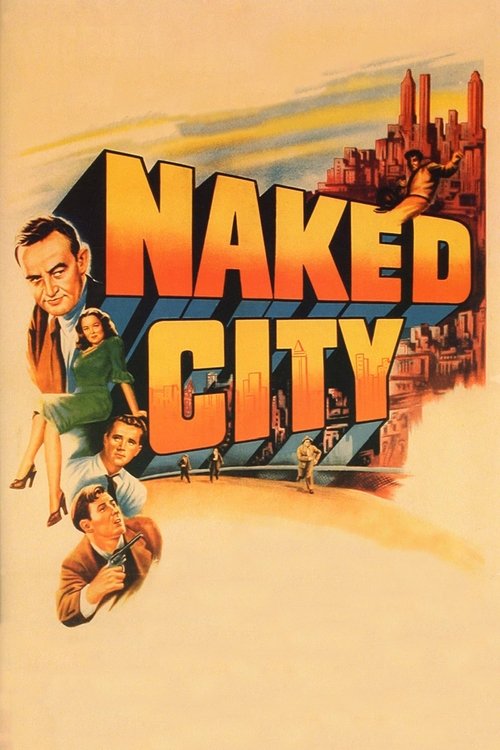
The Naked City
1948
No user ratings available yet
Representation score: 3.1 out of 10
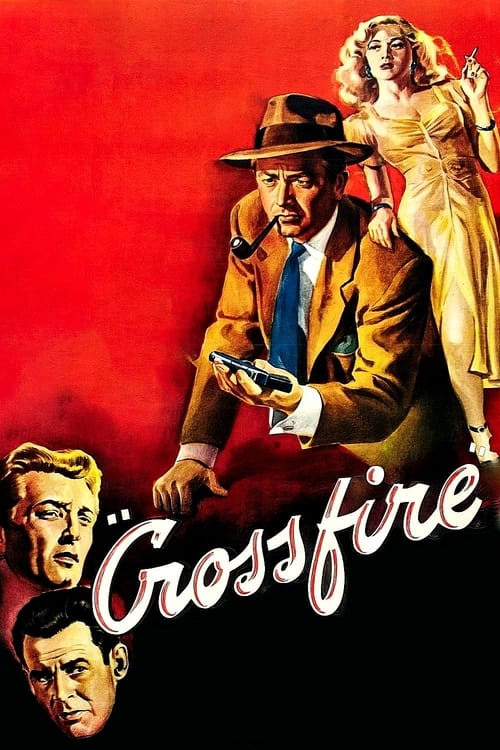
Representation Score
Limited
1947
NRDirector
Edward Dmytryk
Runtime
86 minutes
Average Rating
No ratings yetNew Showbiz Analysis
Crossfire is a film that balances the demographic constraints of the 1940s with a sophisticated intellectual framework. While it adheres to the era's patriarchal and segregated social structures, it uses these very boundaries to critique systemic judgment. The film's true strength lies in its deconstruction of moral absolutes. Rather than a straightforward crime story, it delves into the tension between institutional law and the narrow-mindedness of religious communities. This move from binary morality to a more nuanced perspective positions it as a precursor to modern social critiques. Ultimately, the film succeeds by questioning how communities enforce conformity, even as it remains tied to the period's racial and gender norms.
Category Breakdown
The film does not include any LGBTQ+ characters or non-straight relationships, sticking closely to the social norms of 1947.
Men primarily drive the investigation, while women play important roles as emotional support and witnesses rather than as main plot drivers.
Black characters are present but are kept on the sidelines. The film portrays a strict, segregated society typical of mid-century cinema.
The film provides a nuanced look at religious moral absolutism, challenging the simplistic 'good vs. evil' dichotomy by showing the complexity of human behavior.
There are no significant portrayals of physical or neurodivergent disabilities in the narrative.
Present on Screen
Limited or Absent
Official Synopsis
A man is murdered, apparently by one of a group of soldiers just out of the army. But which one? And why?
1948
1944
1946
1942
1944
1940

1944
1948
No reviews yet. Be the first to share your thoughts on this movie!
Use the rating form above to leave a star rating and optional review.