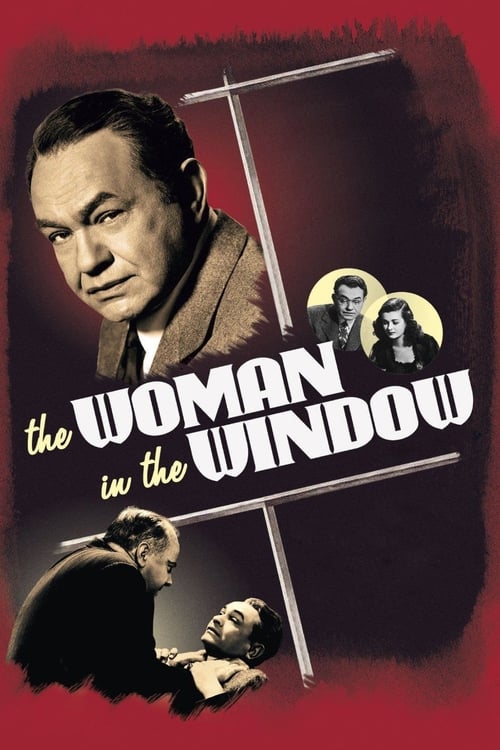
The Woman in the Window
1944
No user ratings available yet
Representation score: 0.6 out of 10
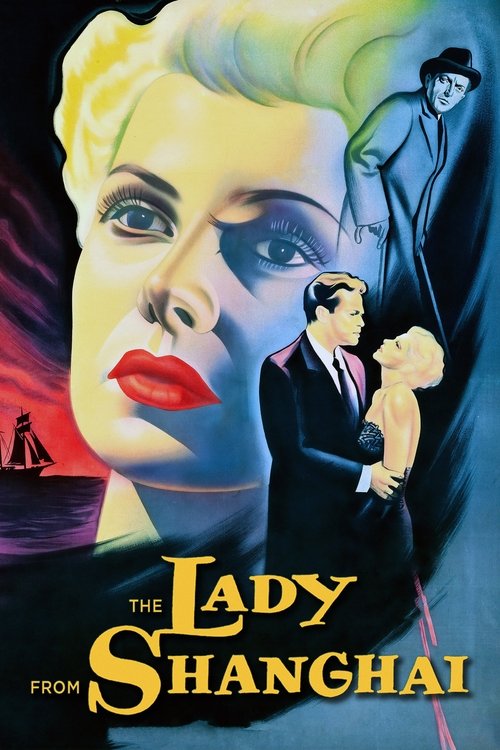
Representation Score
Minimal
1947
ApprovedDirector
Orson Welles
Runtime
87 minutes
Average Rating
No ratings yetNew Showbiz Analysis
Orson Welles creates a masterwork of psychological complexity and visual symbolism. The film excels at deconstructing the hero archetype and challenging the idea of objective reality through its cynical view of social hierarchies. However, the narrative remains confined to the demographic constraints of 1947. It lacks diverse representation, focusing almost exclusively on a narrow, homogeneous group of characters. While the film is philosophically progressive in its treatment of truth and morality, it is socially conservative in its lack of demographic inclusivity.
Category Breakdown
The film focuses on heterosexual relationships and does not include any non-assuming gender matches what was assigned at birth identities or critiques of the assumption that everyone is straight or cisgender.
Elsa is portrayed as a classic femme fatale, using her intelligence and sexuality to manipulate men. While she has a significant role in driving the story, the film presents her autonomy as morally corrupt.
The cast is primarily white and upper-class. Despite the global setting of luxury ships and international ports, the film does not explore racial or ethnic diversity.
The film offers a cynical view of the wealthy elite and moral relativism. It uses visual motifs to suggest that truth is subjective and social institutions are unreliable.
The central plot does not contain any significant or meaningful depictions of physical or neurodivergent disabilities.
Present on Screen
Limited or Absent
Official Synopsis
A romantic drifter gets caught between a corrupt tycoon and his voluptuous wife.
1944
1944
1941
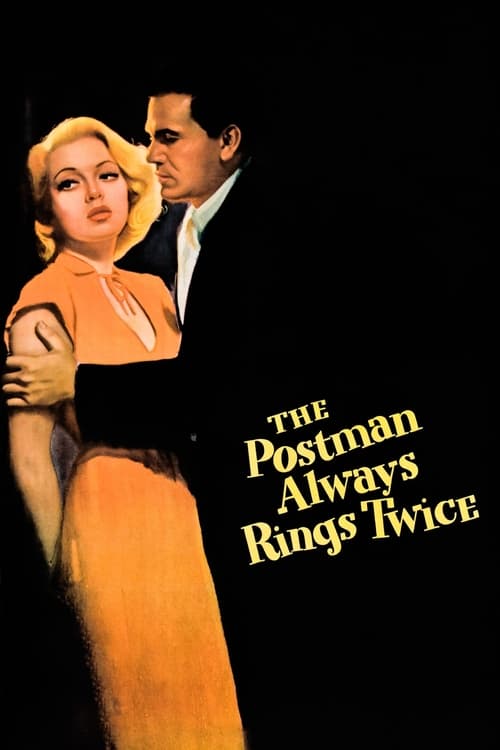
1946
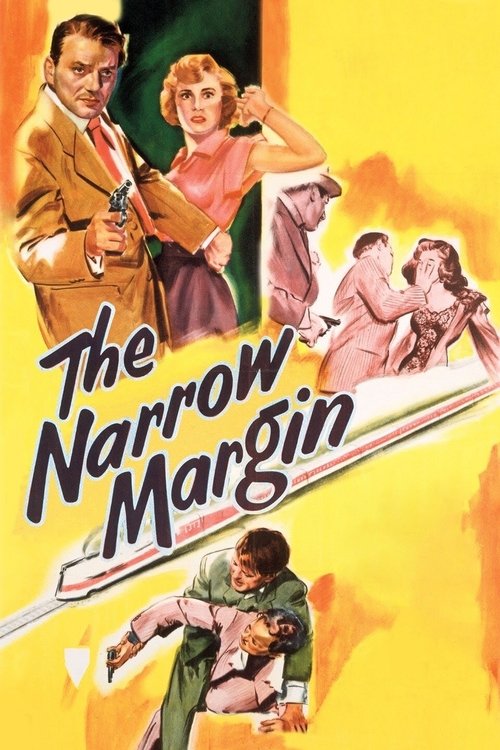
1952
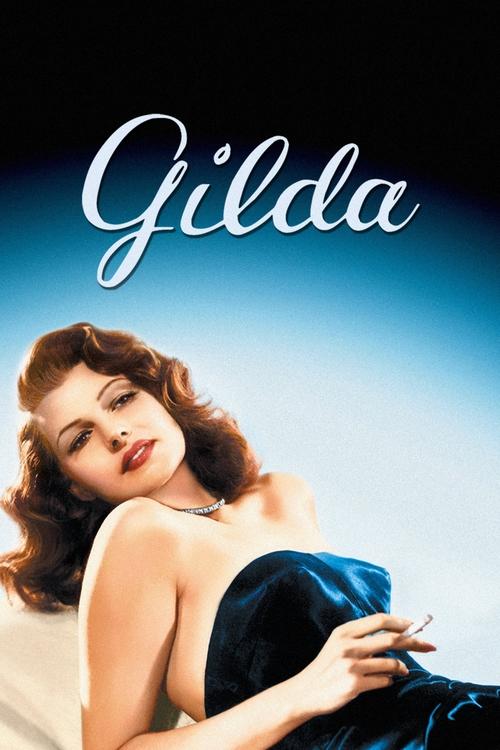
1946
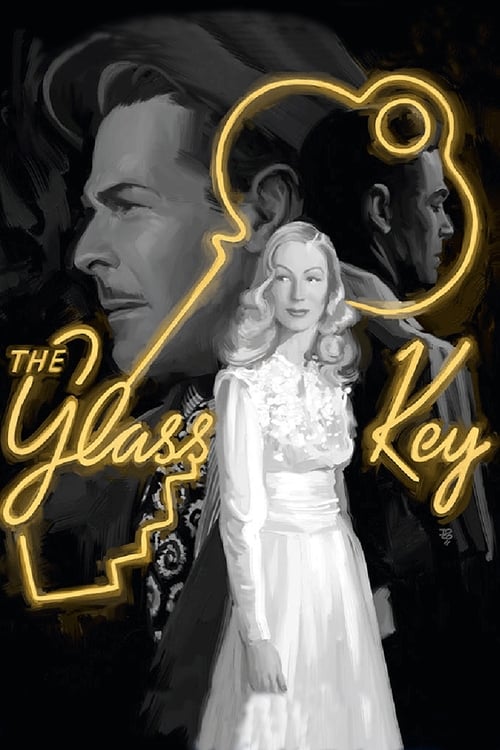
1942
1949
No reviews yet. Be the first to share your thoughts on this movie!
Use the rating form above to leave a star rating and optional review.