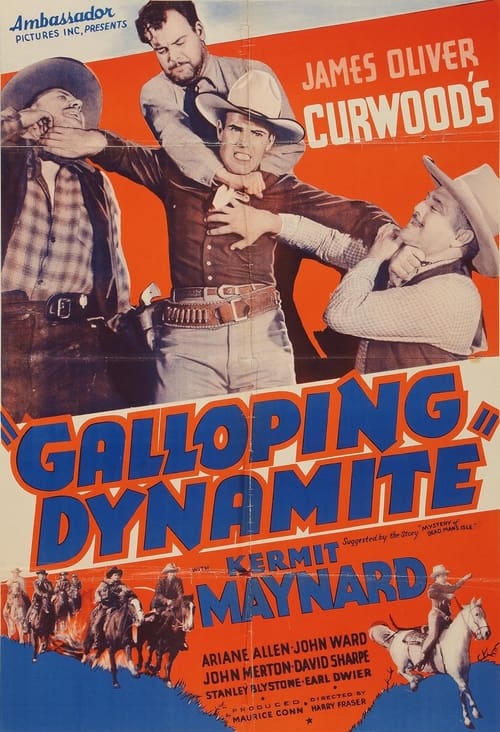
Galloping Dynamite
1937
No user ratings available yet
Diversity score: 2.3 out of 10
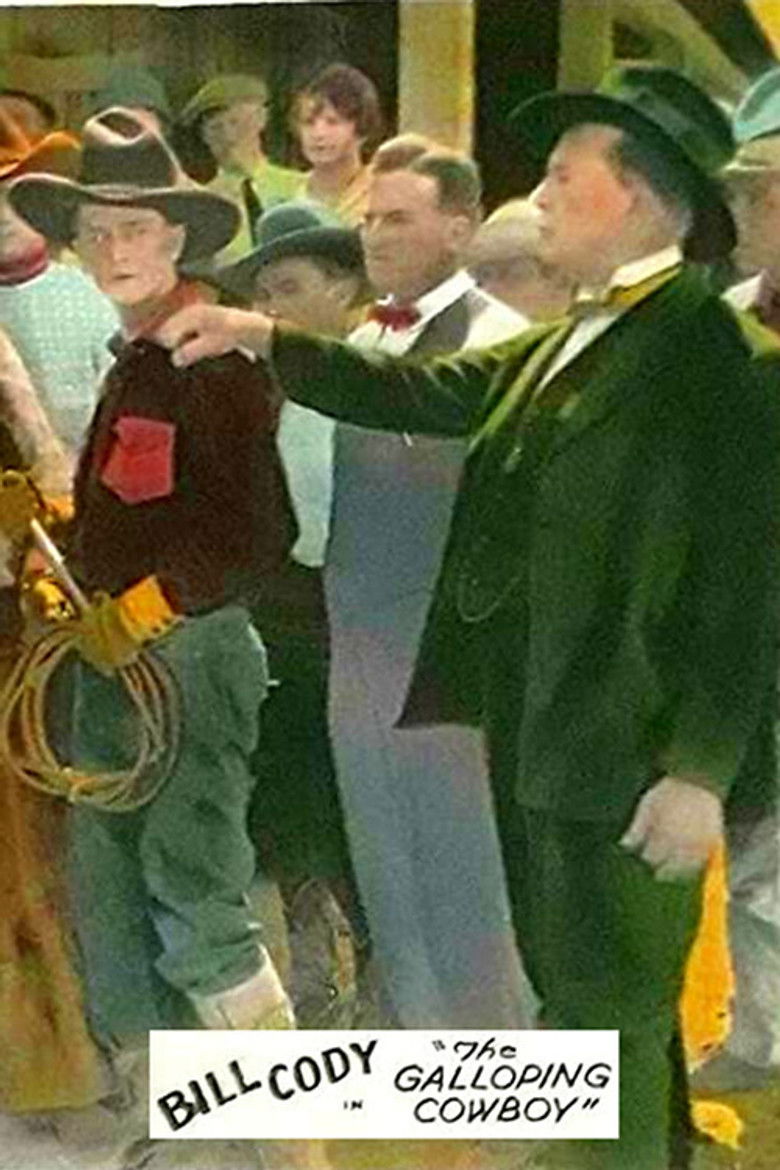
1926
PassedDirector
William James Craft
Runtime
50 minutes
Average Rating
No ratings yetSynopsis
Bill Crane is a fun-loving cowboy who likes to play pranks with an Australian bull-whip, much to the dismay of his ranch-owning uncle, Pete Perry. Bill and his cousin, Jack Perry, compete for the affections of Mary Pinkleby. Jack, unknown to Bill, is also an outlaw gang-leader, known as Poncho. The latter frames Bill as being the gang leader, and now Bill has to elude the sheriff and also prove his own innocence.
Overall Score
Minimal
Category Breakdown
LGBTQ+ Representation
The plot centers on a heteronormative romantic rivalry between two male cousins. No non-cisnormative identities or critiques of traditional social structures are present.
Gender Representation
Mary Pinkleby serves primarily as a romantic prize and plot catalyst. Masculinity is defined through comedic competence and outlaw archetypes typical of the era.
Racial & Ethnic Diversity
The narrative focuses on Anglo-centric familial structures and ranching life. The setting suggests a homogeneous frontier environment without visible ethnic diversity.
Religious & Cultural Diversity
The film reinforces traditional Western frontier values like property and reputation. It utilizes established institutions as a backdrop rather than offering any social critique.
Disability Representation
There is no evidence of characters with physical or neurodivergent disabilities. The story lacks any engagement with impairment or disability.
Strengths
Areas for Improvement
AI Analysis
The film is a standard silent-era Western comedy that relies heavily on established genre tropes. It follows a predictable structure of familial rivalry and romantic competition, prioritizing slapstick and situational irony over social depth. Because the narrative is built around traditional archetypes—the fun-loving cowboy, the deceptive relative, and the female object of affection—it lacks the complexity to challenge social norms. The film functions as a conventional genre exercise of its time. Ultimately, the work reflects the social landscape of the 1920s, offering a homogeneous view of the American frontier that lacks intersectional perspectives or nuanced representation.
1937
1930
1920
1926
1932
1934
1937
1935

1933
1926
1931
1918
No reviews yet. Be the first to share your thoughts on this movie!
Use the rating form above to leave a star rating and optional review.