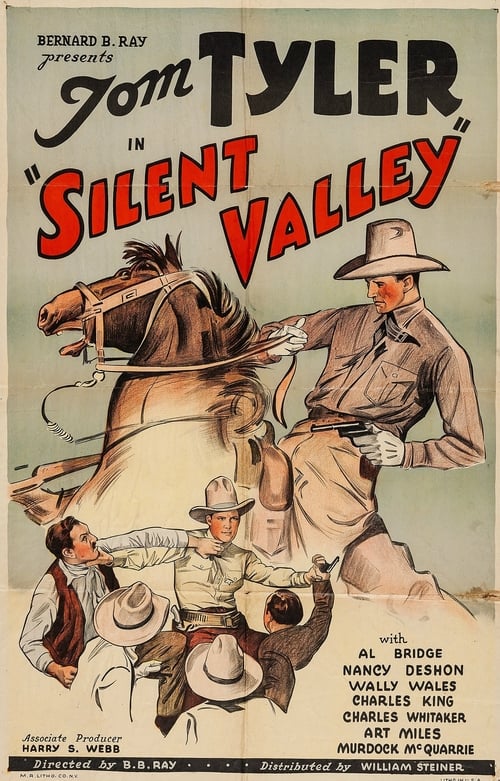
Silent Valley
1935
No user ratings available yet
Representation score: 1.6 out of 10
Representation Score
Minimal
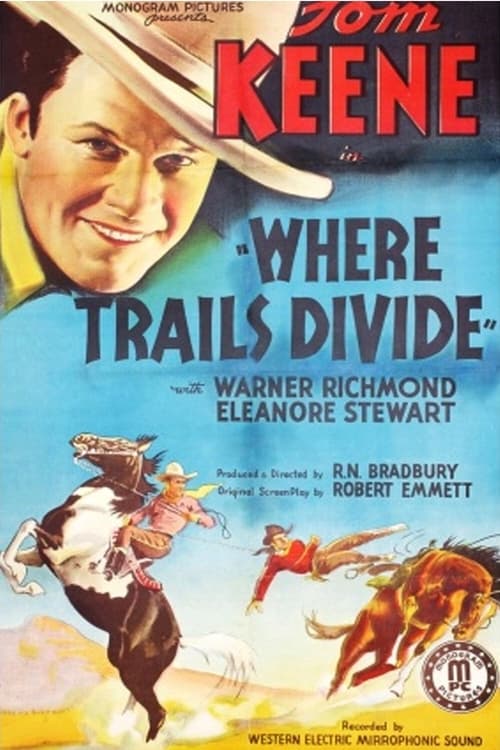
1937
PassedDirector
Robert N. Bradbury
Runtime
60 minutes
Average Rating
No ratings yetNew Showbiz Analysis
Where Trails Divide is a quintessential 1930s B-Western that emphasizes rigid moral binaries and reinforces established social hierarchies. The narrative centers on a singular masculine protagonist restoring order through frontier justice, offering no disruption to the era's prevailing social norms. The film serves as a traditionalist text, validating established hierarchies of gender, race, and authority. It lacks the complexity needed for meaningful characters who reflect more than one aspect of diversity, functioning primarily as a straightforward vehicle for standard frontier storytelling. Ultimately, the work operates within a framework that celebrates institutional stability and the sanctity of law, providing a narrow view of the American West.
Category Breakdown
The film does not include any visible representation of LGBTQ+ identities. It focuses exclusively on traditional masculine dynamics and standard romantic archetypes.
Gender roles adhere strictly to traditional hierarchies. The narrative centers on male characters taking a leading role, while female characters remain in supportive, peripheral positions.
The production features a predominantly white cast typical of 1930s Westerns. It lacks depth in addressing the racial complexities of the frontier.
The story upholds traditional Western values such as law and property. It celebrates foundational frontier myths without questioning established institutions.
There are no notable depictions of physical, sensory, or neurodivergent identities. Characters are defined by the physical capabilities necessary for action-oriented roles.
Present on Screen
Limited or Absent
Official Synopsis
Tom Allen comes to Rawhide to open a law office. But he becomes the Sheriff instead and goes after Wilson and his outlaw gang hoping his brother Billy is not one of them.
1935
1958
1953
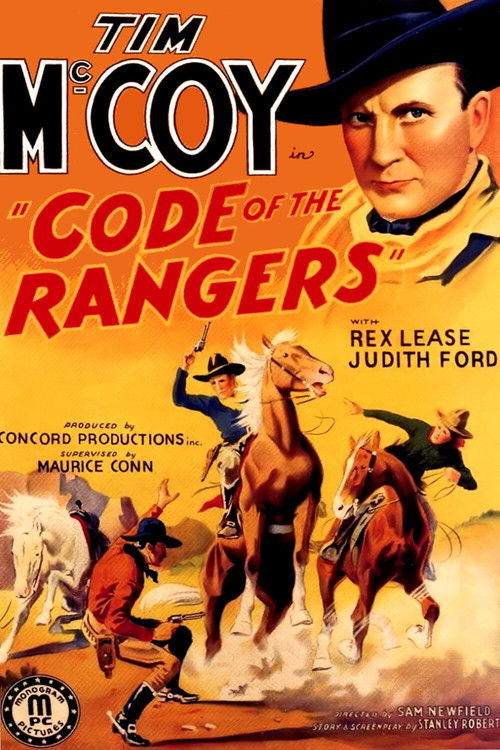
1938
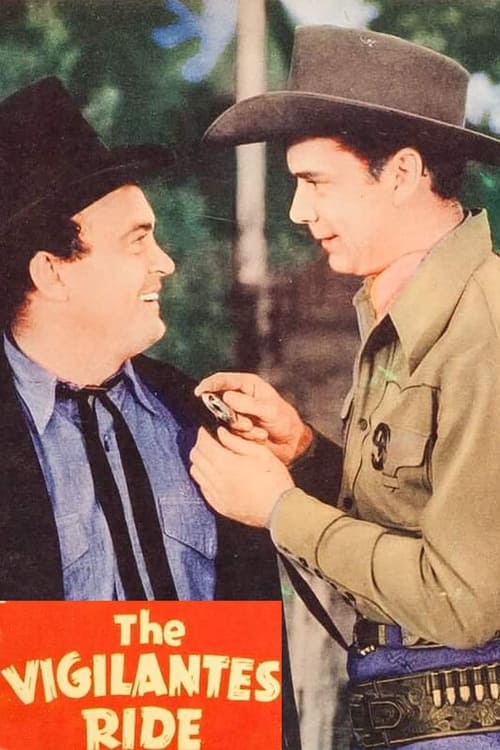
1943
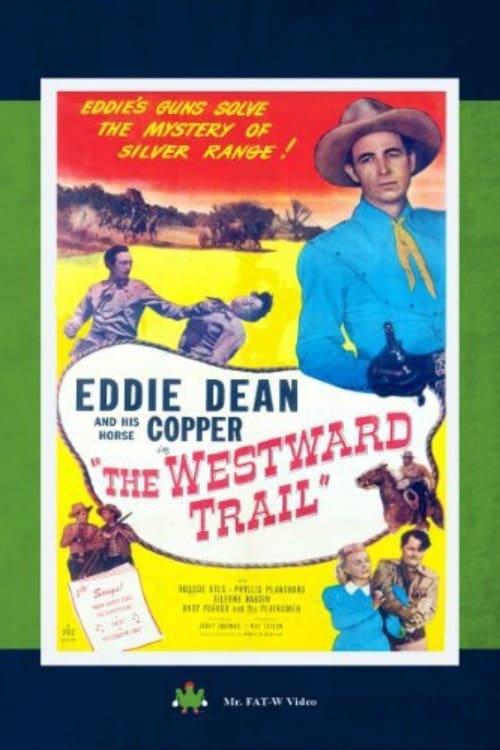
1948

1939
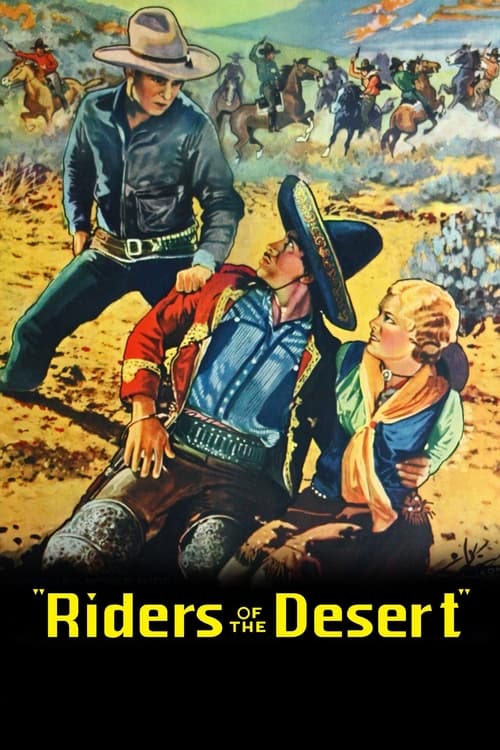
1932
No reviews yet. Be the first to share your thoughts on this movie!
Use the rating form above to leave a star rating and optional review.