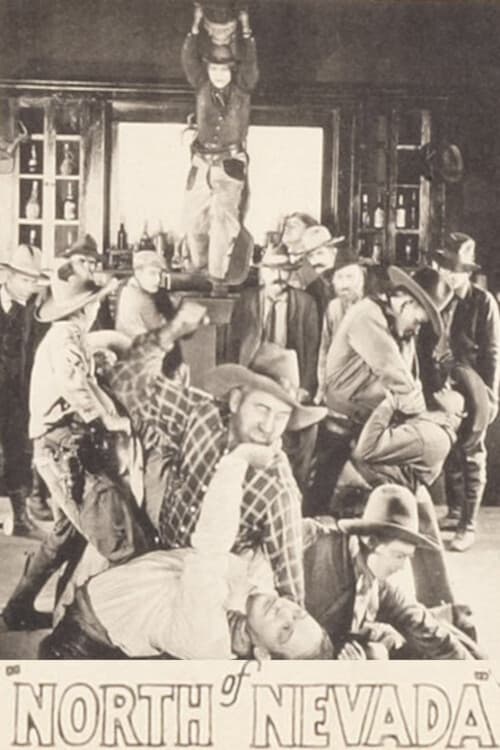
North of Nevada
1924
No user ratings available yet
Representation score: 1.4 out of 10
Representation Score
Minimal
1926
PassedDirector
Clifford Smith
Runtime
72 minutes
Average Rating
No ratings yetNew Showbiz Analysis
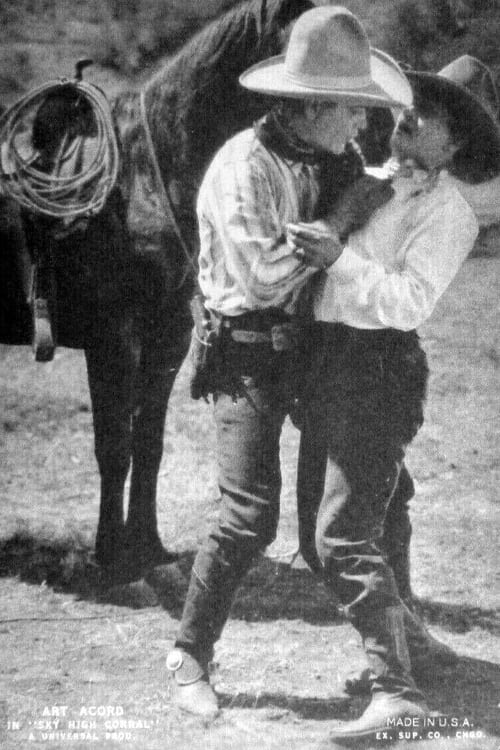
Sky High Corral is a typical silent-era Western that follows the genre conventions of its time. The narrative centers on a traditional conflict between a forest ranger and a rancher, using this conflict as a backdrop for a conventional romance. The film does not disrupt social or cultural norms. It upholds the era's established hierarchies, focusing on Anglo-Saxon protagonists and patriarchal structures that prioritize property rights and federal authority over diverse perspectives. Overall, the film operates as a standard genre piece of its time. It lacks representation for LGBTQ+ individuals, diverse racial groups, or characters with disabilities, reflecting the limited social scope of 1920s frontier cinema.
Category Breakdown
The film does not depict any non-straight relationships. The story follows a typical love story between the male lead and the female lead.
Shasta's role is mainly as a romantic interest within a male-dominated storyline. Her actions seem centered around domestic concerns rather than having her own independent goals.
The film likely reflects the homogeneous casting practices of the 1920s. It centers on traditional Western characters without showing any diverse casting.
The plot emphasizes traditional views on law and land ownership. The tension between ranching and federal authority serves as a typical dramatic conflict.
There are no characters with visible or invisible disabilities. Disability is not used as a part of the story.
Present on Screen
Limited or Absent
Official Synopsis
When the Government incorporates Bill Hayden's ranch into a Federal game preserve, Jack McCabe, a forest ranger, is sent to serve an eviction notice on Hayden and his daughter, Shasta. Hayden resists the order, and Jack falls in love with Shasta.
1924
1940
1925
1926
1928
1928
1930
1922
No reviews yet. Be the first to share your thoughts on this movie!
Use the rating form above to leave a star rating and optional review.