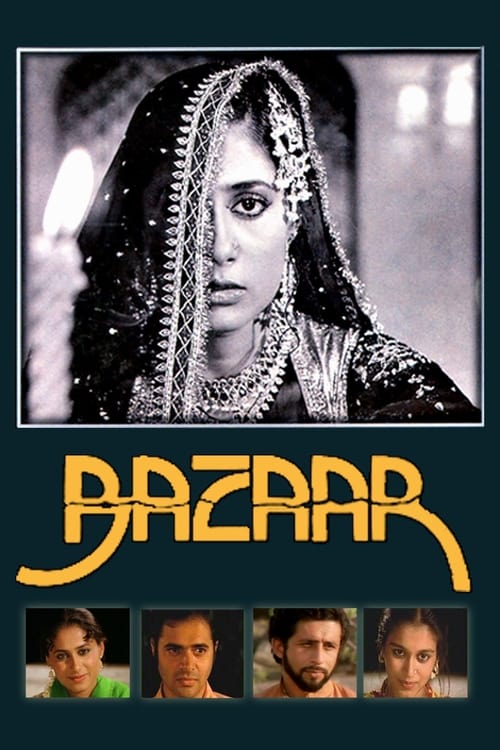
Bazaar
1982
No user ratings available yet
Diversity score: 4.9 out of 10

1943
Director
Gyan Mukherjee
Runtime
143 minutes
Average Rating
No ratings yetSynopsis
A former theater owner and his crippled daughter live in poverty until a chance encounter with a young pickpocket brings romance for the petty criminal and daughter as well as a chance by the father to get back at the villainous new theater owner who ousted him from the business years before.
Overall Score
Fair
Category Breakdown
LGBTQ+ Representation
The film follows a conventional romantic trajectory between the protagonist and the female lead. There is no evidence of non-cisnormative gender identities or narratives that critique heteronormativity.
Gender Representation
Gender hierarchies remain standard for the 1940s. While the female lead is central to the emotional stakes, the male protagonist drives the suspense and criminal elements of the plot.
Racial & Ethnic Diversity
The film features a predominantly South Asian cast, providing high ethnic authenticity. It successfully centers non-Western identities by focusing on local socioeconomic struggles and urban Indian life.
Religious & Cultural Diversity
The narrative explores moral ambiguity through a protagonist who is a petty criminal. This introduces moral relativism, though the film remains grounded in the social realities of its time.
Disability Representation
A crippled daughter provides visibility for physical disability. However, she functions primarily as a symbol of socioeconomic hardship and a catalyst for the protagonist's motivations.
Strengths
Areas for Improvement
AI Analysis
Kismet serves as a foundational piece of South Asian urban noir, excelling in its ethnic centering. By presenting a robustly South Asian narrative during an era of colonial hegemony, it provides significant cultural authenticity. The film's strength lies in its departure from pure morality. The protagonist's criminal background allows for a nuanced exploration of social survival and situational ethics. However, the film relies on traditional tropes regarding gender and disability. Female characters often serve as symbols of vulnerability rather than independent agents of change.
1982
1957
1928

1937
2004
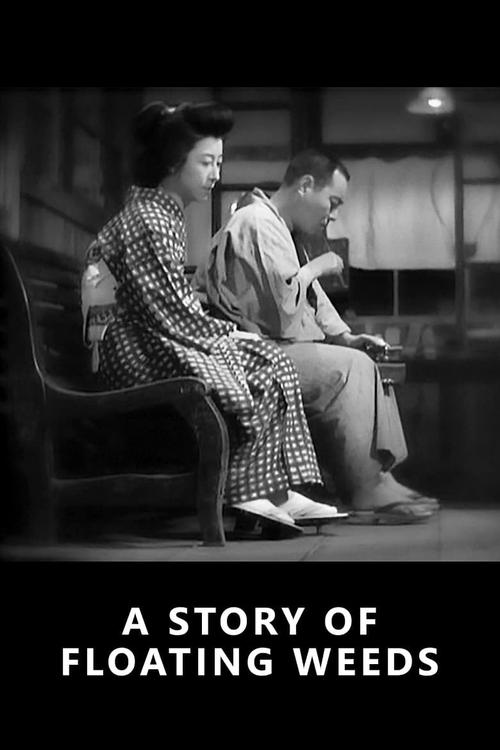
1934
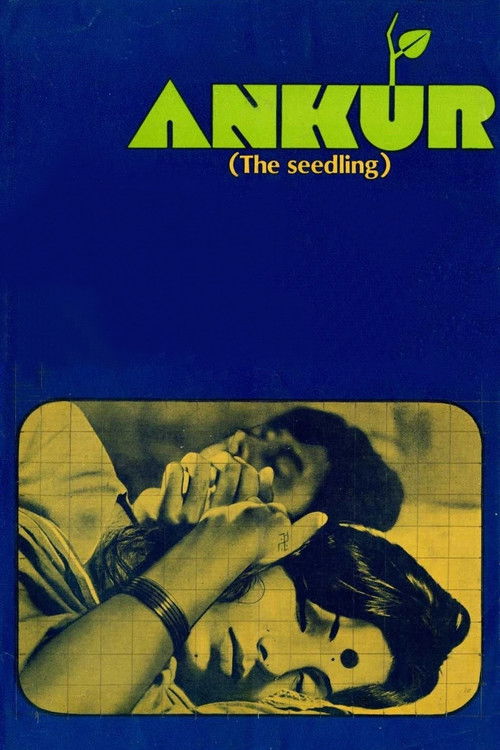
1974
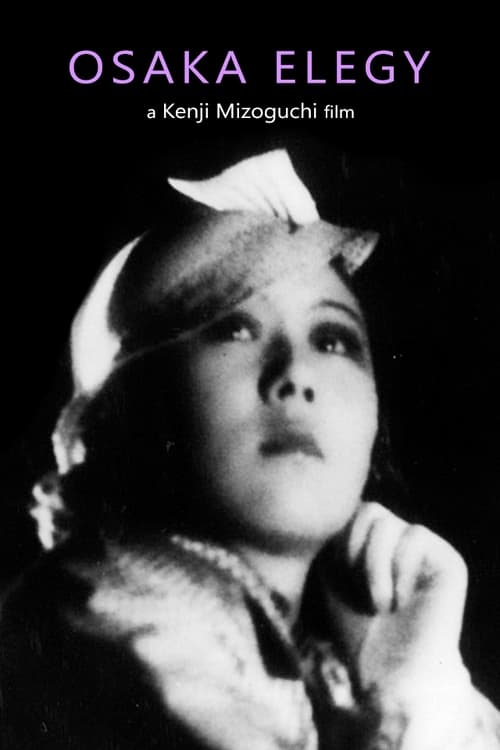
1936

2017
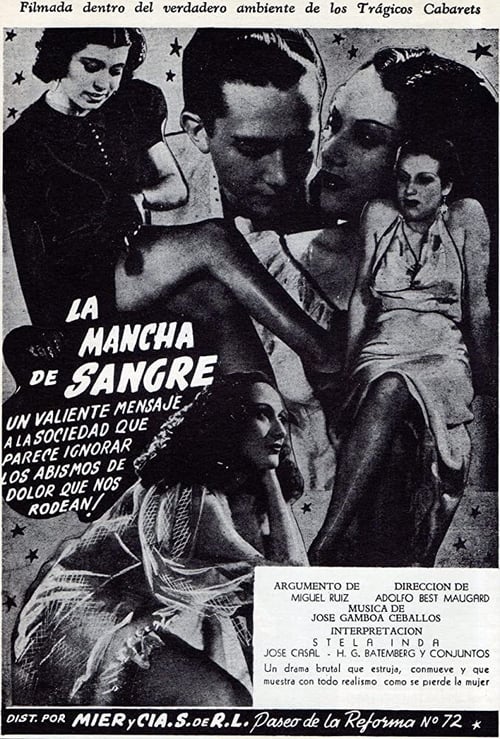
1943

1999
1948
No reviews yet. Be the first to share your thoughts on this movie!
Use the rating form above to leave a star rating and optional review.