Bumm Bumm Bole
2010
No user ratings available yet
Representation score: 4.1 out of 10
Representation Score
Minimal
2004
Not RatedDirector
Hari
Runtime
160 minutes
Average Rating
No ratings yetNew Showbiz Analysis
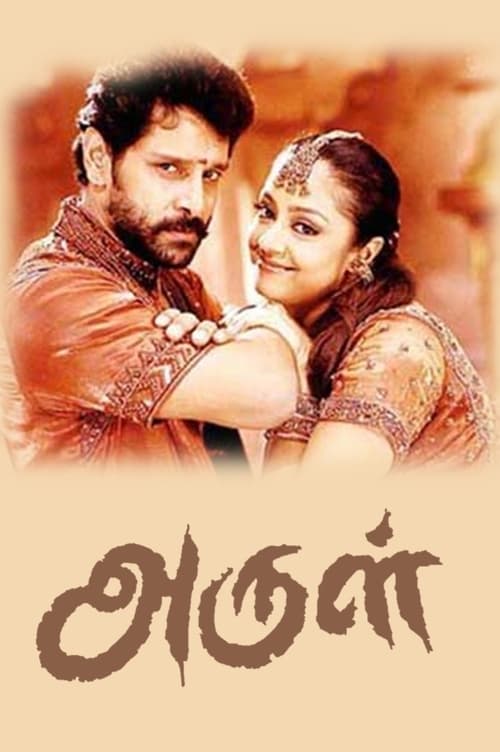
Arul is a prime example of early 2000s regional commercial cinema, emphasizing established cultural archetypes and traditional storytelling structures over progressive social critiques. The narrative reinforces traditional family structures and masculine heroism. While it offers authentic cultural immersion within a South Indian context, it lacks intentional characters who reflect more than one aspect of diversity. Ultimately, the film relies on personal vigilante justice and conventional gender roles, placing it firmly within a traditional rather than subversive narrative framework.
Category Breakdown
The film does not include any LGBTQ+ characters or non-straight identities. The romantic subplot follows a typical heterosexual storyline between Arul and Kanmani.
Gender roles adhere to traditional hierarchies. Arul drives the plot through physical actions, while Kanmani’s role focuses on domestic and romantic aspects.
The cast is culturally uniform, reflecting the South Indian setting. It provides authentic representation of the Tamil community and its unique socioeconomic conditions.
The story highlights family honor and religious settings such as temples. It emphasizes communal respect and traditional authority within the social structure.
No visible or invisible disabilities are portrayed in the main character arcs. Disability is not a central theme.
Present on Screen
Limited or Absent
Official Synopsis
Arul, who works in a mill, is the youngest of four brothers in a family of goldsmiths. Once, Arul's brother stole a chain due to financial circumstances. As Arul had taken the blame for it, he was labelled as a "thief" and seen as a black sheep by his father. Thus, he vows never to make a gold ornament ever again. Kanmani, who moves into the opposite house, begins by playing tricks on him, but eventually falls for his character. Arul doesn't believe in love, and keeps his distance from her. One day, when Arul's father scolds him in the temple,
2010
2007
2012
2005

2000
1993
2006
2004
No reviews yet. Be the first to share your thoughts on this movie!
Use the rating form above to leave a star rating and optional review.