
Bioscopewala
2018
No user ratings available yet
Representation score: 5.8 out of 10
Representation Score
Limited
1957
Director
Tapan Sinha
Runtime
116 minutes
Average Rating
No ratings yetNew Showbiz Analysis
Tapan Sinha’s adaptation of Tagore’s work is a humanistic exploration of cross-cultural understanding. It challenges social hierarchies by focusing on a underrepresented migrant worker as the emotional heart of the story. The film successfully provides the Afghan protagonist who play a significant role in driving the story and a rich inner life. This avoids the cliché of the 'exotic stranger,' emphasizing human connection over ethnic differences. Though lacking in contemporary identity politics or queer representation, the film’s portrayal of the migrant experience is progressive. It uses the intersection of diverse cultures to explore universal paternal instincts.
Category Breakdown
The film does not depict LGBTQ+ identities or queer narratives. Relationships focus solely on fatherly bonds and friendships.
The film follows many traditional gender roles typical of its time. However, it challenges stereotypical masculinity by showing the protagonist's emotional side and vulnerability.
The film excels in showcasing the complexities of cultural differences. It centers an Afghan migrant in Bengali society, exploring the 'other' through nuanced interactions.
The film addresses themes of migration and border fluidity. It portrays the protagonist's struggles through systemic displacement and paternal desperation.
There are no central depictions of physical or neurodivergent disabilities in the narrative.
Present on Screen
Limited or Absent
Official Synopsis
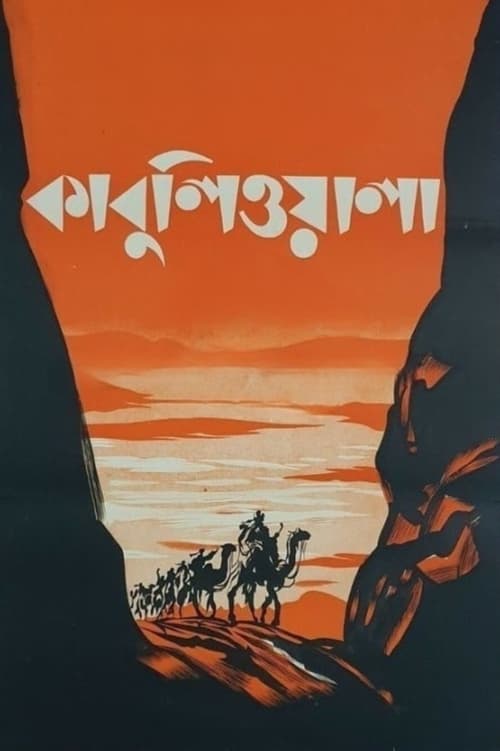
Rahmat, a middle-aged fruit seller from Afghanistan, comes to Calcutta to hawk his merchandise and befriends a small Bengali girl called Mini who reminds him of his own daughter back in Afghanistan. One day Rehmat receives news of his daughter’s illness and decides to return to Afghanistan. But before he goes a violent fight with a customer leads to Rehmat killing him. He gets out of prison ten years later. Based on a Rabindranath Tagore story.
2018
1959
2008
1955
1974

2005
1971

1965
No reviews yet. Be the first to share your thoughts on this movie!
Use the rating form above to leave a star rating and optional review.