Gunfighters
1947
No user ratings available yet
Diversity score: 2.3 out of 10
1949
NRDirector
Lewis R. Foster
Runtime
103 minutes
Average Rating
No ratings yetSynopsis
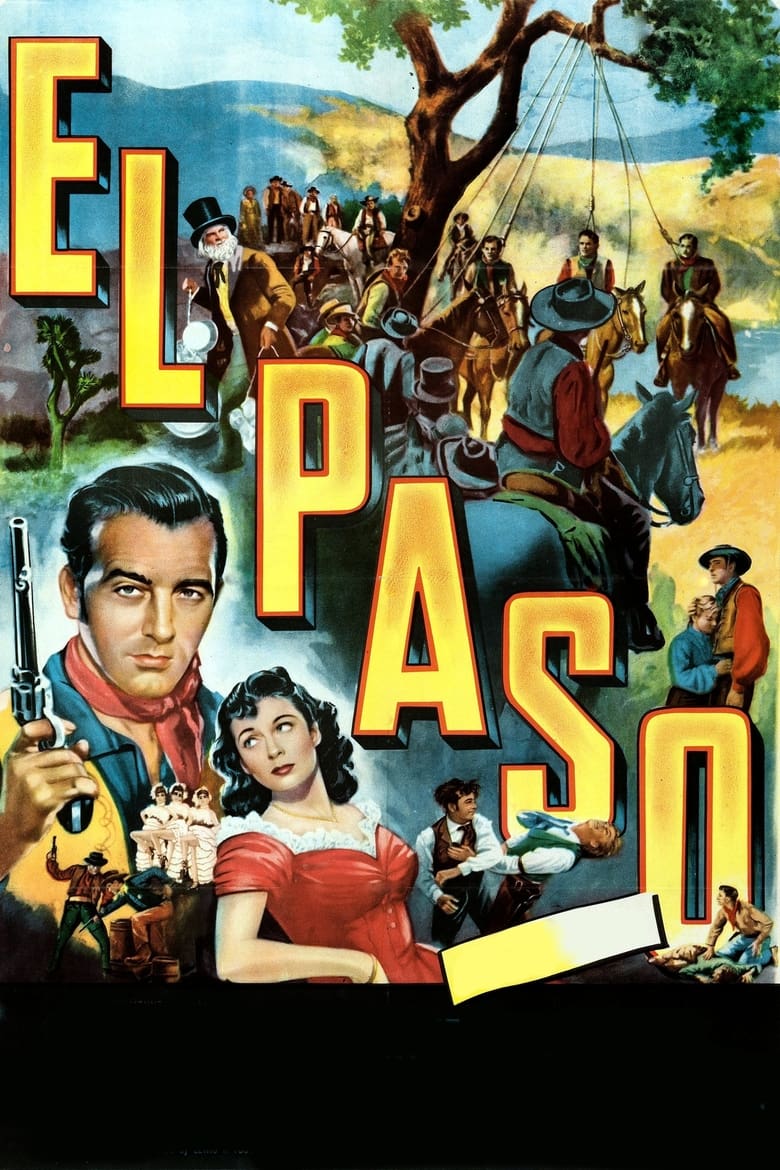
Ex-confederate officer Clay Fletcher jumps at the chance to reunite with his once lady-friend, Susan Jeffers, when his father, Judge Fletcher, sends him on an errand to El Paso, Texas to get the signature of Susan's father, Judge Jeffers, on a legal document. Once there he finds the judge has become a drunk and a laughing stock, doing the bidding of local magnate Bert Donner and his running dog, Sheriff La Farge. Just as Clay starts straightening out the town's problems, events occur which force him to abandon the legal system and instead adopt the murderous tactics of a vigilante.
Overall Score
Limited
Category Breakdown
LGBTQ+ Representation
The film lacks any evidence of non-cisnormative identities or same-sex intimacy. It adheres to the heteronormative romantic standards typical of mid-century Western cinema.
Gender Representation
Agency is concentrated in male characters like Clay Fletcher and the local antagonists. While Susan Jeffers is a central figure, she functions primarily as a catalyst for the male protagonist's journey.
Racial & Ethnic Diversity
The narrative follows a standard 1940s Western framework centered on Anglo-Saxon power structures. There is no indication of a diverse or non-white cast within the story.
Religious & Cultural Diversity
The film focuses on individualistic justice through vigilantism rather than systemic critique. It utilizes standard genre tropes instead of exploring diverse social or secular ideals.
Disability Representation
There is no documented evidence regarding the inclusion of characters with physical or neurodivergent disabilities.
Strengths
Areas for Improvement
AI Analysis
El Paso is a conventional 1949 Western that reinforces the social hierarchies of its era. The story prioritizes male-driven conflict and traditional gender roles, with women serving as motivations rather than active agents. The film lacks racial and LGBTQ+ diversity, operating within a narrow Anglo-centric framework. It relies on established genre tropes, such as the transition from legal order to individualistic vigilantism, to resolve its central conflicts. Ultimately, the work functions as a standard period piece that upholds traditional power structures rather than subverting them.
1947
1948

1948
1953
1950
1949
1948
1951
1923
1935
1932

1948
No reviews yet. Be the first to share your thoughts on this movie!
Use the rating form above to leave a star rating and optional review.