Hellfire
1949
No user ratings available yet
Diversity score: 2.9 out of 10
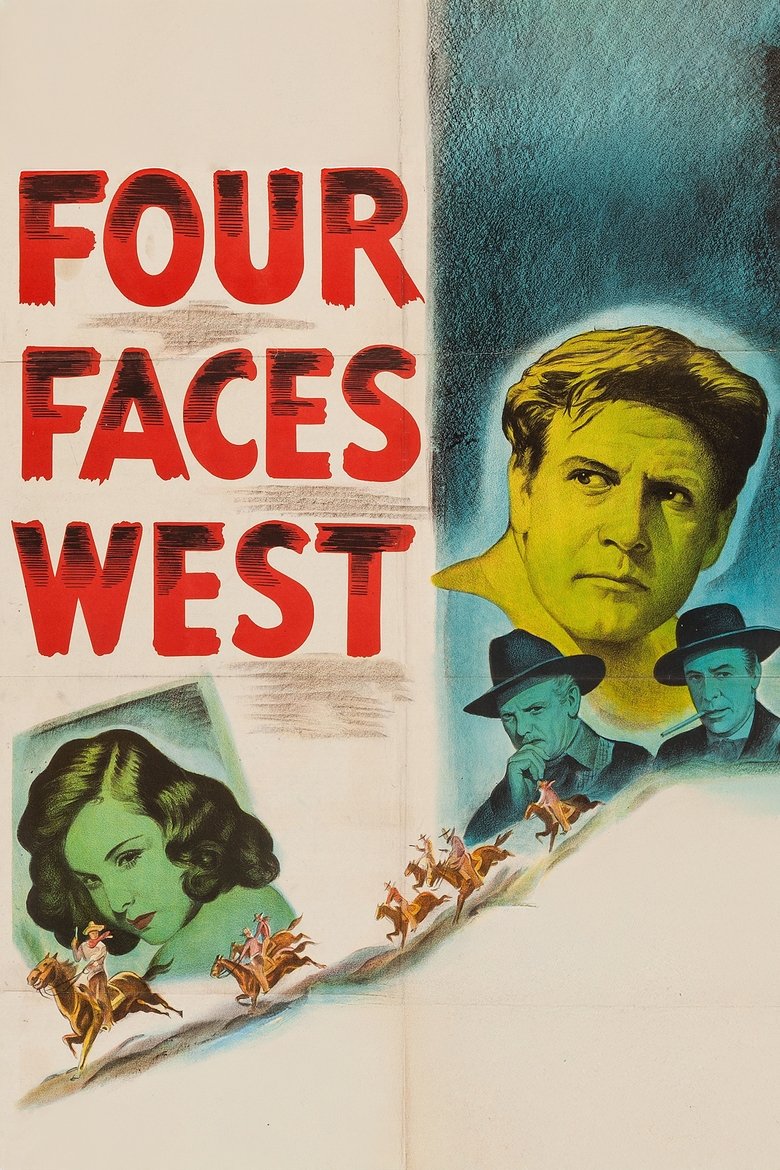
1948
NRDirector
Alfred E. Green
Runtime
89 minutes
Average Rating
No ratings yetSynopsis
Cowboy Ross McEwen arrives in town. He asks the banker for a loan of $2000. When the banker asks about securing a loan that large, McEwen shows him his six-gun collateral. The banker hands over the money in exchange for an I.O.U., signed "Jefferson Davis". McEwen rides out of town and catches a train, but not before being bitten by a rattler. On the train, a nurse, Miss Hollister, tends to his wound. A posse searches the train, but McEwen manages to escape notice. However a mysterious Mexican has taken note of the cowboy, and that loudmouthed brat is still nosing around. Who will be the first to claim the reward for the robber's capture?
Overall Score
Limited
Category Breakdown
LGBTQ+ Representation
The film contains no visible LGBTQ+ characters or non-cisnormative identities. It operates within a strictly heteronormative framework typical of the 1948 Western genre.
Gender Representation
Female characters like Miss Hollister and Jane Greer's role function as caregivers or romantic interests. They lack the agency to disrupt the masculine-driven narrative centered on the cowboy.
Racial & Ethnic Diversity
The cast is predominantly white, reflecting mid-century cinematic norms. A 'mysterious Mexican' appears, but functions more as a peripheral plot device than a nuanced character.
Religious & Cultural Diversity
The film reinforces traditional Western values of individual redemption and law. While a false religious persona is used, the narrative ultimately steers toward a standard moral resolution.
Disability Representation
There are no significant depictions of visible or invisible disabilities. A rattlesnake bite serves as a plot catalyst rather than a study of chronic illness or neurodivergence.
Strengths
Areas for Improvement
AI Analysis
Four Faces West is a conventional genre piece that adheres to the social and cinematic constraints of 1948. The narrative architecture prioritizes traditional hierarchies and standard gender roles over intersectional complexity. The film relies on established archetypes, particularly regarding gender and race. While it introduces minor subversions, such as a protagonist using a false religious persona, these elements do not challenge the underlying systemic structures of the setting. Ultimately, the work functions as a standard representation of the mid-century American Western, focusing on individualist morality and the pursuit of justice within a predominantly white, heteronormative framework.
1949
1948
1940
1948
1947
1933
1933
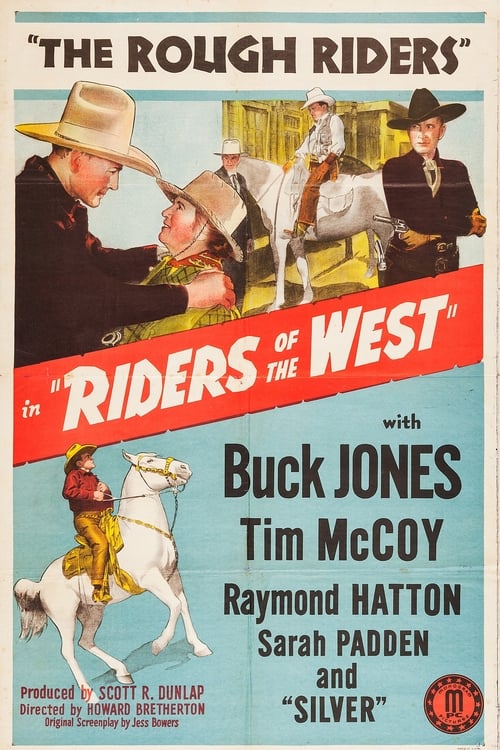
1942
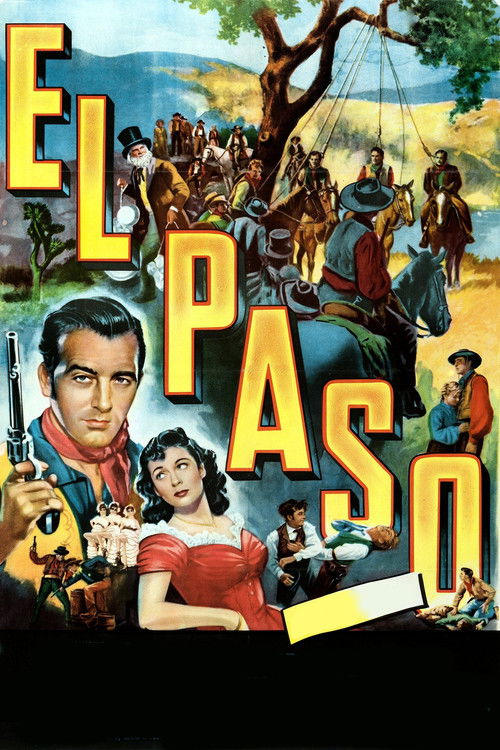
1949
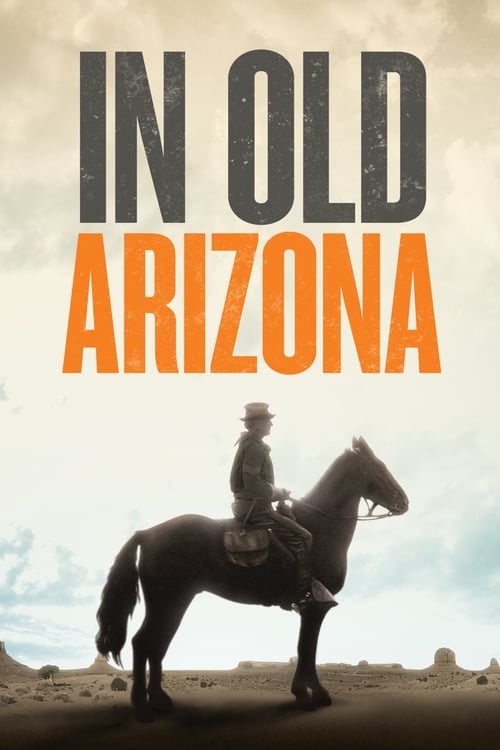
1928
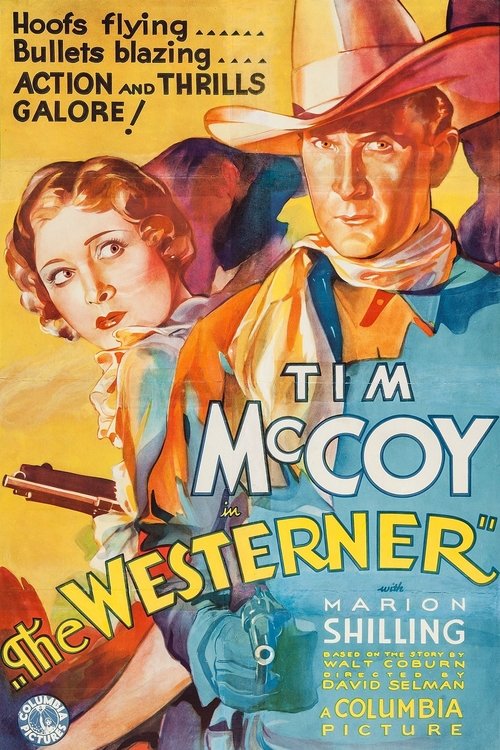
1934
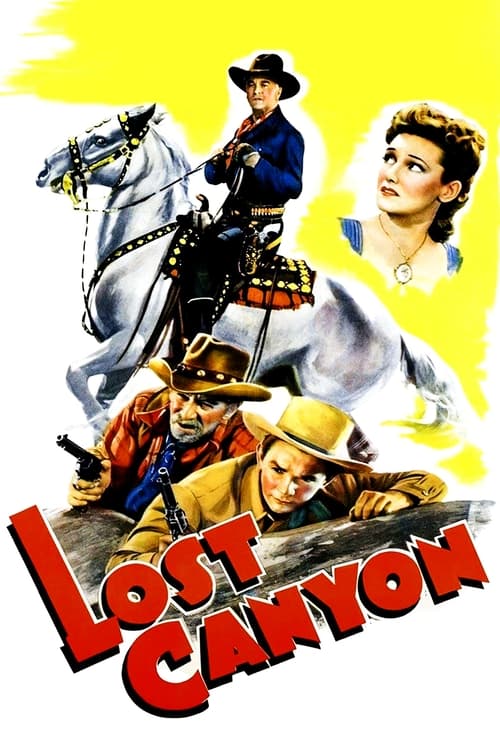
1942
No reviews yet. Be the first to share your thoughts on this movie!
Use the rating form above to leave a star rating and optional review.