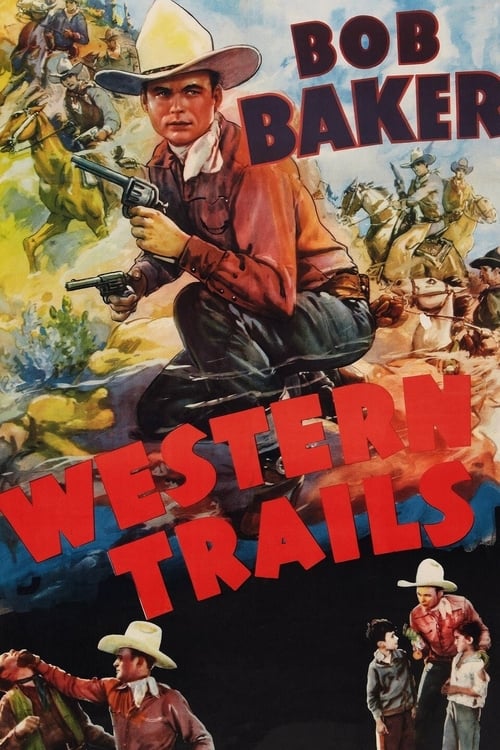
Western Trails
1938
No user ratings available yet
Representation score: 0.4 out of 10
Representation Score
Minimal
1947
NRDirector
George Waggner
Runtime
88 minutes
Average Rating
No ratings yetNew Showbiz Analysis
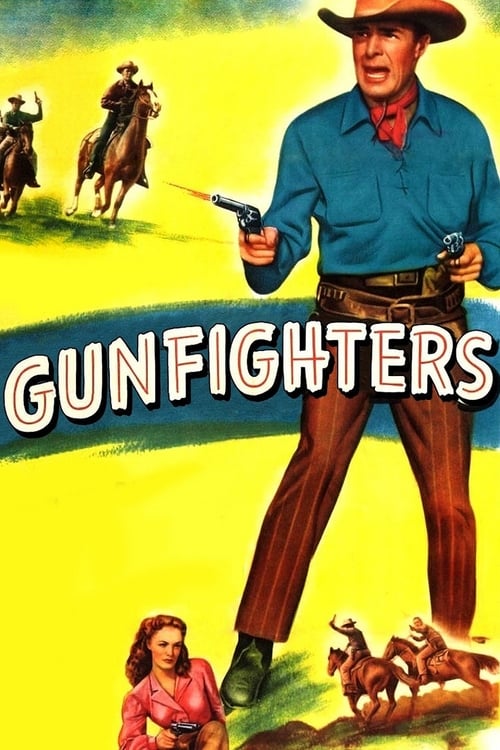
Gunfighters is a quintessential 1947 Western that prioritizes established genre clichés over subversive storytelling. The narrative structure reinforces mid-century social hierarchies, focusing on frontier justice and traditional masculine leadership. The film lacks complexity in representing multiple aspects of identity, presenting a streamlined view of the American West. It centers on the interpersonal conflicts of settlers and lawmen without challenging systemic norms or including diverse ethnic or identity-based perspectives.
Category Breakdown
The film follows a strictly straight-centered framework. There are no depictions of non-binary gender identities or same-sex relationships among the characters.
Female characters like Jane and Bess Bannister exercise some influence through social manipulation. However, the story remains centered on male-driven conflict and physical prowess.
The cast is largely homogeneous, focusing on Anglo-Saxon experiences. The narrative lacks diverse ethnic perspectives or significant color-blind casting.
The story reinforces traditional Western values of justice and individual responsibility. It adheres to a moral binary common to the B-Western genre.
The narrative focuses on able-bodied protagonists. There is no evidence of characters with visible or invisible disabilities integrated into the story.
Present on Screen
Limited or Absent
Official Synopsis
Gunfighter "Brazos" Kane lays aside his guns "forever" when he is forced to shoot his best friend, and decides to join another friend, Bob Tyrell, as a cowhand on the Inskip ranch. Upon arriving there he finds the bullet-riddled body of his friend. He carries the body to the Banner ranch, the largest in the territory, and is accused by Banner of murdering Tyrell; Banner orders Deputy Sheriff Bill Yount, who is in Banner's pay, to arrest Kane. But Kane has the sympathy of Banner's daughter, Jane, who notifies Inskip of Kane's plight, and Inskip arrives in time to prevent a lynching. Sheriff Kiscade dismisses the murder charge for lack of evidence. Brazos then sets out to find the killer of his friend. Bess Bannister, Jane's sister, is in love with the Banner ranch foreman, Bard Macky, and knowing that Bard killed Tyrell and that Kane will track him down, then hampers Kane's mission somewhat by pretending to be in love with him.
1938
1940
1950
1967
1958
1958
1935
1946
No reviews yet. Be the first to share your thoughts on this movie!
Use the rating form above to leave a star rating and optional review.