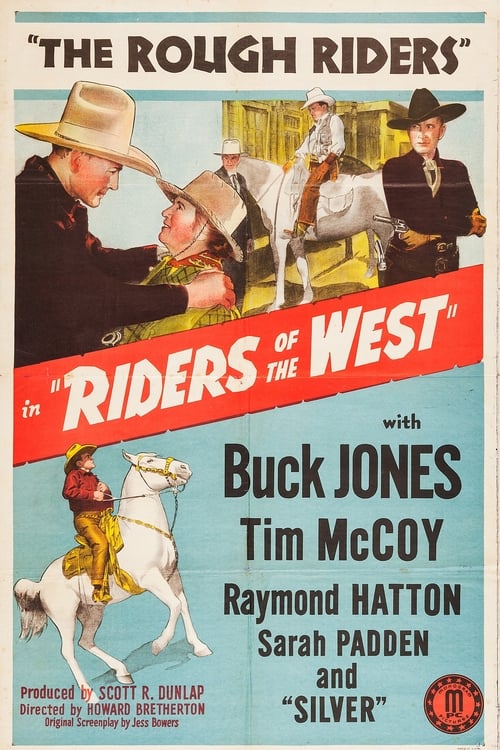
Riders of the West
1942
No user ratings available yet
Representation score: 1.4 out of 10
Representation Score
Minimal
1942
PassedDirector
Howard Bretherton
Runtime
57 minutes
Average Rating
No ratings yetNew Showbiz Analysis
Pirates of the Prairie is a conventional mid-century Western that closely follows the genre clichés of its era. The plot revolves around a binary conflict between law enforcement and criminals, emphasizing the restoration of social order through a central male figure. The film lacks complexity in representing diverse identities and focuses on masculine archetypes of authority and criminality. It reinforces traditional hierarchies rather than challenges them, reflecting the cinematic norms of 1942. Ultimately, the narrative serves as a standard moral tale of individual morality and institutional law, offering little in the way of diverse perspectives or social critique.
Category Breakdown
The film does not include any LGBTQ+ characters or non-straight identities. It follows the strict heterosexual norms typical of 1942 studio productions.
The story focuses heavily on male characters, both heroes and villains. There is no indication of female characters having significant roles or challenging traditional gender roles.
The film does not specify the racial makeup of the cast. It likely reflects the homogeneous casting standards of the time, with no mention of non-white characters.
The story explores themes of law versus vigilantism and industrial growth. It upholds traditional Western values and a conventional moral framework centered around property rights.
There is no mention of characters with visible or invisible disabilities. Disability is not used as a narrative element in this production.
Present on Screen
Limited or Absent
Official Synopsis
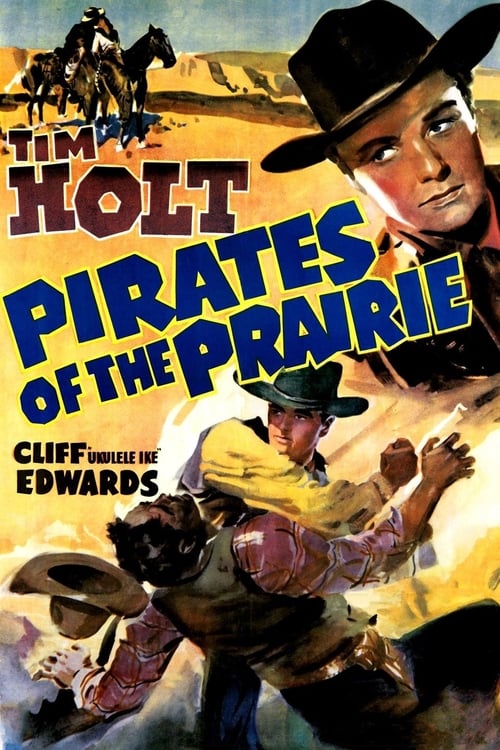
In one of his better early Westerns, Tim Holt, as Deputy Marshal Larry Durant, is sent to Spencerville where a gang of vigilantes has been terrorizing the citizenry. Going undercover as a gunsmith, Larry quickly learns that the leader of the vigilantes, John Spencer (John Elliott), is an honest man who only seeks to establish law and order. The real brains behind the crimes, meanwhile, are revealed to be Spencer's brother-in-law, Lou Harmon (Roy Barcroft), and his chief henchman, Leighton (Charles King), who speculate in the coming of the railroad by forcing the townspeople to relinquish their land.
1942
1943
1942
1944
1941
1948
1949
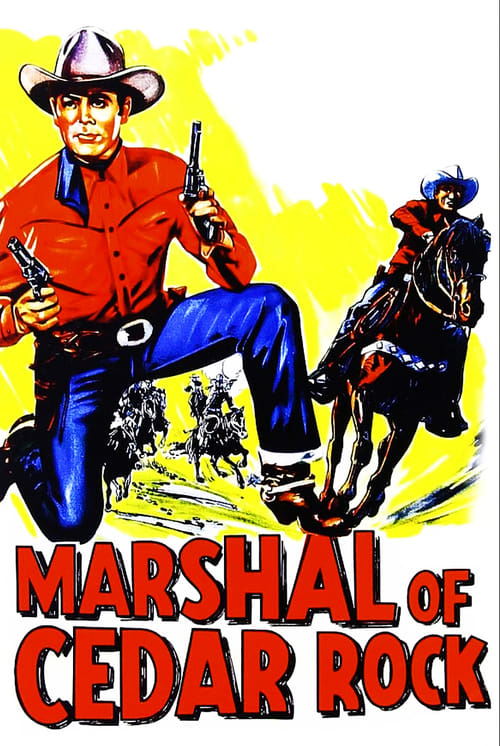
1953
No reviews yet. Be the first to share your thoughts on this movie!
Use the rating form above to leave a star rating and optional review.