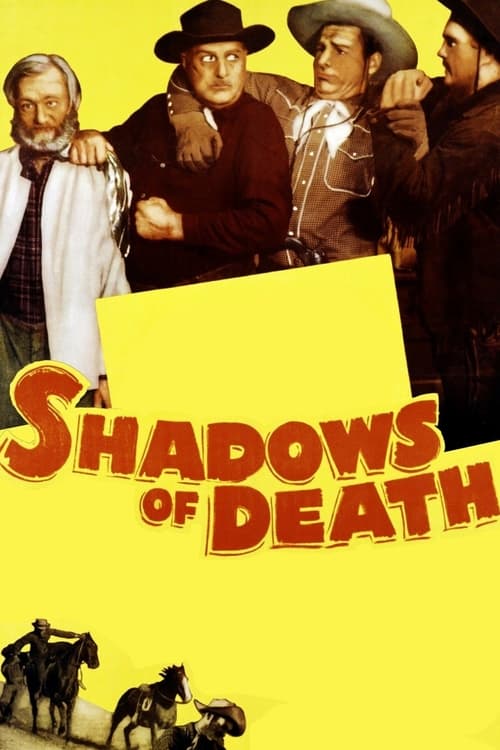
Shadows of Death
1945
No user ratings available yet
Representation score: 1.8 out of 10
Representation Score
Minimal
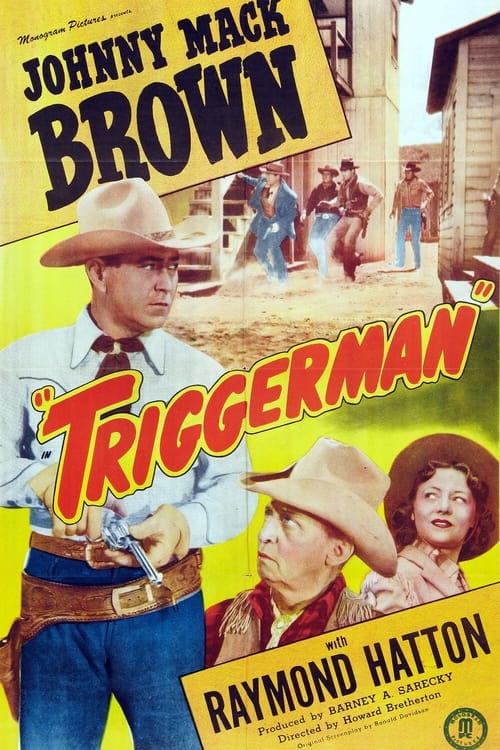
1948
ApprovedDirector
Howard Bretherton
Runtime
56 minutes
Average Rating
No ratings yetNew Showbiz Analysis
Triggerman is a quintessential mid-century B-Western that adheres to the standardized narrative structures of its era. It relies on clear moral dichotomies and traditional genre clichés rather than attempting to subvert social hierarchies. The film reinforces established social and gender hierarchies through its character dynamics. While it provides a baseline for conventional Western storytelling, it lacks the multi-layered complexity found in more progressive works. Ultimately, the production serves as a reflection of 1948 social expectations, focusing on individualist heroism and the protection of ranching institutions.
Category Breakdown
The film follows a strictly straight-centered framework. There are no indications of non-cisgender identities.
Lois Benton possesses economic power as a ranch owner, but she primarily serves as a catalyst for the male protagonist. The narrative emphasizes the physical combat and leadership of the male leads.
The story centers on Anglo-Saxon archetypes typical of the late 1940s. It lacks diverse ethnic perspectives or a non-white majority cast.
The film reinforces traditional Western values regarding property rights and individual merit. It presents a conventional morality where justice is delivered through physical prowess.
No visible or invisible disabilities are portrayed. Characters are defined almost exclusively by their physical utility and capacity for combat.
Present on Screen
Limited or Absent
Official Synopsis
Johnny Mack (Johnny Mack Brown ) is hired by Lois Benton (Virginia Carroll) as a hand on her ranch, formerly run by Daley, who is in jail on a payroll theft charge. Despite the warning for foreman Rusty Steele (Raymond Hatton), Johnny sees real estate agent Kirby (Bill Kennedy), who wants to buy the Benton ranch. When Johnny refuses to align with Kirby, he is forced to knock out henchman Moran (Marshall Reed) in a fist fight. Rusty finds on henchman Harris (Forrest Matthews), when he is caught spying on the ranch, half a map revealing the location of the missing payroll.
1945
1944
1937
1942
1948
1944

1948
1946
No reviews yet. Be the first to share your thoughts on this movie!
Use the rating form above to leave a star rating and optional review.