
Wyoming Hurricane
1944
No user ratings available yet
Diversity score: 1.9 out of 10

1942
PassedDirector
William Berke
Runtime
58 minutes
Average Rating
No ratings yetSynopsis
Hayden enters the lawless prairie in which criminals have had free reign to manipulate the innocent settlers.
Overall Score
Minimal
Category Breakdown
LGBTQ+ Representation
The film follows traditional Western adventure structures. There are no depictions of non-cisnormative identities or same-sex intimacy, adhering to the heteronormative constraints of 1940s cinema.
Gender Representation
Gender roles follow standard hierarchies of the era. Agency and the pursuit of justice center on the male protagonist, while female characters likely occupy passive or domestic roles.
Racial & Ethnic Diversity
The production reflects the homogeneous casting norms of the 1942 studio system. It functions as a white-centric frontier narrative without significant characters of color possessing high agency.
Religious & Cultural Diversity
The plot reinforces traditional Western institutional values through the establishment of law and order. It focuses on individual justice rather than systemic critique or moral relativism.
Disability Representation
There is no evidence of characters with visible or invisible disabilities being portrayed with agency. Disability is not a central narrative component in this production.
Strengths
Areas for Improvement
AI Analysis
The Lone Prairie is a quintessential mid-century Western that reinforces traditional social and cultural hierarchies. It operates within the established socio-cultural frameworks of the 1940s, prioritizing genre tropes over the exploration of intersectional identities. The narrative focuses on individualist justice and the preservation of order in a lawless setting. This structure favors a male-centric pursuit of justice and adheres to the era's standard of white-centric frontier storytelling. Ultimately, the film lacks the intentionality required to disrupt conventional expectations regarding gender, race, or identity, serving instead as a standard example of studio-era genre filmmaking.
1944
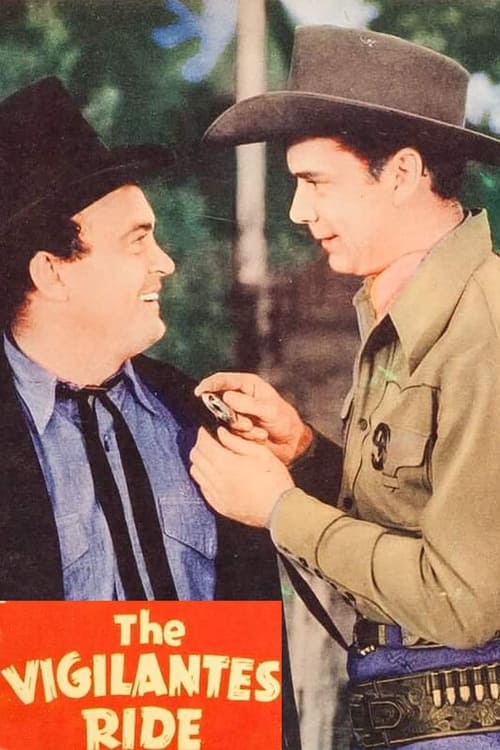
1943
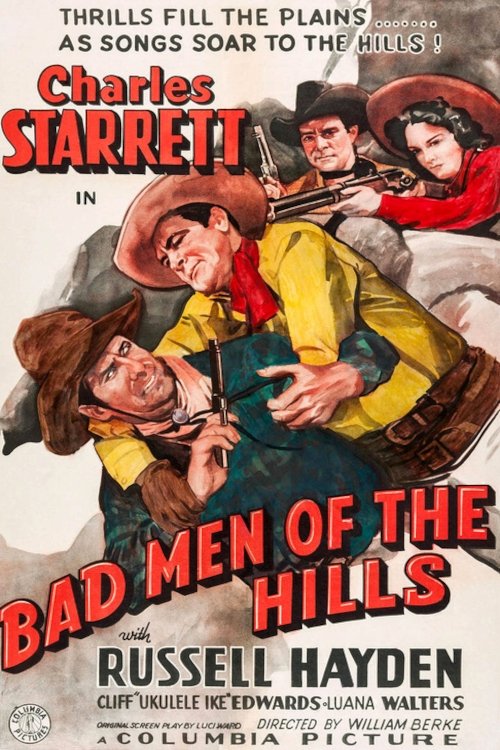
1942
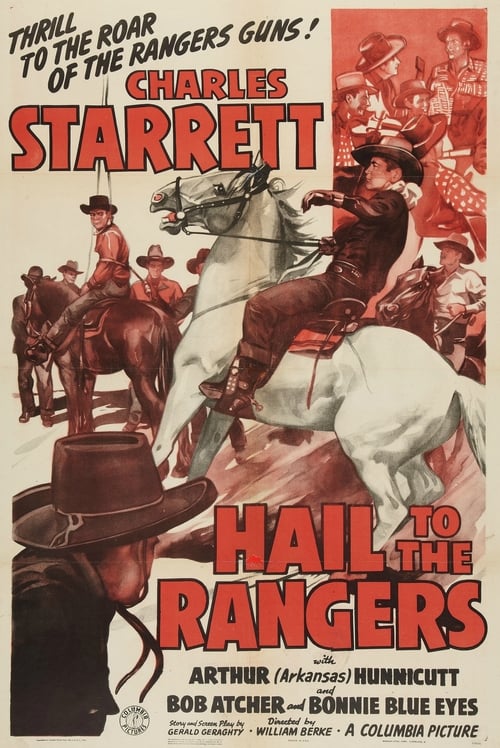
1943
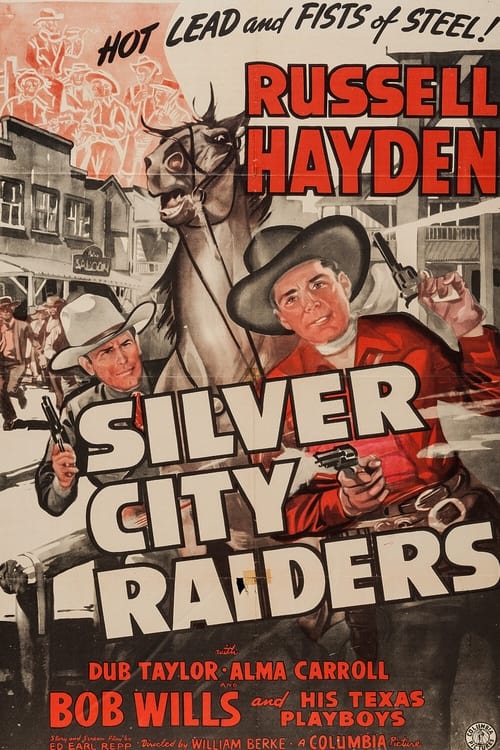
1943

1942
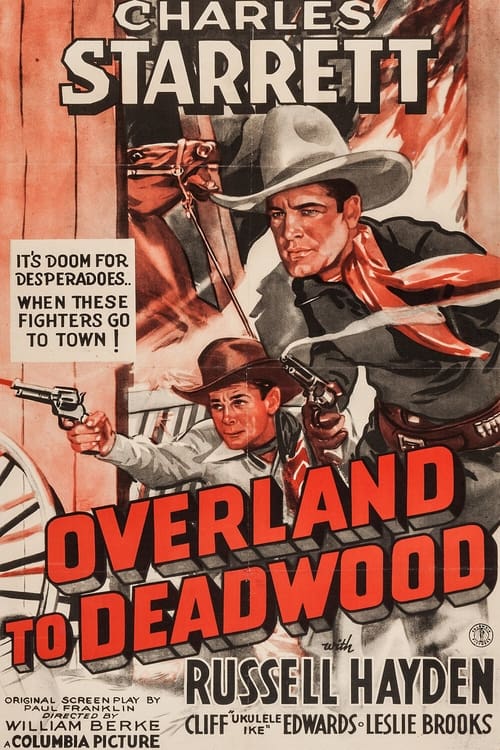
1942
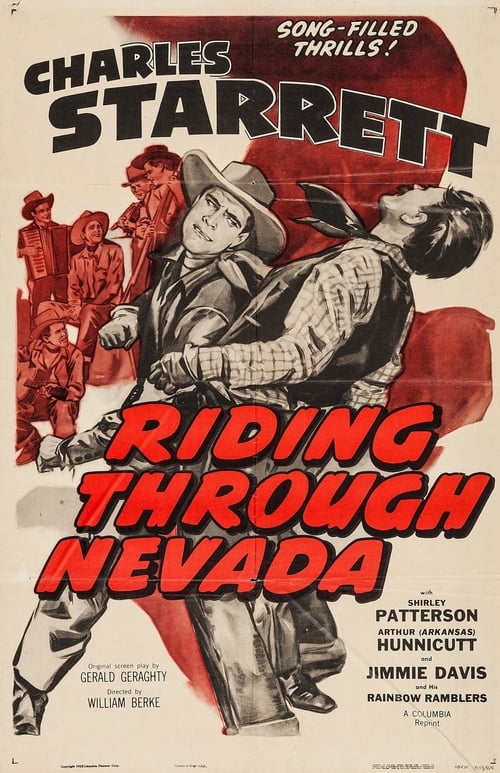
1942
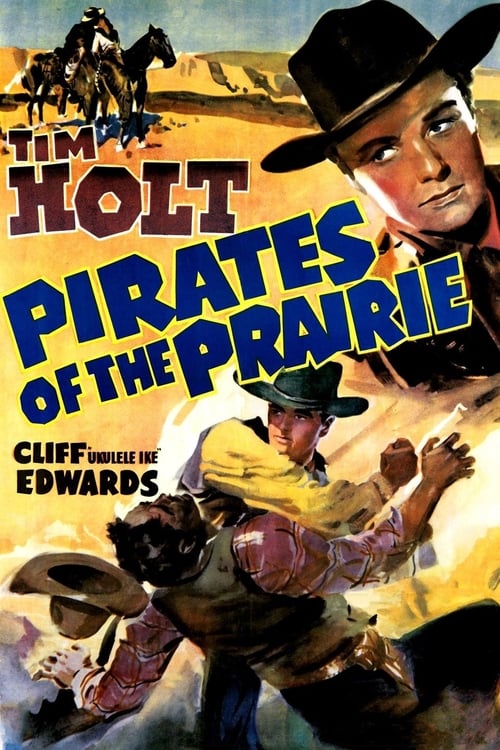
1942
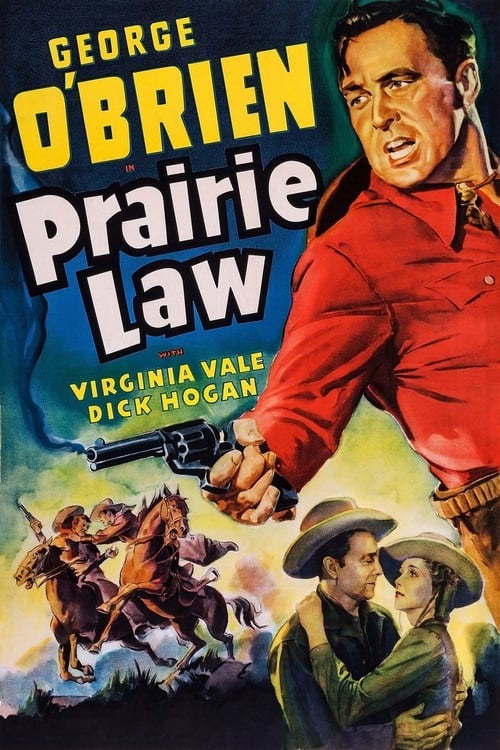
1940
1941
1947
No reviews yet. Be the first to share your thoughts on this movie!
Use the rating form above to leave a star rating and optional review.