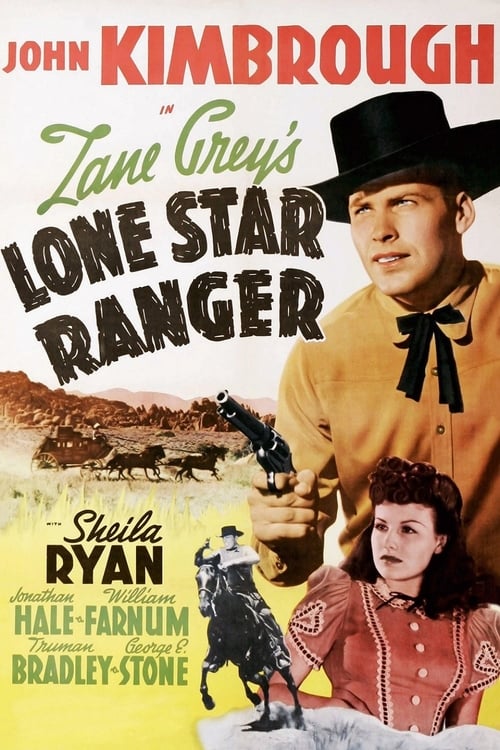
Lone Star Ranger
1942
No user ratings available yet
Representation score: 0.4 out of 10
Representation Score
Minimal
1941
ApprovedDirector
James Tinling
Runtime
54 minutes
Average Rating
No ratings yetNew Showbiz Analysis
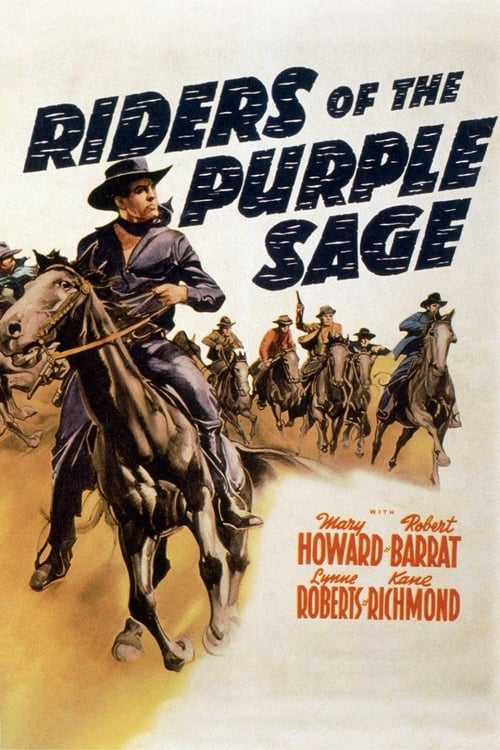
Riders of the Purple Sage is a quintessential 1941 Western that prioritizes traditional storytelling over diverse representation. The narrative adheres strictly to mid-century cinematic conventions, focusing on individualist heroism and frontier justice. The film operates within a framework of established social hierarchies, reinforcing the status quo of the era. It does not attempt to challenge systemic power dynamics or introduce diverse perspectives. Ultimately, the production serves as a period-typical artifact that maintains the cultural norms of its time through a homogeneous lens.
Category Breakdown
The film does not include any representation of LGBTQ+ identities. Character dynamics revolve around traditional romantic relationships typical of the era's genre constraints.
Men play the central roles, while women have limited influence and primarily support or react to the actions of male characters. The film emphasizes masculine leadership and the 'damsel' stereotype.
Casting and character focus remain predominantly white. There is no evidence of significant racial diversity or characters of color taking leading roles in this frontier narrative.
The story promotes a standard Western perspective centered on frontier justice. It reinforces the importance of established social and moral structures without challenging Western values.
There is no representation of visible or invisible disabilities in the character arcs. Disability is not used as a meaningful narrative element in this production.
Present on Screen
Limited or Absent
Official Synopsis
Lassiter discovers the judge who cheated his neice of her inheritance leads a gang of bad guys posing as vigilantes. This 1941 Fox production stars a young George Kennedy as Lassiter.
1942
1944
1948
1943
1949
1939
1943
1941
No reviews yet. Be the first to share your thoughts on this movie!
Use the rating form above to leave a star rating and optional review.