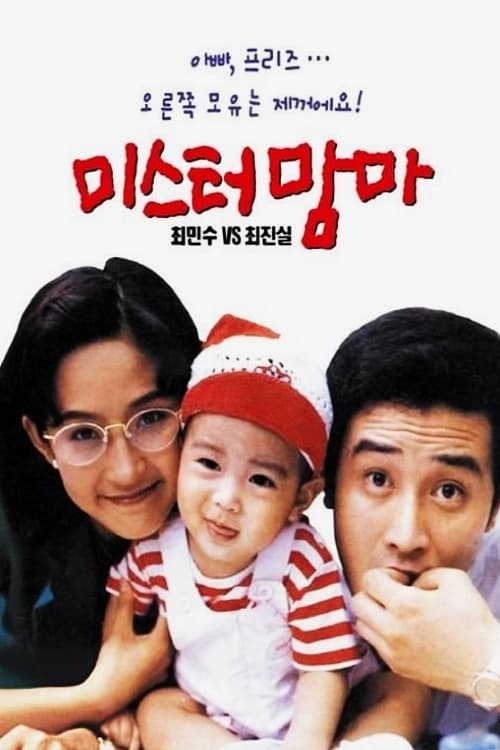
Mister Mama
1992
No user ratings available yet
Representation score: 4.2 out of 10

Representation Score
Fair
1988
Director
Park Kwang-su
Runtime
109 minutes
Average Rating
No ratings yetNew Showbiz Analysis
Chilsu and Mansu is a seminal work of the Korean New Wave that prioritizes socio-political critique over demographic variety. The film focuses intensely on the male working-class experience, limiting its representation of gender and LGBTQ+ identities. While the cast is ethnically homogenous, the film provides a profound exploration of South Korean identity and the dehumanizing effects of rapid modernization. It succeeds by centering underrepresented urban subjects against a backdrop of capitalist hegemony. Ultimately, the film's value lies in its empathetic portrayal of systemic disenfranchisement, trading broad demographic diversity for a deep, sophisticated deconstruction of power dynamics and the human cost of industrialization.
Category Breakdown
The film focuses on the socio-economic pressures on men and does not include any queer narratives or non-cisgender identities.
The narrative centers on male protagonists and lacks significant roles for women, reinforcing traditional gender hierarchies.
The cast is predominantly South Korean, focusing on national identity rather than diverse racial backgrounds.
The film effectively critiques the rapid capitalist expansion and industrialization, highlighting the societal impact on working-class individuals.
There are no characters with visible or invisible disabilities, and any references to disability are metaphorical, representing the urban environment's failure to accommodate workers.
Present on Screen
Limited or Absent
Official Synopsis
An aimless young man and his sign-painter friend draw a crowd when they climb to the top of a high-rise billboard.
1992

2016
2005
1980
1990
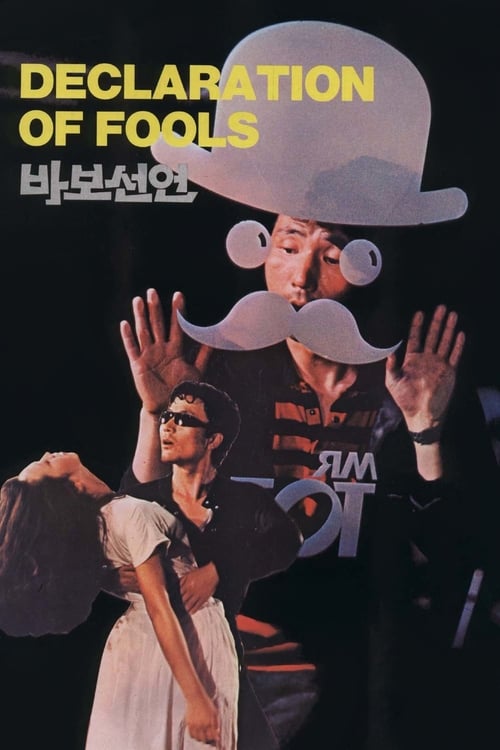
1983

2020

2018
No reviews yet. Be the first to share your thoughts on this movie!
Use the rating form above to leave a star rating and optional review.