
Keys to the Heart
2018
No user ratings available yet
Representation score: 4.3 out of 10
Representation Score
Fair
2016
PGDirector
Kwon Soo-kyung
Runtime
110 minutes
Average Rating
No ratings yetNew Showbiz Analysis
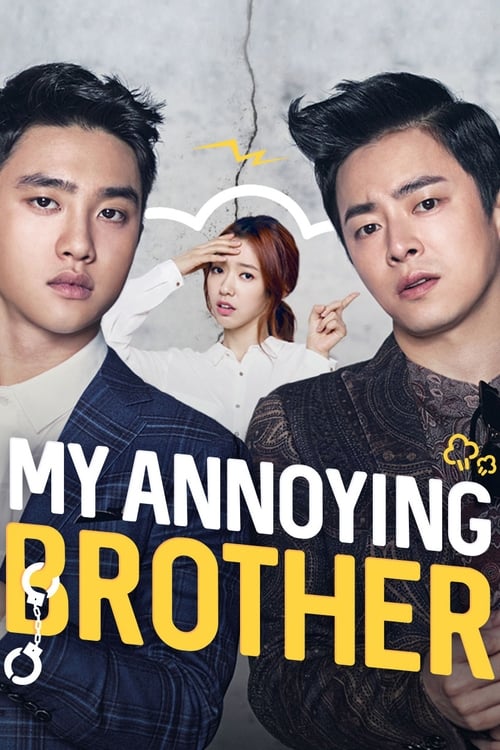
My Annoying Brother is a character-driven drama that finds its strength in its central relationship. By focusing on a character navigating vision loss, the film delves into genuine experiences and ability to act. However, the narrative remains somewhat limited in its social scope. It relies heavily on traditional masculine archetypes and a homogeneous cast, which limits its depth. While it provides a valuable non-Western perspective, it does not actively challenge broader social hierarchies. Ultimately, the film succeeds as a grounded emotional study but lacks the complexity needed to disrupt conventional dramatic clichés.
Category Breakdown
The story focuses on the fraternal bond between two men. It lacks visible queer identities or a critical look at the assumption that everyone is straight or cisgender.
The plot centers on male protagonists and traditional masculine roles. There is little evidence of challenging gender hierarchies or showing masculinity in non-traditional ways.
This South Korean production offers a non-Western perspective. However, the cast and setting appear ethnically uniform, lacking diverse representation.
The film explores familial duty and moral complexity through a swindler seeking parole. It prioritizes the restorative power of family ties over institutional stability.
A character with vision loss serves as a primary driver of the emotional arc. The film explores the character’s lived experience and ability to act rather than relying on inspirational stories.
Present on Screen
Limited or Absent
Official Synopsis
A jailed swindler leaps at the chance to earn parole in return for taking care of his estranged brother, an athlete who recently lost his sight.
2018

2013

2024

2001
2017

2009

2017
2006
No reviews yet. Be the first to share your thoughts on this movie!
Use the rating form above to leave a star rating and optional review.