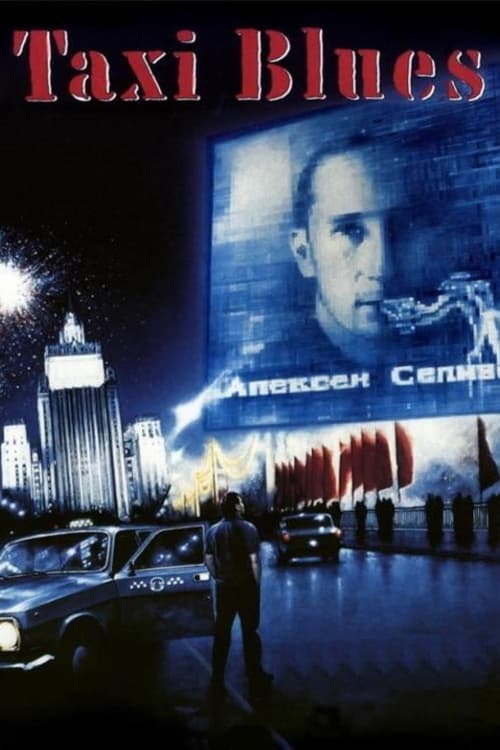
Taxi Blues
1990
No user ratings available yet
Representation score: 4.3 out of 10
Representation Score
Fair
1992
Director
Jari Halonen
Runtime
110 minutes
Average Rating
No ratings yetNew Showbiz Analysis
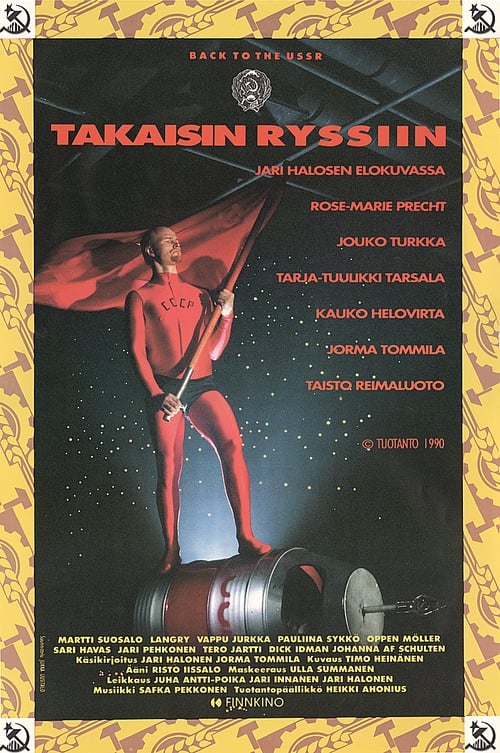
Back to the USSR is a localized social satire that prioritizes ideological critique over broad diversity. It finds its strength in challenging the political consensus of the early 1990s through a lens of moral relativism. While the film offers a unique critique of social hierarchies, it remains limited by a traditional narrative structure. Character dynamics rely heavily on established gender and ethnic stereotypes rather than exploring a wide range of identities. Ultimately, the film functions as a niche political commentary. It succeeds in disrupting social norms but lacks the diverse character ensemble needed for a higher modern diversity rating.
Category Breakdown
The film doesn't include any explicit LGBTQ+ characters or stories. The main plot revolves around a traditional marriage breakup between Reima and Molla, following a structure that assumes everyone is straight.
The story centers on a male protagonist's vulnerability after being abandoned by his wife. While it challenges the idea of stoic masculinity, the female character is defined mainly by her role in the home.
The narrative introduces a Russian character who looks like Lenin. However, the focus remains on ideological types rather than a diverse cast of characters from various ethnic backgrounds.
The film excels in political satire, critiquing post-Cold War social norms using communist affiliations to challenge Western capitalist society and traditional institutions.
The protagonist faces a mental health crisis involving thoughts of suicide. However, it's unclear whether this storyline is developed with depth or used primarily as a plot device.
Present on Screen
Limited or Absent
Official Synopsis
Reima Elo ends up trying to commit suicide when he is abandoned by his wife Molla. He is also the village's laughing stock due to his communism. At a critical moment, a Lenin lookalike from Russia named Vladimir rescues him.
1990
1988
2002
1975
2011

1990

2019
1980
No reviews yet. Be the first to share your thoughts on this movie!
Use the rating form above to leave a star rating and optional review.