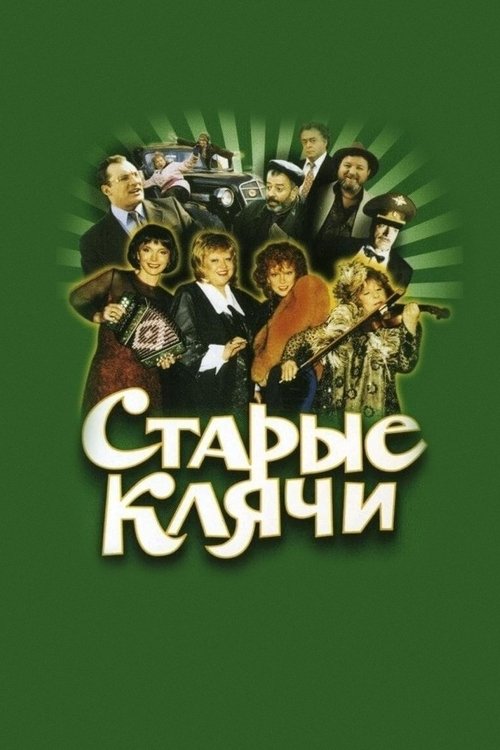
Old Hags
2000
No user ratings available yet
Representation score: 4.5 out of 10
Representation Score
Fair
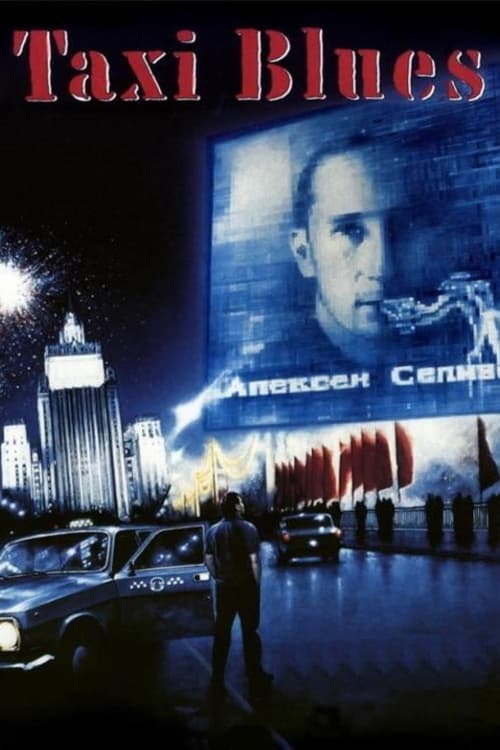
1990
Director
Pavel Lungin
Runtime
110 minutes
Average Rating
No ratings yetNew Showbiz Analysis
Taxi Blues is a film that emphasizes personal psychological landscapes over broad demographic diversity. It prioritizes the internal shifts within individuals over collective identity, which was typical of state-sponsored Soviet cinema. The film's strength lies in its cultural critique, using the tension between a traditional laborer and a bohemian musician to highlight the breakdown of old-world stability. It presents a more fluid, relativistic view of human behavior. However, the film remains limited by its narrow focus. It lacks diverse casting and representation, staying rooted in a predominantly male and ethnically homogeneous Slavic social framework.
Category Breakdown
The film focuses on a strong emotional connection between two men but does not explicitly depict their queer identity or romantic relationship. Instead, it explores social class and generational conflict.
The narrative is dominated by male characters, examining the clash between two masculine figures. Women play important roles but the story primarily revolves around men's control over the story and evolving masculine identities.
Set in Leningrad, the film portrays a predominantly Slavic environment with little racial or ethnic diversity. It focuses on internal changes within Russian identity rather than blending different ethnicities.
The film effectively breaks down Soviet social structures, using the tension between traditional duties and new individualistic lifestyles to explore the move towards postmodern ethics.
Alcoholism is shown as a trait for Alexi, but the film does not use neurodivergence or physical disabilities as central narrative drivers or tools for empowerment.
Present on Screen
Limited or Absent
Official Synopsis
Ivan is old Russia: thick, dour, hard-working, often brutish; he misses Communism. He drives a taxi and one night meets Alexi, a new Russian, a musician, an alcoholic, irresponsible. Alexi stiffs Ivan for the fare, so Ivan tracks him down and a love-hate relationship ensues. When Alexi lets the bath water run over in Ivan's flat and Ivan must pay 500 rubles for repairs, he tries to force Alexi into day labor to repay him. It's hopeless. Then, suddenly, Alexi is discovered, goes on a jazz tour of America, becomes a celebrity, and returns in triumph. Ivan longs to renew the friendship, and it looks as if he may get what he wants.
2000
1975
1992
1980

2010
1984

1983
2017
No reviews yet. Be the first to share your thoughts on this movie!
Use the rating form above to leave a star rating and optional review.