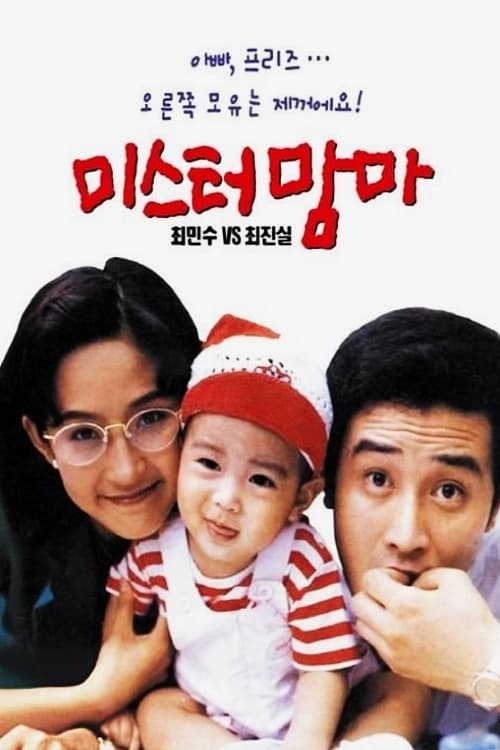
Mister Mama
1992
No user ratings available yet
Representation score: 4.2 out of 10
Representation Score
Fair
1986
Director
Lee Doo-yong
Runtime
114 minutes
Average Rating
No ratings yetNew Showbiz Analysis
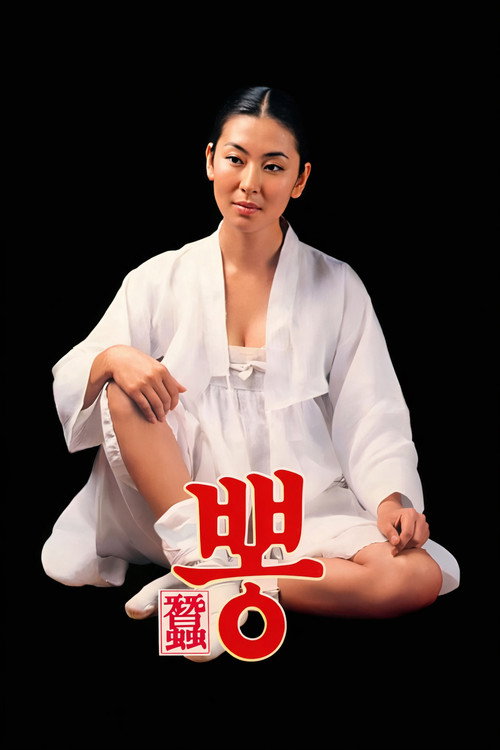
Mulberry presents a nuanced exploration of individual ability to act within a restrictive social environment. It emphasizes the survival instincts of its female protagonist over the maintenance of traditional patriarchal hierarchies. By focusing on economic hardship, the film avoids a sanitized or purely moralistic depiction of the family unit. Although the film does not incorporate modern identity-based frameworks such as LGBTQ+ or neurodivergent representation, it successfully portrays a morally complex journey of a woman navigating systemic failure. The narrative structure highlights the tension between personal ability to act and social necessity. The film's cultural significance lies in its non-Western perspective, offering a specific insight into South Korean social morality and the intricacies of human desires.
Category Breakdown
The film centers on survival and interpersonal conflicts within a straight-centered context. It does not include non-cisgender gender identities or same-sex relationships.
An-hyeob challenges the submissive wife stereotype by engaging in transactional sexual labor for survival. However, her actions are still influenced by societal consequences.
As a South Korean production, the film provides a non-Western viewpoint. The cast is ethnically uniform, reflecting East Asian social structures and domestic issues.
The narrative questions singular moralities by framing survival through necessity rather than vice. It critiques traditional household structures and examines the erosion of communal trust.
There is no indication of the portrayal of physical or neurodivergent disabilities in the film.
Present on Screen
Limited or Absent
Official Synopsis
Sam-po is a gambler living without concern for how his wife will manage their houselhold without his earning money. In order to get food and provisions, his wife An-hyeob, sleeps with various merchants in the village. One of the few men she does not sleep with, a lustful servant named Sam-dol, decides to reveal her activities to her husband for revenge.
1992
1960
1991

2002
2010
2002
1980

1972
No reviews yet. Be the first to share your thoughts on this movie!
Use the rating form above to leave a star rating and optional review.