
Miracle in Cell No. 7
2019
No user ratings available yet
Representation score: 6.3 out of 10

Representation Score
Fair
2013
Director
Lee Hwan-kyung
Runtime
128 minutes
Average Rating
No ratings yetNew Showbiz Analysis
Miracle in Cell No. 7 centers around a protagonist with an intellectual disability, portraying him with empathy rather than mockery. His vulnerability highlights systemic corruption and the fallibility of state institutions. However, the film adheres to traditional gender hierarchies, where male characters dominate and female characters play reactive roles. This reinforces conventional masculinity. While the film is culturally authentic to its South Korean setting, it lacks LGBTQ+ visibility and ethnic diversity, maintaining a homogeneous social structure.
Category Breakdown
The film does not include any LGBTQ+ characters and does not explore non-traditional gender identities. Relationships focus on heterosexual family structures and male friendships.
The story is primarily driven by male characters, emphasizing paternal bonds and inmate brotherhood. Female characters are mostly reactive to the male protagonists.
Given its South Korean setting, the cast is culturally uniform. The film stays true to its local context without using actors of different ethnicities.
The story sharply criticizes corrupt institutional frameworks and legal systems. Social outcasts are portrayed as the true moral compass against state oppression.
The protagonist's intellectual disability is central to his ability to act and paternal love. The film uses his neurodivergence to critique judicial failures regarding the cognitively impaired.
Present on Screen
Limited or Absent
Official Synopsis
A story about a mentally ill man wrongfully imprisoned for murder and his relationship with his 6 year old daughter.
2019

2016
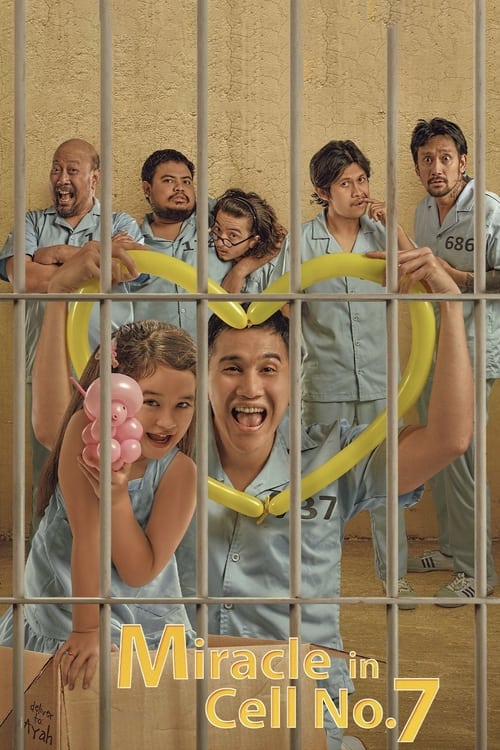
2022
2016

2019

2017

2020

2019
No reviews yet. Be the first to share your thoughts on this movie!
Use the rating form above to leave a star rating and optional review.