
Daddy Longlegs
2010
No user ratings available yet
Representation score: 5.9 out of 10
Representation Score
Good
2017
Not RatedDirector
Alexandr Khant
Runtime
90 minutes
Average Rating
No ratings yetNew Showbiz Analysis
This realist social drama deconstructs the sanctity of the traditional family. By highlighting systemic failures and domestic dysfunction, it provides a gritty critique of social stability and parental authority. However, the film lacks diversity in its portrayal of identity. It does not offer much in terms of racial, ethnic, or LGBTQ+ representation, focusing instead on a localized, homogeneous setting. Ultimately, the film excels as a character study of broken lineages, using disability and socio-economic struggles to drive its narrative.
Category Breakdown
The film does not include any explicit LGBTQ+ characters or non-straight relationships. It centers on the troubled dynamics within a traditional, heterosexual family.
Viktor is shown as a man who struggles with traditional roles of provider and stability. Meanwhile, the female lead handles unexpected responsibilities and propels the story forward.
The story seems to be set in a localized, culturally specific context with a likely homogeneous cast. There is no indication of significant racial or ethnic diversity.
The film challenges traditional institutions by depicting the nuclear family as a source of frustration. It emphasizes individual survival and situational ethics over traditional respect for elders.
Disability is a central theme through the character of the disabled felon father. His physical impairment is integral to the core conflict and character development.
Present on Screen
Limited or Absent
Official Synopsis
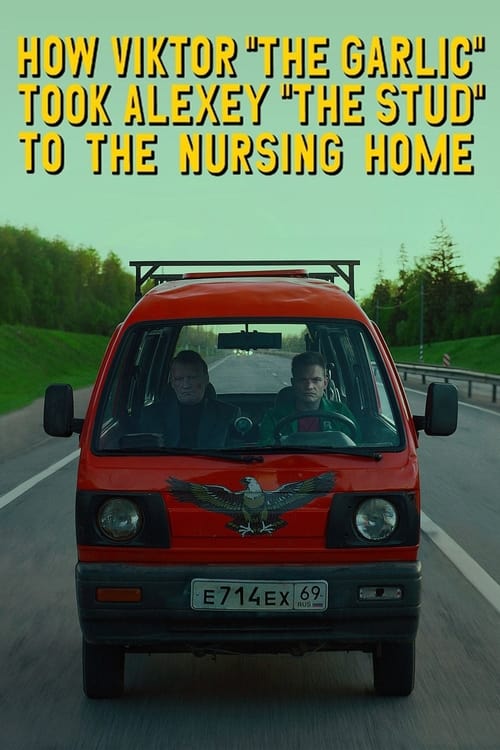
Viktor spends his free time trawling bars with ladies of questionable repute, from where he is picked up by a wife he doesn’t love, the mother of a child they never planned. Viktor himself was abandoned by his own father, his mother then committed suicide, and he was left to grow up in an orphanage. Years later, his errant dad returns, now a disabled felon, and Viktor discovers a timely legacy is in the offing – his father’s apartment. The documentation for securing dad’s move into an old people’s home is signed in a flash. Nevertheless, the only one that can take him is miles away and, what’s more, the invalid starts to recuperate during the journey, which is when their real problems begin.
2010
2009
2015

2000
2012

2016

2005
2020
No reviews yet. Be the first to share your thoughts on this movie!
Use the rating form above to leave a star rating and optional review.