The Lion Hunters
1966
No user ratings available yet
Diversity score: 6.5 out of 10
1959
Director
Jean Rouch
Runtime
70 minutes
Average Rating
No ratings yetSynopsis
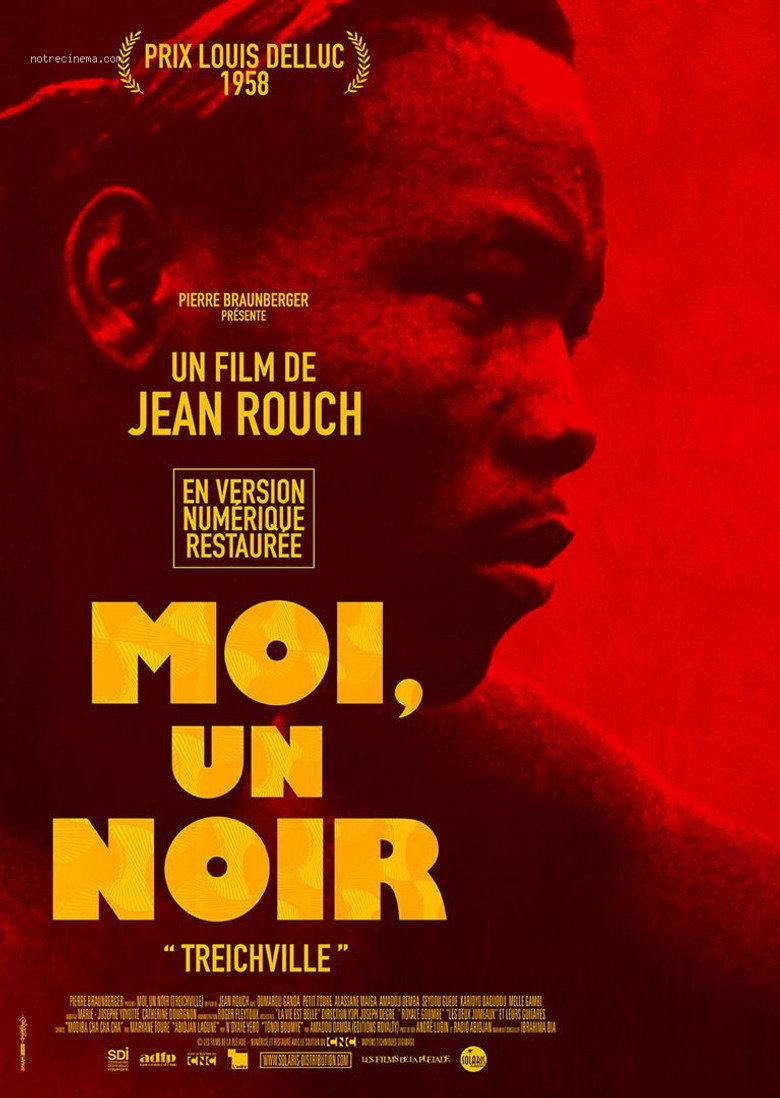
Winner of the prestigious Prix Louis Delluc in 1958, "Moi, un noir" marked Jean Rouch's break with traditional ethnography, and his embrace of the collaborative and improvisatory strategies he called "shared ethnography" and "ethnofiction". The film depicts an ordinary week in the lives of men and women from Niger who have migrated to Abidjan, Côte d'Ivoire for work.
Overall Score
Good
Category Breakdown
LGBTQ+ Representation
The film centers on the social rituals and communal structures of the Bété people. There is no discernible presence of LGBTQ+ narratives or non-cisnormative identities within the traditional social hierarchies shown.
Gender Representation
The documentary observes the established gendered social structures of the Bété community. It provides a nuanced look at communal roles without explicitly seeking to subvert traditional gender hierarchies.
Racial & Ethnic Diversity
This work is an exceptional example of centering non-Western identities. By focusing on Black African migrants, it disrupts Eurocentric cinematic dominance and grants subjects significant agency through shared ethnography.
Religious & Cultural Diversity
The narrative highlights the friction between indigenous norms and Western modernity. It emphasizes communal rituals and spiritual practices as a community navigates colonial influence and capitalist encroachment.
Disability Representation
The film focuses on the socioeconomic and social interactions of the Bété people. There is no specific evidence regarding the portrayal of physical or neurodivergent disabilities.
Strengths
Areas for Improvement
AI Analysis
Jean Rouch’s work represents a radical departure from traditional, detached ethnography. By employing 'shared ethnography,' the film shifts the power dynamic, allowing subjects to become active participants in their own representation rather than passive objects of a colonial gaze. The film excels in its deconstruction of Eurocentric perspectives, providing a profound look at Black African identities and the impact of Western institutions on traditional life. It serves as a vital post-colonial critique of hegemony. However, the film remains rooted in the traditional social hierarchies of the era. It does not engage with modern frameworks of gender subversion or LGBTQ+ representation, focusing instead on the existing social fabric of the community.
1966

1953
1955
2016

1959
1953
1986
1950
2013
1969
2012
1983
No reviews yet. Be the first to share your thoughts on this movie!
Use the rating form above to leave a star rating and optional review.