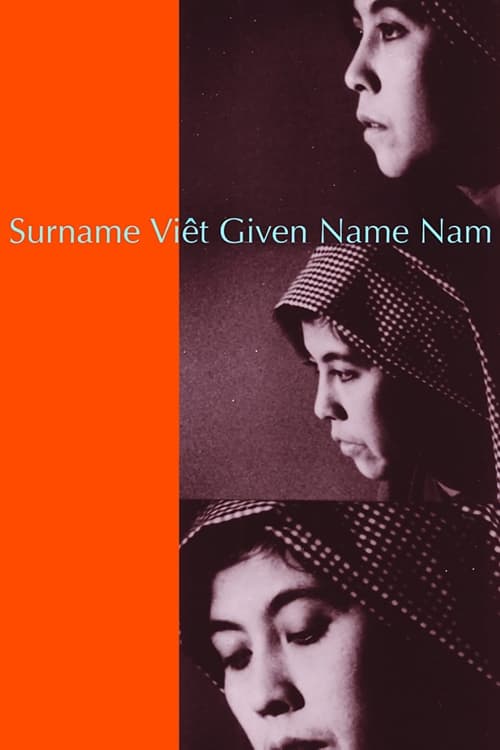
Surname Viêt Given Name Nam
1989
No user ratings available yet
Representation score: 6.6 out of 10

Representation Score
Fair
1983
Director
Trịnh T. Minh-hà
Runtime
40 minutes
Average Rating
No ratings yetNew Showbiz Analysis
Reassemblage is a profound exercise in decolonizing the ethnographic gaze. By centering the lives of rural Senegalese women, the film challenges the systemic power imbalances inherent in Western documentary traditions. The work excels in racial and cultural representation, using a poetic, non-linear structure to honor indigenous ability to act and spiritualities. However, the film's focus on communal subsistence and ritual means it lacks engagement with LGBTQ+ identities or disability-focused narratives.
Category Breakdown
The film focuses on communal rituals and subsistence-based daily life in rural Senegal. It does not include explicit depictions of non-straight or non-cisgender identities.
The narrative centers the lived experiences and labor of women, giving them significant roles in driving the story. It challenges the traditional male perspective by prioritizing women's viewpoints.
This work provides exceptional representation by centering a non-Western, non-Anglo-Saxon majority. It uses a decolonized approach to avoid the objectification of indigenous cultures by Western filmmakers.
The film prioritizes indigenous spiritualities and local belief systems over Western moral frameworks. It highlights subsistence-based lifestyles that exist outside of Western consumerist structures.
There are no specific depictions of visible or invisible disabilities that serve as central narrative drivers in this ethnographic study.
Present on Screen
Limited or Absent
Official Synopsis
A complex visual study of the women of rural Senegal. Through a complicity of interaction between film and spectator, Reassemblage reflects on documentary filmmaking and the ethnographic representation of cultures.
1989

1983

1959

2023

1994
2000
2001

2017
No reviews yet. Be the first to share your thoughts on this movie!
Use the rating form above to leave a star rating and optional review.