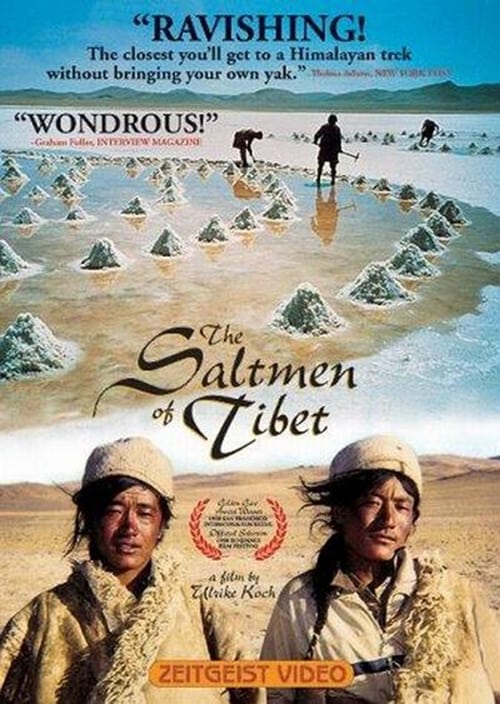
The Saltmen of Tibet
1997
No user ratings available yet
Representation score: 3.5 out of 10
Representation Score
Fair
2013
Director
Farida Pacha
Runtime
92 minutes
Average Rating
No ratings yetNew Showbiz Analysis
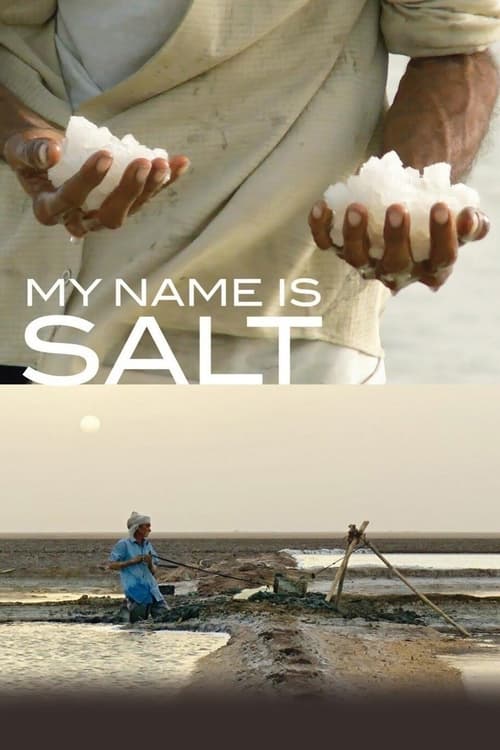
My Name Is Salt is a significant piece of ethnographic cinema that disrupts conventional global storytelling. By centering the manual labor and seasonal rhythms of salt farmers in India, the film avoids Western-centric pitfalls. The documentary provides a platform for a community defined by its relationship to the land rather than global markets. It frames traditional, non-industrialized lifestyles as complex, self-sustaining systems. While the film excels in racial and cultural representation, it lacks specific focus on LGBTQ+ or disability narratives, resulting in a moderate overall score.
Category Breakdown
The film focuses on the seasonal salt-extraction cycles of families in Gujarat. There is no evidence regarding the depiction of LGBTQ+ identities or narratives.
The narrative centers on communal and domestic structures within salt-farming families. It offers a nuanced look at domesticity and labor rhythms that avoid Western-centric gender clichés.
The documentary centers a non-Western, non-Anglo-Saxon majority cast. It provides ability to act to a community in Gujarat that is often rendered invisible in global media.
The film highlights traditional ways of life that exist in tension with modern industrialization. It portrays survival and tradition that resist fast-paced, consumerist Western values.
There is no specific information regarding the portrayal of physical or neurodivergent disabilities within the film's narrative.
Present on Screen
Limited or Absent
Official Synopsis
Year after year, just after the monsoon season has finished, thousands of families travel to a bleak desert in Gujerat, India, where they will stay for an endless eight months and extract salt from the earth, using the same painstaking, manual techniques as generations before them. Director Farida Pacha spent a season with one of these families, observing the very particular rhythms of their lives.
1997

2013
2015

2000
2012

2004
2011

2010
No reviews yet. Be the first to share your thoughts on this movie!
Use the rating form above to leave a star rating and optional review.