The Lion Hunters
1966
No user ratings available yet
Diversity score: 6.5 out of 10
1953
Director
Jean Rouch
Runtime
19 minutes
Average Rating
No ratings yetSynopsis
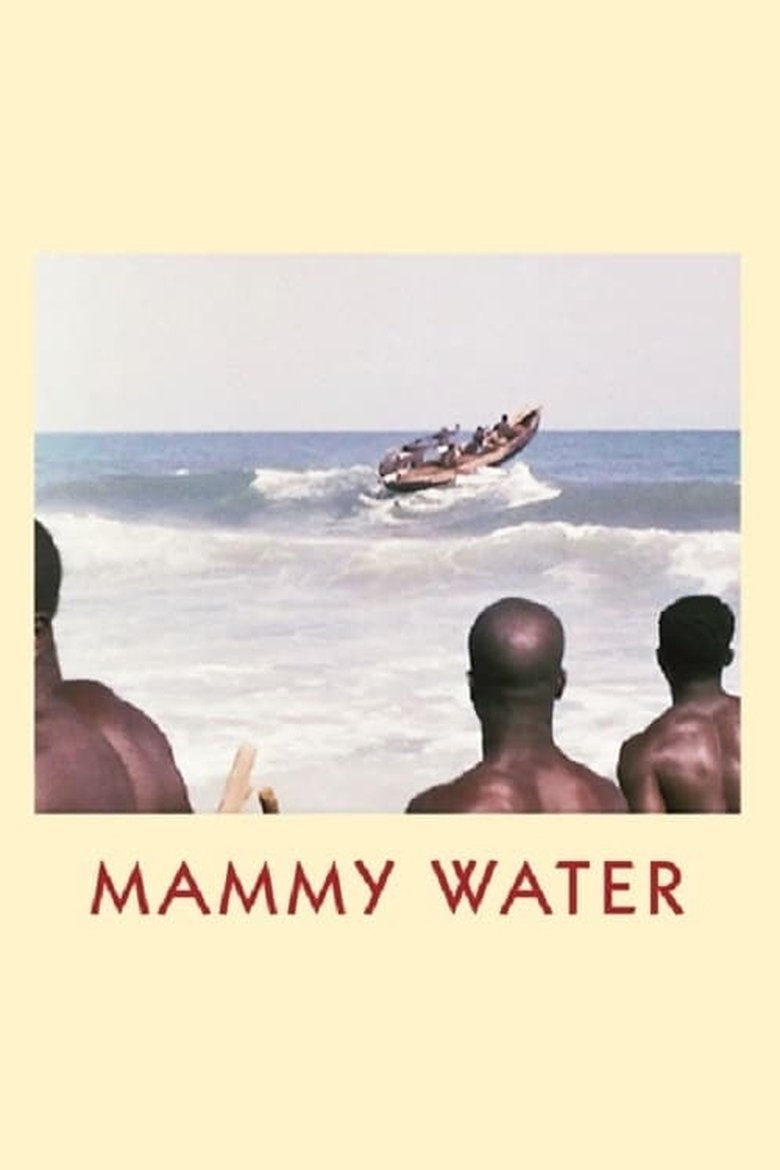
"Mammy Water" is mother sea, source of food. Jean Rouch filmed this short documentary in the Gulf of Guinea, in Ghana, where is held a colorful festival, the Chama, in which the participants offer cassava, gin and tobacco to the spirits of water and sacrifice a white ox to thank them and express their gratitude and respect.
Overall Score
Good
Category Breakdown
LGBTQ+ Representation
The film focuses on communal religious rituals rather than individual identity politics. There is no evidence of LGBTQ+ characters or narratives within the ethnographic record.
Gender Representation
Women occupy central, high-agency roles within the spiritual and performative aspects of the ceremony. Ritualistic dances highlight female participation as a cornerstone of communal cohesion.
Racial & Ethnic Diversity
The film offers near-total immersion in West African indigenous life, specifically focusing on the Fon people. It avoids the white gaze by centering the narrative entirely on non-Western subjects.
Religious & Cultural Diversity
The documentary explores non-Western spiritual frameworks, specifically animism and the veneration of Mammy Water. It prioritizes indigenous religious structures over Western or Christian moralities.
Disability Representation
The film does not explicitly focus on characters with visible or invisible disabilities. The narrative remains centered on the collective ritualistic performance.
Strengths
Areas for Improvement
AI Analysis
Jean Rouch utilizes a participatory ethnographic approach that disrupts the traditional colonial gaze. By treating indigenous rituals as authoritative social realities rather than mere curiosities, the film grants the community agency over their own cultural expression. The work succeeds in presenting a sophisticated, non-Western spiritual hierarchy. It avoids centering Western perspectives, instead offering a profound look at the relationship between humanity and nature through the lens of spiritual reciprocity. While the film excels in racial and cultural immersion, it lacks depth regarding individual identity politics or specific gendered power dynamics due to its focus on communal ritual.
1966
1959
1955

2021
2013
1983

2025

1989
1993

1959
1986
1980
No reviews yet. Be the first to share your thoughts on this movie!
Use the rating form above to leave a star rating and optional review.