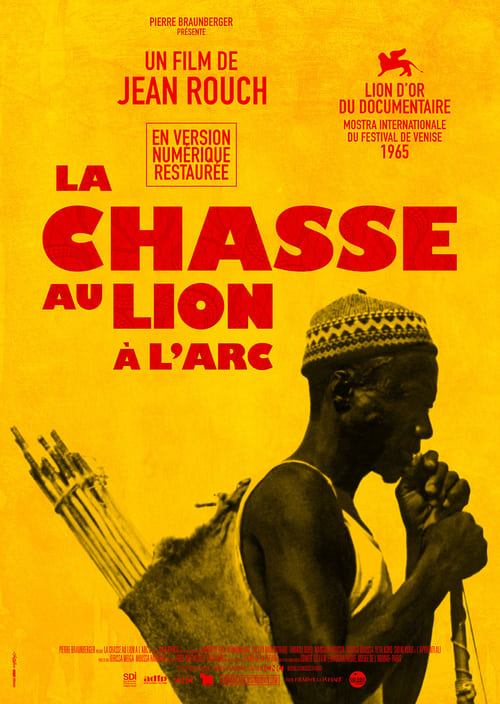
The Lion Hunters
1966
No user ratings available yet
Diversity score: 6.5 out of 10
1955
Director
Jean Rouch
Runtime
28 minutes
Average Rating
No ratings yetSynopsis
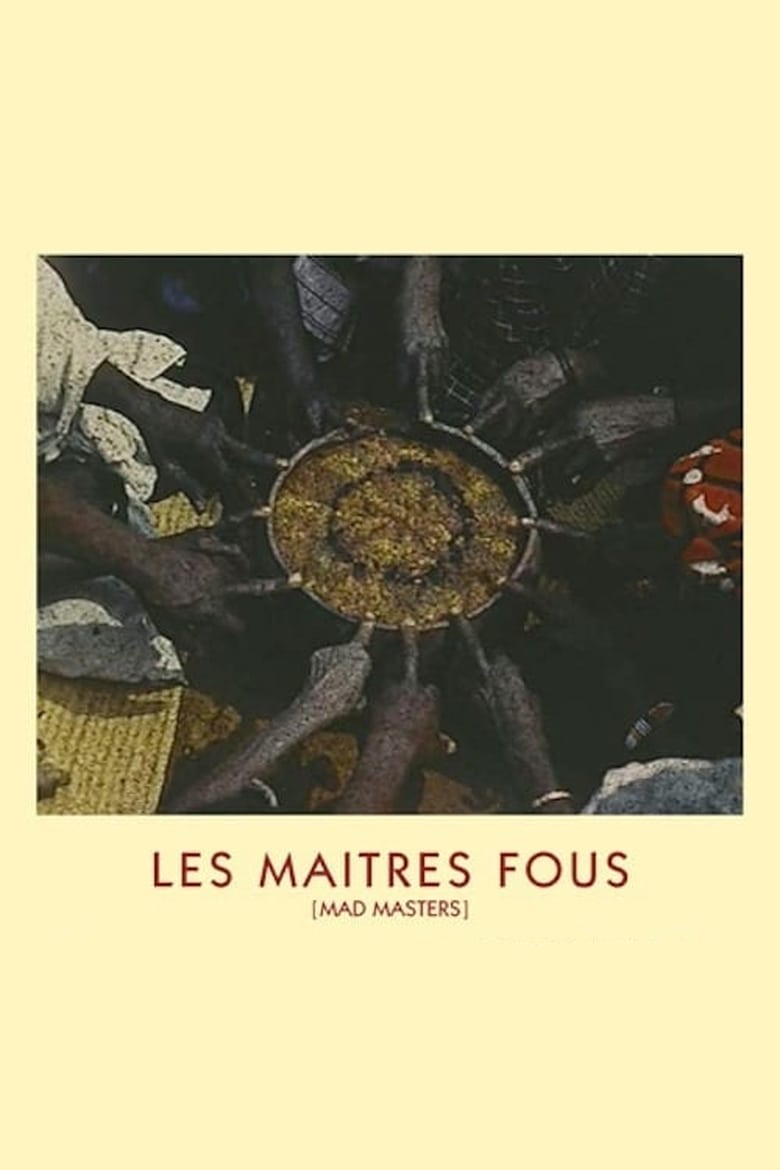
The subject of the film was the Hauka movement. The Hauka movement consisted of mimicry and dancing to become possessed by French Colonial administrators. The participants performed the same elaborate military ceremonies of their colonial occupiers, but in more of a trance than true recreation.
Overall Score
Good
Category Breakdown
LGBTQ+ Representation
The film lacks explicit depictions of LGBTQ+ identities or non-cisnormative gender expressions. The focus remains on ritualistic possession and colonial mimicry rather than interpersonal romantic dynamics.
Gender Representation
The narrative centers on the performance of colonial authority, which is traditionally masculine-coded. However, the film deconstructs this power by portraying these 'masters' through trance and mimicry.
Racial & Ethnic Diversity
The film excels by shifting focus from the colonial occupier to the colonized subject. Participants use mimicry as a tool of psychological resistance and spiritual transcendence.
Religious & Cultural Diversity
This is a profound exploration of anti-colonial sentiment. It portrays French colonial administration as an object of parody and ritualistic subversion rather than a stable institution.
Disability Representation
The film focuses on ritualistic trance and possession. These altered states are presented within a spiritual context rather than as clinical disabilities or neurodivergence.
Strengths
Areas for Improvement
AI Analysis
Jean Rouch’s documentary provides a sophisticated critique of imperial structures by centering the Hauka movement. Instead of a passive ethnographic study, the film captures active agents using the colonizer's own symbols to achieve spiritual transcendence. The work succeeds in deconstructing Western authority through ritualistic parody. By focusing on the subjective reality of the participants, it subverts the traditional colonial gaze and prioritizes cultural autonomy. While the film is a powerful tool for racial and cultural agency, it offers little in the way of LGBTQ+ or gender-specific representation beyond the critique of masculine colonial roles.
1966
1959
1953
1957
2015
1963

1999
2013
1967

2026

1969
2010
No reviews yet. Be the first to share your thoughts on this movie!
Use the rating form above to leave a star rating and optional review.