
Back Street
1961
No user ratings available yet
Diversity score: 2.3 out of 10
1962
NRDirector
Richard Brooks
Runtime
120 minutes
Average Rating
No ratings yetSynopsis
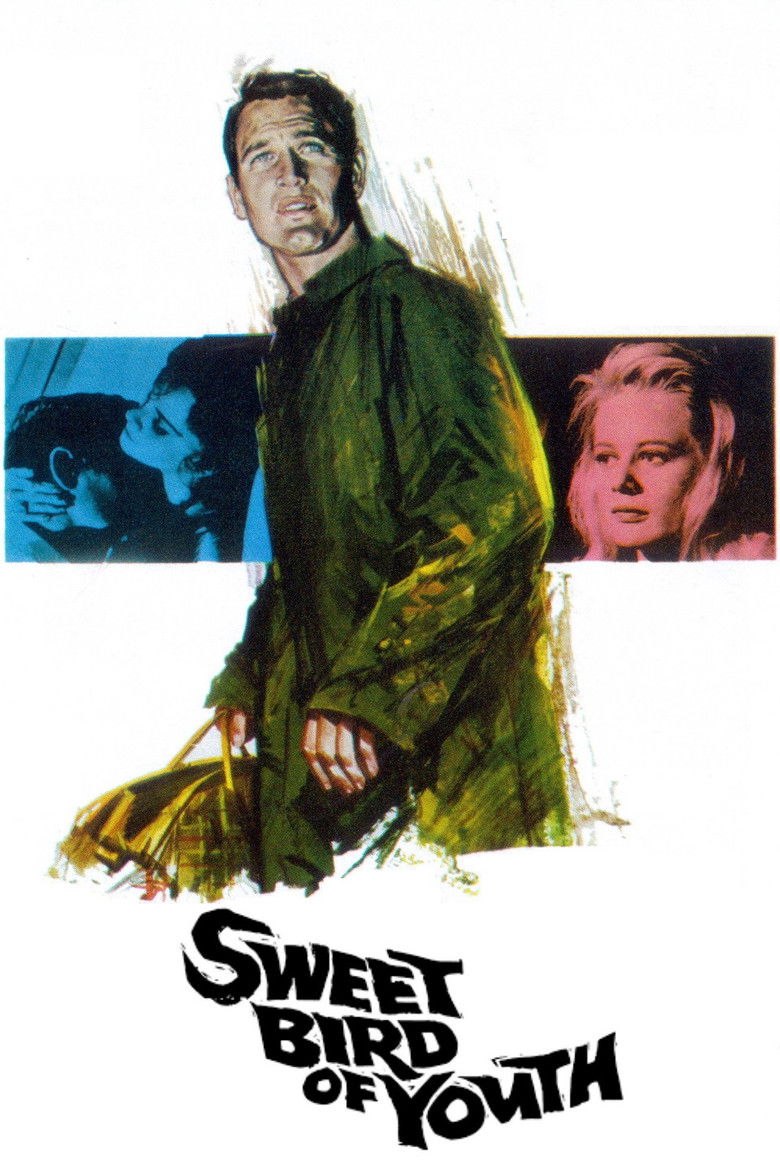
Gigolo and drifter Chance Wayne returns to his home town as the companion of a faded movie star, Alexandra Del Lago, whom he hopes to use to help him break into the movies. Chance runs into trouble when he finds his ex-girlfriend, the daughter of the local politician Tom "Boss" Finley, who more or less forced him to leave his daughter and the town many years ago.
Overall Score
Limited
Category Breakdown
LGBTQ+ Representation
The film focuses entirely on romantic and sexual tensions between the male protagonist and female characters. There is no presence of non-cisnormative identities or narratives that challenge heteronormativity.
Gender Representation
Women are portrayed as symbols of lost youth or objects of desire within a patriarchal structure. While characters like Alexandra Del Lago navigate the commodification of their images, they lack the agency to disrupt male-dominated hierarchies.
Racial & Ethnic Diversity
The cast and social focus are overwhelmingly homogeneous, centering on white class dynamics. The film lacks visible representation of racial or ethnic diversity, reflecting the social constraints of its mid-century Southern setting.
Religious & Cultural Diversity
The story critiques the emptiness of wealth and small-town social stagnation. However, it maintains a traditional moral framework rather than offering a systemic critique of Western institutions like religion or patriotism.
Disability Representation
The primary character arcs contain no significant depictions of visible or invisible disabilities. There is no focus on neurodivergence or chronic illness within the narrative.
Strengths
Areas for Improvement
AI Analysis
Sweet Bird of Youth is a localized character study that prioritizes psychological realism over systemic social deconstruction. It examines the decay of idealism and the toll of social class, but does so through a very narrow lens. The film is a product of its era, offering a homogeneous view of the American South. It lacks intentionality in representing intersectional identities, focusing instead on the personal disillusionment of its white, cisgender protagonists. While the film touches on the friction between individual desire and institutional rigidity, it fails to provide meaningful representation for marginalized groups, resulting in a narrative that reinforces traditional social hierarchies.
1961
1952

1959
1960

1961
1952
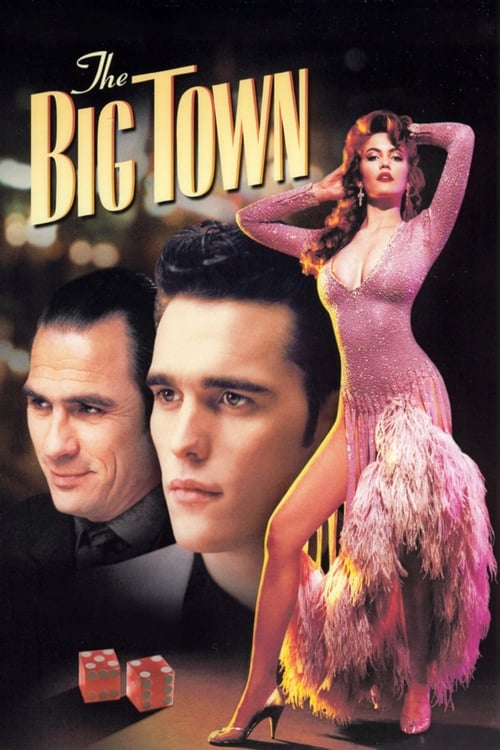
1987
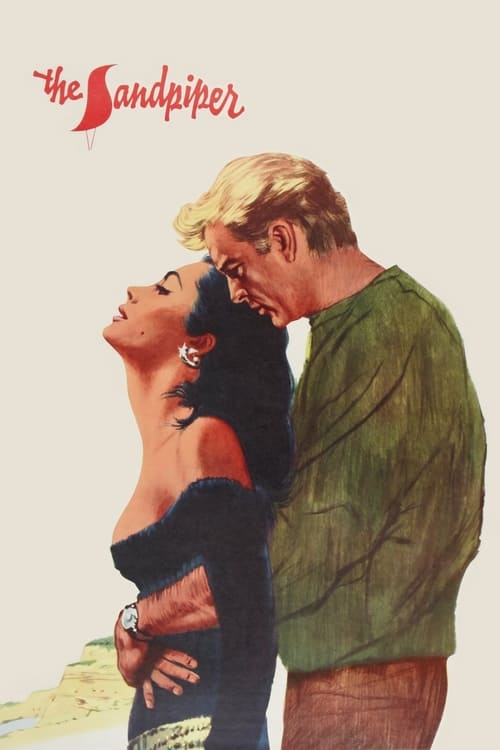
1965
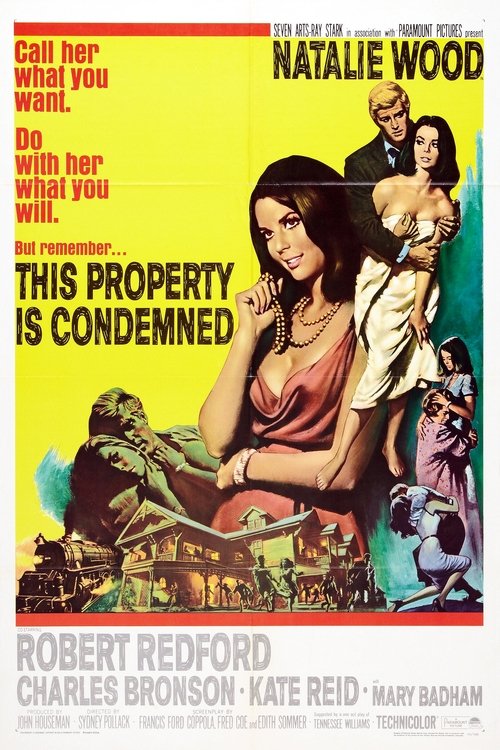
1966
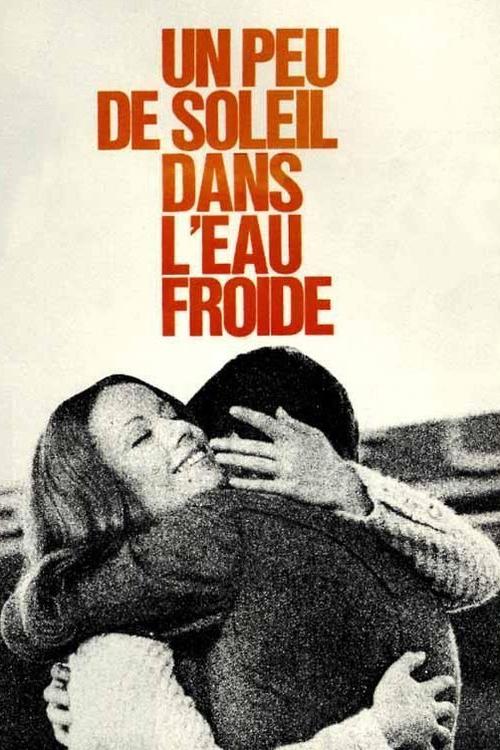
1971
1961
1959
No reviews yet. Be the first to share your thoughts on this movie!
Use the rating form above to leave a star rating and optional review.