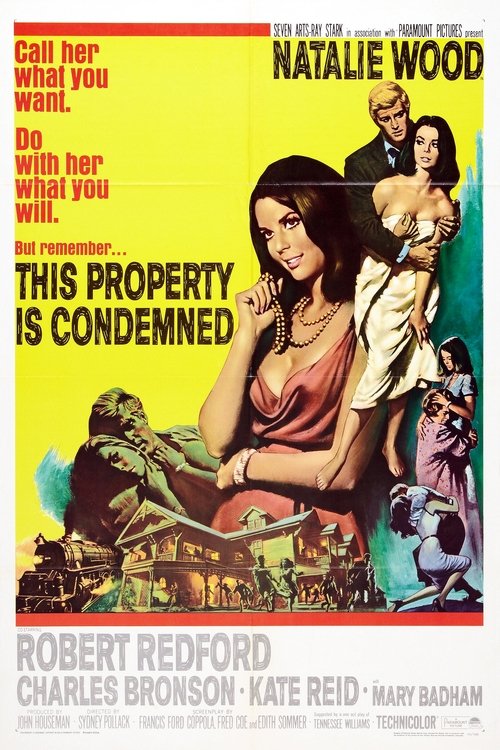
This Property Is Condemned
1966
No user ratings available yet
Representation score: 1.2 out of 10
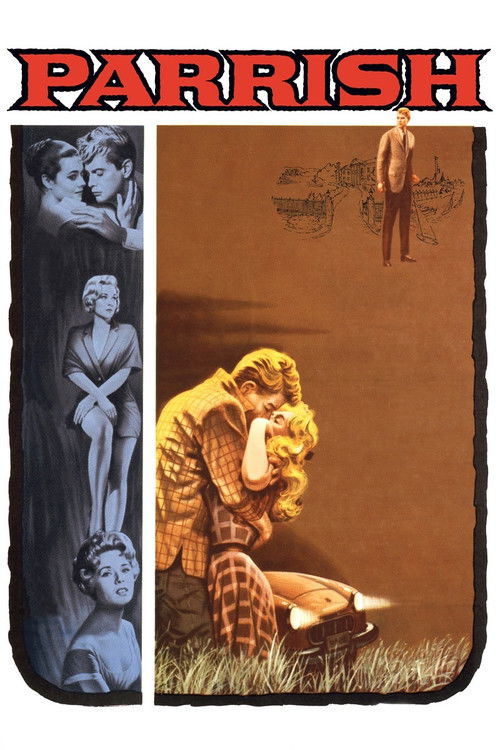
Representation Score
Minimal
1961
ApprovedDirector
Delmer Daves
Runtime
138 minutes
Average Rating
No ratings yetNew Showbiz Analysis
Parrish is a classic mid-century studio melodrama that upholds the social and cultural norms of 1961. Its narrative structure focuses on traditional romantic entanglements and economic hierarchies. While the film provides some independence to its female lead, it lacks complexity in representing diverse identities and backgrounds. The social landscape is portrayed as homogeneous, reflecting the era's standard casting practices. Overall, the work fails to offer a systemic critique or diverse representation, staying within the moral and social norms of its time.
Category Breakdown
The film does not include any LGBTQ+ identities or non-assuming gender matches what was assigned at birth characters. It operates within a framework that assumes everyone is straight and cisgender.
Female characters like Eve show independence in their romantic choices. However, the main conflicts revolve around male-dominated economic and social structures.
The cast is predominantly white and Anglo-Saxon. The narrative lacks ethnic diversity in its primary character arcs.
The story highlights land ownership and established social structures within a traditional Western context. It does not challenge these institutions.
The film does not feature any prominent depictions of physical or neurodivergent disabilities. Characters with disabilities are not used as narrative devices.
Present on Screen
Limited or Absent
Official Synopsis
Parrish McLean lives with his mother Ellen on Sala Post's tobacco plantation in the Connecticut River Valley. His mother winds up marrying Sala's rival Judd Raike, ruthless planter who wants to drive Sala out of business. Judd insists that Parrish learn the business from the ground up.
1966

1960
1959
1955
1959
1962
1960
1965
No reviews yet. Be the first to share your thoughts on this movie!
Use the rating form above to leave a star rating and optional review.