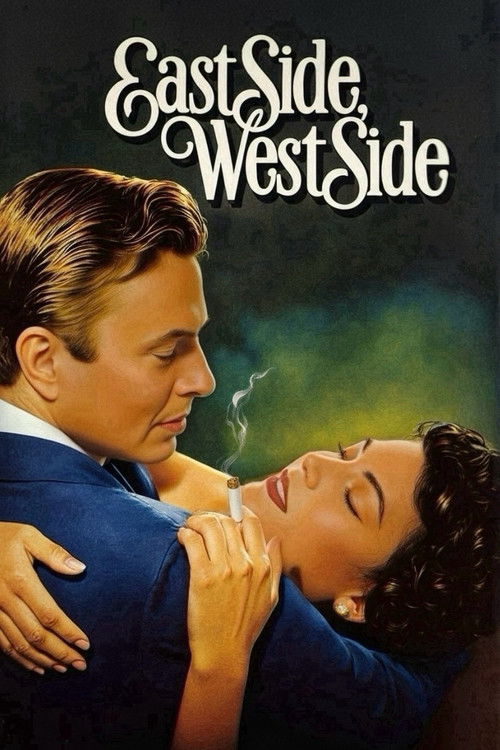
East Side, West Side
1949
No user ratings available yet
Representation score: 1.4 out of 10
Representation Score
Minimal
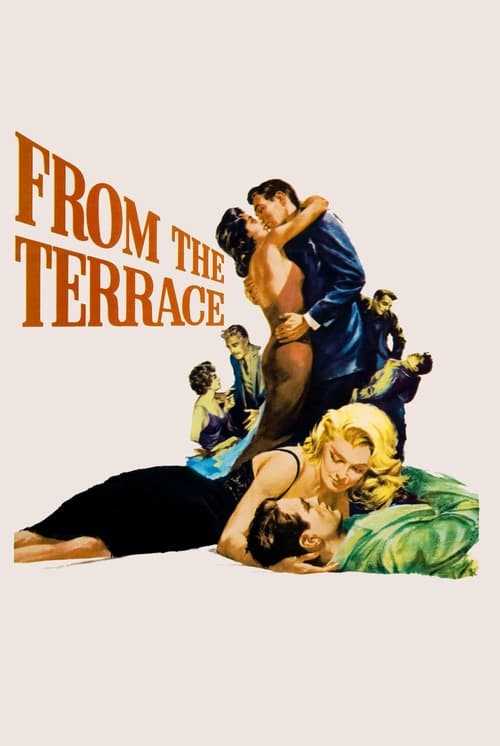
1960
ApprovedDirector
Mark Robson
Runtime
149 minutes
Average Rating
No ratings yetNew Showbiz Analysis
From the Terrace is a mid-century melodrama that emphasizes class-based conflict and individual morality over diverse representation. The story delves into the psychological complexities of New York's high society, focusing on a man's rise through the financial world. The film reflects the homogeneity of its time, presenting a narrow view of wealth and social standing. It does not address racial, ethnic, or LGBTQ+ diversity, instead reinforcing the social norms of 1960s Manhattan. While it examines the breakdown of traditional family structures, it does so through the lens of personal pathology, maintaining a conventional narrative structure.
Category Breakdown
The film focuses on traditional heterosexual relationships and does not include any LGBTQ+ identities or subtext. Conflicts center around conventional marital dynamics.
While the film explores marital instability and infidelity, female characters often fall into clichés like the unfaithful wife or younger lover. Their roles are often limited to supporting the male protagonist’s ambitions.
The cast is predominantly white, reflecting the era's homogeneous social landscape. It portrays a wealthy, Anglo-Saxon community without much racial or ethnic diversity.
The story centers on personal moral failures within a capitalist system, treating corruption as a personal issue rather than a broader societal critique.
The film does not portray any visible or invisible disabilities. Characters are defined by their socioeconomic status and psychological traits, rather than physical or neurodivergent conditions.
Present on Screen
Limited or Absent
Official Synopsis
Alfred Eaton, an ambitious young executive, climbs to the top of New York's financial world as his marriage crumbles. At the brink of attaining his career goals, he is forced to choose between business success, married to the beautiful, but unfaithful Mary and starting over with his true love, the much younger Natalie.
1949
1952

1961
1962

1947
1964
1954
1958
No reviews yet. Be the first to share your thoughts on this movie!
Use the rating form above to leave a star rating and optional review.