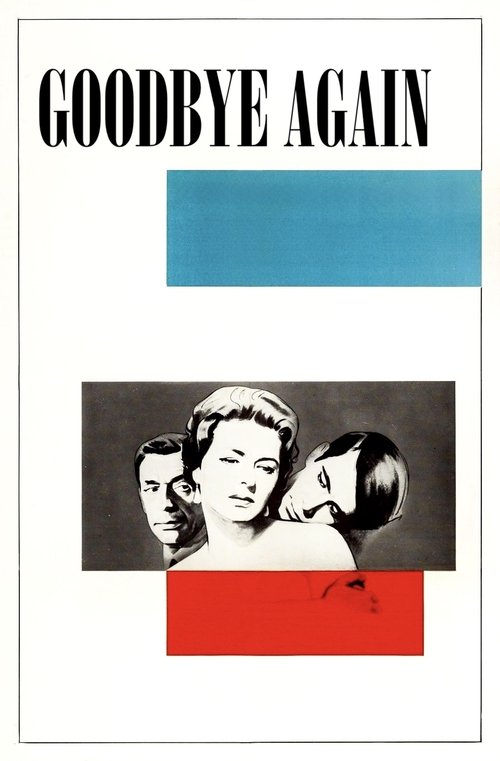
Goodbye Again
1961
No user ratings available yet
Representation score: 2.5 out of 10

Representation Score
Minimal
1959
ApprovedDirector
Delbert Mann
Runtime
118 minutes
Average Rating
No ratings yetNew Showbiz Analysis
Middle of the Night is a period-specific psychological drama set in 1959. The film explores the tension of an age-gap romance but remains rooted in the patriarchal structures of its era. The narrative lacks characters who reflect more than one aspect of diversity, focusing instead on the personal psychological struggles of a white, upper-class protagonist. While it challenges the 'romantic hero' cliché by framing the male lead's pursuit as intrusive, it does not address broader systemic hierarchies. Ultimately, the film functions as a character study of obsession rather than a work that engages with diverse identities or social reform.
Category Breakdown
The film focuses solely on a heterosexual romance and does not depict any non-binary gender identities or challenge the assumption that everyone is straight.
Betty demonstrates her ability to drive the story through her reluctance towards Jerry's advances. However, the narrative is largely shaped by the male protagonist's psychological fixation.
The cast is predominantly white, reflecting the demographic homogeneity of mid-century high society. There is no meaningful engagement with racial or ethnic diversity.
The story centers on personal morality and traditional family dynamics within a Western context. It does not engage with systemic or institutional critiques.
No visible or invisible disabilities are portrayed. The protagonist's intense psychological state does not offer a nuanced depiction of mental health.
Present on Screen
Limited or Absent
Official Synopsis
Jerry Kingsley is a wealthy garment manufacturer left lonely in his 50s when his wife dies. Despite the difference in their ages, he strikes up a romance with divorced 24-year-old receptionist Betty. The relationship is dismissed by his daughter, Lillian, discouraged by his sister, Evelyn, and denounced by Betty's mother. But when Jerry begins to mention marriage, even Betty is forced to confront her ambivalence.
1961

1960
1961

1955
1981

1961
1970
1965
No reviews yet. Be the first to share your thoughts on this movie!
Use the rating form above to leave a star rating and optional review.