
Heartbeat
1968
No user ratings available yet
Representation score: 4.8 out of 10
Representation Score
Limited
1971
Director
Jacques Deray
Runtime
110 minutes
Average Rating
No ratings yetNew Showbiz Analysis
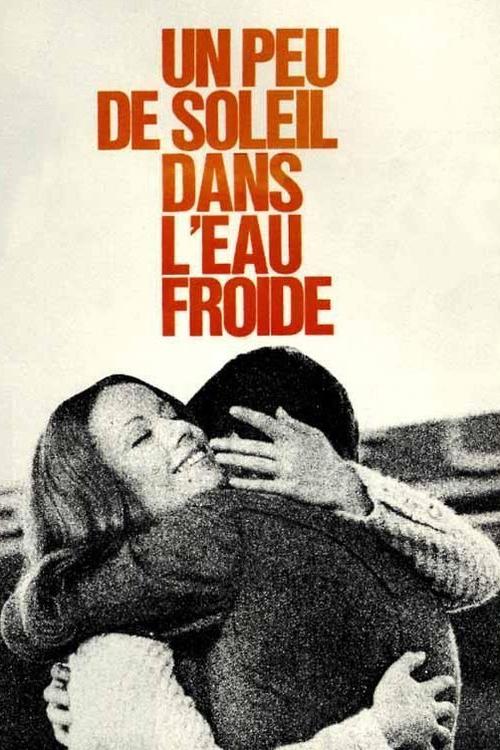
A Little Sun in Cold Water operates as a standard mid-century European romantic drama. It centers on the emotional shifts of a bourgeois protagonist rather than engaging with broader social or systemic issues. The film's narrative structure relies on established social norms of the 1970s. While it offers some character's ability to drive the story through its female lead, it does not actively deconstruct gender hierarchies or provide characters who reflect more than one aspect of diversity. Ultimately, the work functions as an individualistic character study. It lacks the diversity of cast, identity-based storytelling, or institutional critique necessary to move beyond a conventional genre framework.
Category Breakdown
The film follows a traditional romantic storyline between a male protagonist and two women. There are no representations of same-sex relationships or non-cisgender identities.
Nathalie exercises significant control over her life by rejecting marriage and choosing her own disappearance. However, the film largely adheres to conventional romantic drama structures and power dynamics.
The setting suggests a homogeneous social environment typical of 1971 French bourgeois society. There are no characters from diverse racial or ethnic backgrounds with high ability to act.
The story focuses on individual passion and bourgeois social settings. It prioritizes personal romantic truth over communal, religious, or anti-institutional critiques.
Gilles' nervous breakdown serves primarily as a plot catalyst for character instability. The film lacks a nuanced exploration of neurodivergent identity or mental health.
Present on Screen
Limited or Absent
Official Synopsis
Gilles Lantier, a young reporter on the AFP newspaper, is suffering from a nervous breakdown. Realising that neither his friend Jean nor his girlfriend Eloïse can help him, he decides to stay with his sister Odile, who lives near Limoges. At a party one evening he meets a wealthy bourgeois woman named Nathalie Sylvener. It is love at first sight, and on his return to Paris, Gilles tells Eloïse that he is now devotedly attached to another woman. Although Nathalie agrees to live with him in Paris, she rejects Gilles' offer of marriage. It is not long before the couple have settled into a routine and their passion begins to cool. Then Nathalie suddenly disappears from Gilles' life...
1968

1964

1966

1971

1965
1962
1972

1978
No reviews yet. Be the first to share your thoughts on this movie!
Use the rating form above to leave a star rating and optional review.