
Parrish
1961
No user ratings available yet
Representation score: 0.8 out of 10

Representation Score
Minimal
1959
NRDirector
Delmer Daves
Runtime
130 minutes
Average Rating
No ratings yetNew Showbiz Analysis
A Summer Place is a classic mid-century melodrama that prioritizes romantic sentimentality over social upheaval. The narrative structure supports, rather than challenges, the social hierarchies and traditional gender roles of the late 1950s. The film presents a uniform, Anglo-centric world that lacks diverse representation. By focusing on the tension between personal desires and societal norms, the story reinforces conventional social structures.
Category Breakdown
The film does not include any LGBTQ+ characters or non-cisgender identities. The romantic storyline focuses solely on traditional relationships.
The female lead has significant influence over the story but her actions are tied to her romantic appeal. The film fails the Bechdel test, as conversations center around male-female relationships.
The cast is primarily white, reflecting the casting practices of the time. There are no characters of color included.
The story emphasizes mid-century Western social norms in a coastal setting. It upholds traditional community standards without critiquing established institutions.
No visible or invisible disabilities are shown. Characters are depicted within a typical range of physical and neurotypical abilities.
Present on Screen
Limited or Absent
Official Synopsis
A self-made businessman rekindles a romance with a former flame while their two teenage children begin a romance of their own with drastic consequences for both couples.
1961

1962

1957

1953

1970

1961

1959
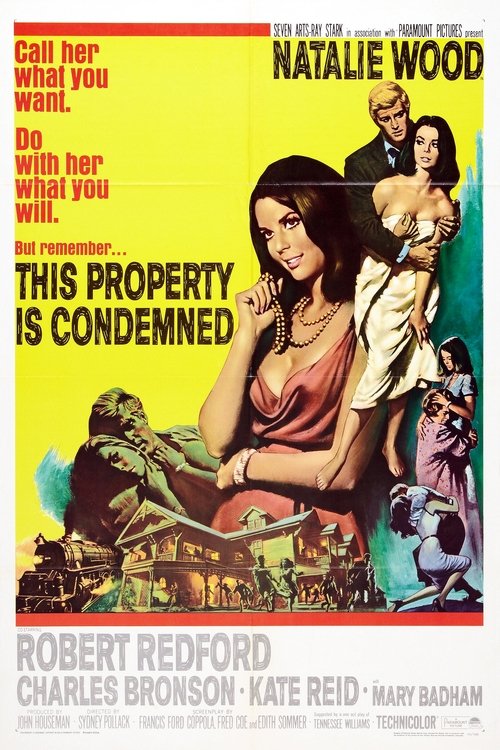
1966
No reviews yet. Be the first to share your thoughts on this movie!
Use the rating form above to leave a star rating and optional review.