Pasteur
1922
No user ratings available yet
Representation score: 1.5 out of 10
Representation Score
Limited
1936
NRDirector
William Dieterle
Runtime
86 minutes
Average Rating
No ratings yetNew Showbiz Analysis
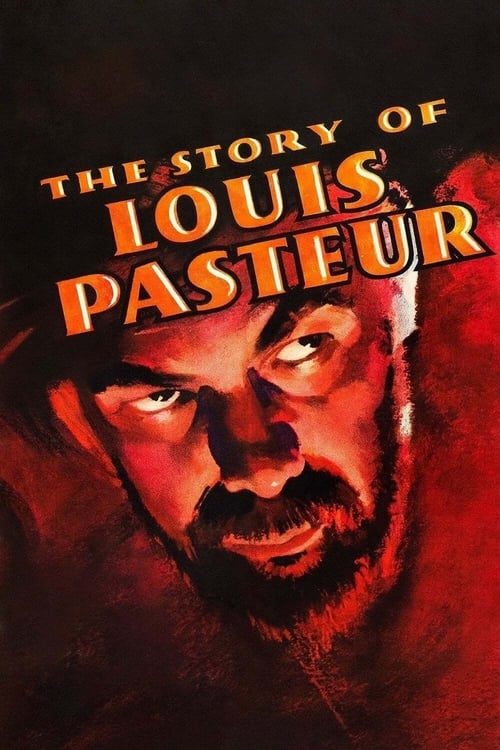
This traditional biographical drama mirrors the social and cinematic norms of the 1930s. It relies on historical realism, reinforcing rigid societal hierarchies. While the film lacks complexity in its portrayal of diverse identities, it provides a meaningful critique of institutional authority. By highlighting the pursuit of scientific truth, it challenges the dominance of established religious and medical doctrines. Ultimately, the film prioritizes a Eurocentric, male-driven scientific legacy, offering limited representation for women, diverse ethnicities, or the disabled community.
Category Breakdown
The film strictly adheres to the social norms of 1936, focusing on traditional family structures and scientific pursuits without any hints of LGBTQ themes.
Gender roles are reinforced through a domestic setting where Marie Pasteur supports her husband, while the central conflicts revolve around male intellectual competition.
The cast is entirely European, reflecting the 19th-century French society. The narrative remains traditionally Eurocentric without any significant racial diversity.
The film highlights the tension between empirical science and institutional dogma. It emphasizes secular progress by portraying Pasteur's work as a victory of reason over religious traditions.
The narrative centers on the biological aspects of disease without delving into the lived experiences of those with disabilities. It does not give ability to act to disabled characters or explore neurodivergence.
Present on Screen
Limited or Absent
Official Synopsis
A true story about Louis Pasteur, who revolutionized medicine by proving that much disease is caused by microbes, that sanitation is paramount and that at least some diseases can be cured by vaccinations.
1922
2017
1940
1972
1939

1937
1940
2009
No reviews yet. Be the first to share your thoughts on this movie!
Use the rating form above to leave a star rating and optional review.