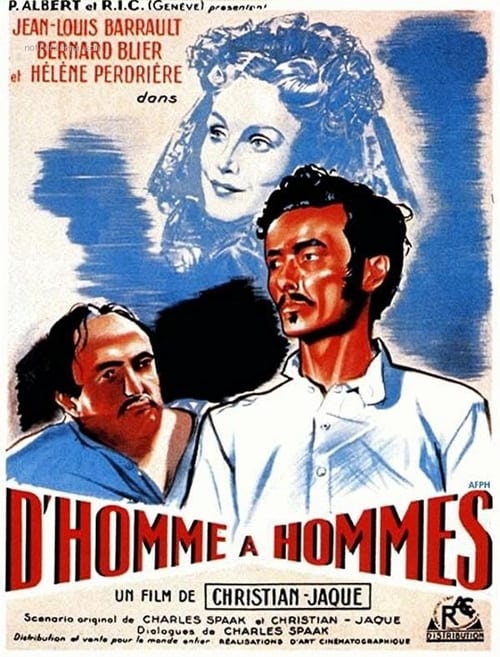
Man to Men
1948
No user ratings available yet
Representation score: 4.5 out of 10
Representation Score
Minimal
1940
ApprovedDirector
Jean Negulesco
Runtime
19 minutes
Average Rating
No ratings yetNew Showbiz Analysis
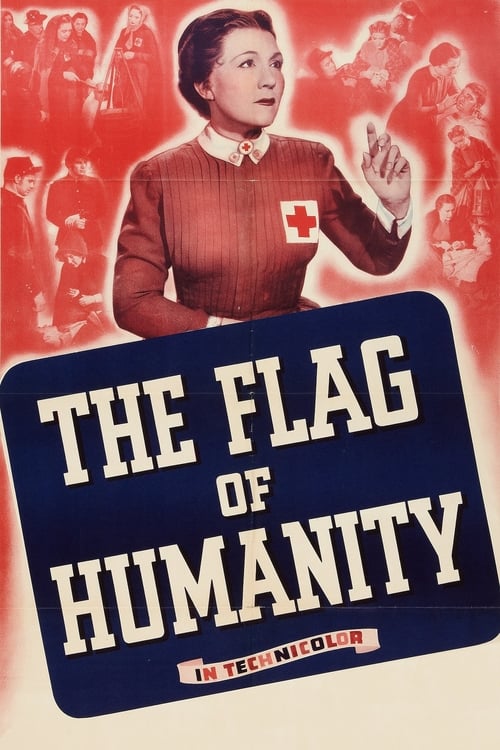
The Flag of Humanity is a traditional biographical drama centered on the founding of the American Red Cross. While it presents a strong portrayal of female leadership through Clara Barton, the film remains largely anchored to the social and cultural conventions of its 1940 release. The narrative successfully showcases a woman as the primary driver of a major national institution. However, this focus on individual heroism does not extend to broader critiques of systemic gender or racial hierarchies. Ultimately, the film operates as a period piece that upholds mid-20th-century institutional norms. It prioritizes nationalistic and humanitarian themes over a diverse or subversive exploration of identity.
Category Breakdown
The film does not include any non-straight identities and follows the social norms typical of a 1940s production.
Clara Barton is portrayed as a powerful female leader who exercises authority in a traditionally male-dominated field. Her role challenges traditional gender hierarchies, even though the film focuses on her individual achievements.
The narrative likely reflects the homogeneous society of the early 20th century. There is no indication of diverse casting or perspectives outside Anglo-Saxon backgrounds.
The story emphasizes traditional Western values such as patriotism and humanitarianism. It promotes civic duty and institutional stability without challenging Western cultural frameworks.
There is no documented information regarding the portrayal of physical or neurodivergent disabilities in this film.
Present on Screen
Limited or Absent
Official Synopsis
The story of how Clara Barton helped found the American Red Cross.
1948
2009
1944

2020

1947

1939

1943

1937
No reviews yet. Be the first to share your thoughts on this movie!
Use the rating form above to leave a star rating and optional review.