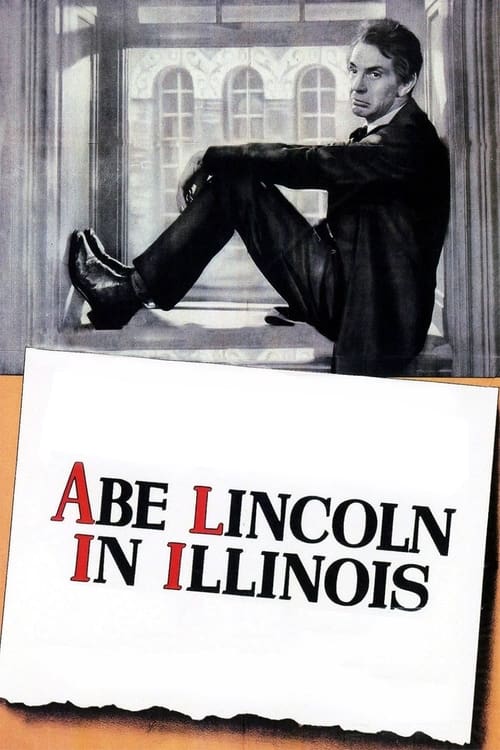
Abe Lincoln in Illinois
1940
No user ratings available yet
Representation score: 1.1 out of 10
Representation Score
Minimal
1939
ApprovedDirector
William C. McGann
Runtime
21 minutes
Average Rating
No ratings yetNew Showbiz Analysis
This biographical short functions as a traditional historical document, prioritizing the preservation of institutional continuity and national unity. It centers on the actions of established political figures, which naturally limits the scope of diverse perspectives. The film operates within the social and cinematic constraints of 1939, reinforcing existing hierarchies of gender and race. While it addresses the abolition of slavery, it does so through the lens of white institutional authority rather than individual Black ability to act. Ultimately, the work emphasizes constitutional duty and the stability of the state. It lacks storytelling that reflects multiple aspects of identity, focusing instead on the high-level political maneuvers of the presidency.
Category Breakdown
The film focuses entirely on 19th-century political and domestic life. It contains no depictions of non-straight relationships or gender non-conformity.
Narrative power is concentrated in male political leaders. Mary Todd Lincoln appears, but her role is limited to the domestic sphere without significant political influence.
The cast is predominantly white, focusing on the political elite. African Americans are depicted as subjects of legal struggle rather than characters with independent ability to act.
The story reinforces traditional Western democratic ideals and patriotism. It frames the Civil War as a moral necessity for preserving the American Union.
There is no representation of physical, sensory, or neurodivergent disabilities within the characters or the plot.
Present on Screen
Limited or Absent
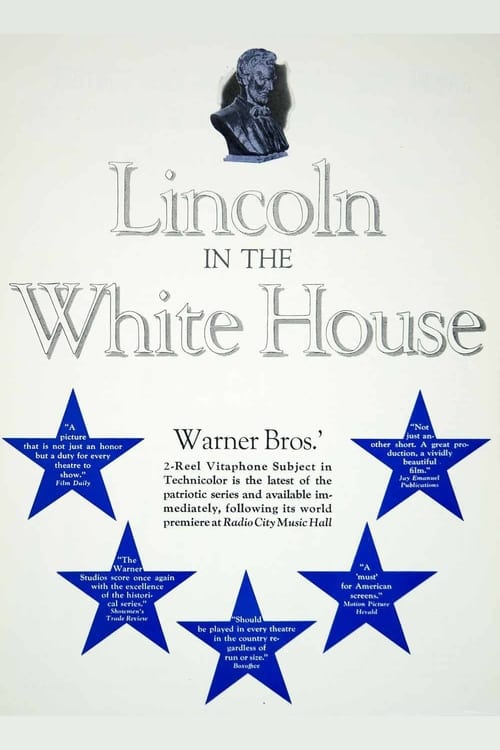
Official Synopsis
This short chronicles Abraham Lincoln's presidency from his inauguration through delivery of the Gettysburg Address.
1940

1939

1918
1951
1940

1927
1936

1963
No reviews yet. Be the first to share your thoughts on this movie!
Use the rating form above to leave a star rating and optional review.